Israel Stands Up Dedicated Military Branch for AI, Autonomous Systems, and Battlefield Robotics
The Israeli military has established a new branch dedicated to AI, drones, and robotics, signaling a structural shift in how it organizes emerging technology.

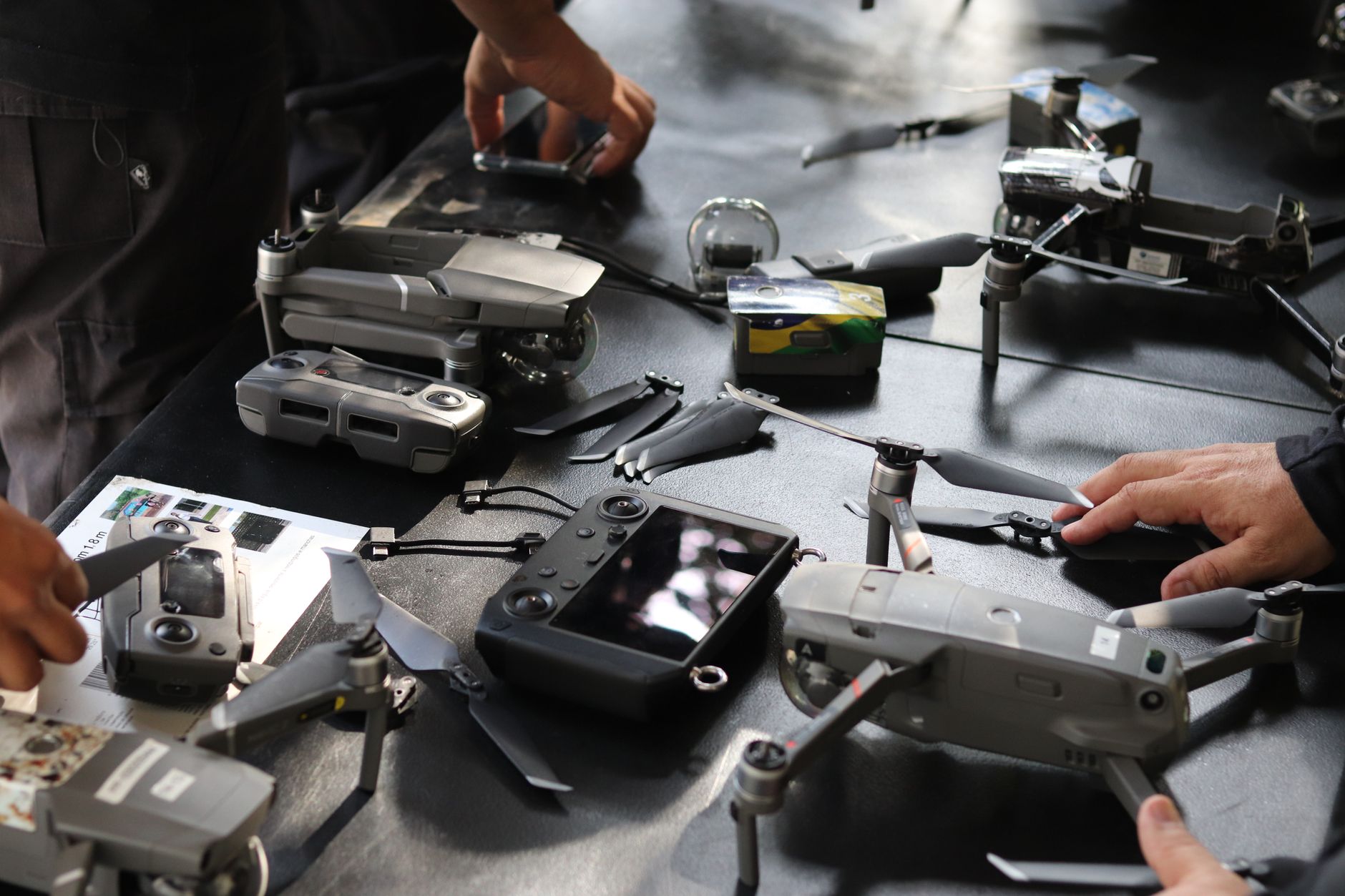
The Israel Defense Forces have established a new organizational branch dedicated exclusively to artificial intelligence, unmanned systems, and robotics — a structural move that places those technologies on equal institutional footing with traditional combat arms. The decision, Breaking Defense reported, reflects a deliberate effort to move beyond treating autonomous and AI-enabled systems as supporting tools and instead embed them into the IDF’s core organizational architecture. The development aligns with broader trends in drone warfare that have accelerated across multiple active conflict environments in recent years.
The new branch consolidates functions that had previously been distributed across different corps and commands, according to the Breaking Defense report. Rather than requiring individual units to independently develop or integrate AI and unmanned capabilities, the dedicated branch is designed to centralize doctrine, procurement coordination, and operational development under a single command structure. Officials indicated the move is intended to accelerate fielding timelines and reduce redundancy across the force.
Institutional Weight Behind the Reorganization
Creating a formal branch — rather than a program office or working group — carries significant institutional weight. In most militaries, branch-level status determines budget authority, officer career pathways, and the ability to set doctrine independently. By elevating AI, drones, and robotics to that level, the IDF is signaling that these capabilities are expected to persist and expand as a permanent feature of its force structure, not a temporary surge driven by recent operational experience.
The move also has implications for how the IDF will train and develop personnel. A dedicated branch creates an institutional home for officers and enlisted specialists who work primarily with autonomous systems, giving that community a clearer promotion path and a louder voice in resource allocation debates. Defense analysts have noted that militaries without dedicated structures for emerging technologies often struggle to retain technical talent, as career progression tends to favor officers in traditional combat or intelligence roles.
Industrial and Export Dimensions
The organizational shift carries industrial relevance beyond the IDF itself. Israel has long been a leading exporter of unmanned systems and defense electronics, and a formal military branch focused on AI and robotics would generate a sustained, structured demand signal for domestic industry. Companies operating within Israel’s defense sector — including those with expanding international footprints, such as Elbit Systems — stand to benefit from a more coherent and better-resourced institutional customer for autonomous and AI-enabled platforms.
The IDF has not publicly detailed a budget figure for the new branch or specified which existing units or program offices will be folded into it. Officials have also not confirmed a timeline for the branch reaching full operational capability, leaving some of the structural specifics still undefined in public disclosures. The Breaking Defense report did not include a named commander for the new organization, suggesting that some appointments may still be pending or have not yet been publicly announced.
What is clear is the directional intent: the IDF is betting that AI, autonomous vehicles, and robotics will be sufficiently central to future operations that they warrant the same permanent institutional infrastructure as armor, artillery, or intelligence. How quickly the new branch translates organizational standing into operational capability will likely define whether the restructuring proves more than symbolic.