Pentagon Faces Steeper Bills as F-35 Unit Costs Rise Across New Production Contracts
The latest F-35 production lots show a meaningful jump in per-unit costs, raising fresh concerns about affordability across the program.

The price tag for each F-35 Joint Strike Fighter has risen in the program’s most recent production lots, according to Breaking Defense, which reported the increase raises renewed questions about long-term affordability for the Pentagon and its international partners. The development lands as the Defense Department is already navigating constrained budgets and competing procurement priorities across all three services. Concerns about rising fighter costs parallel broader pressures in the defense-industrial base, similar to cost dynamics seen in low-cost drone programs the Air Force has been fast-tracking as a more expendable alternative.
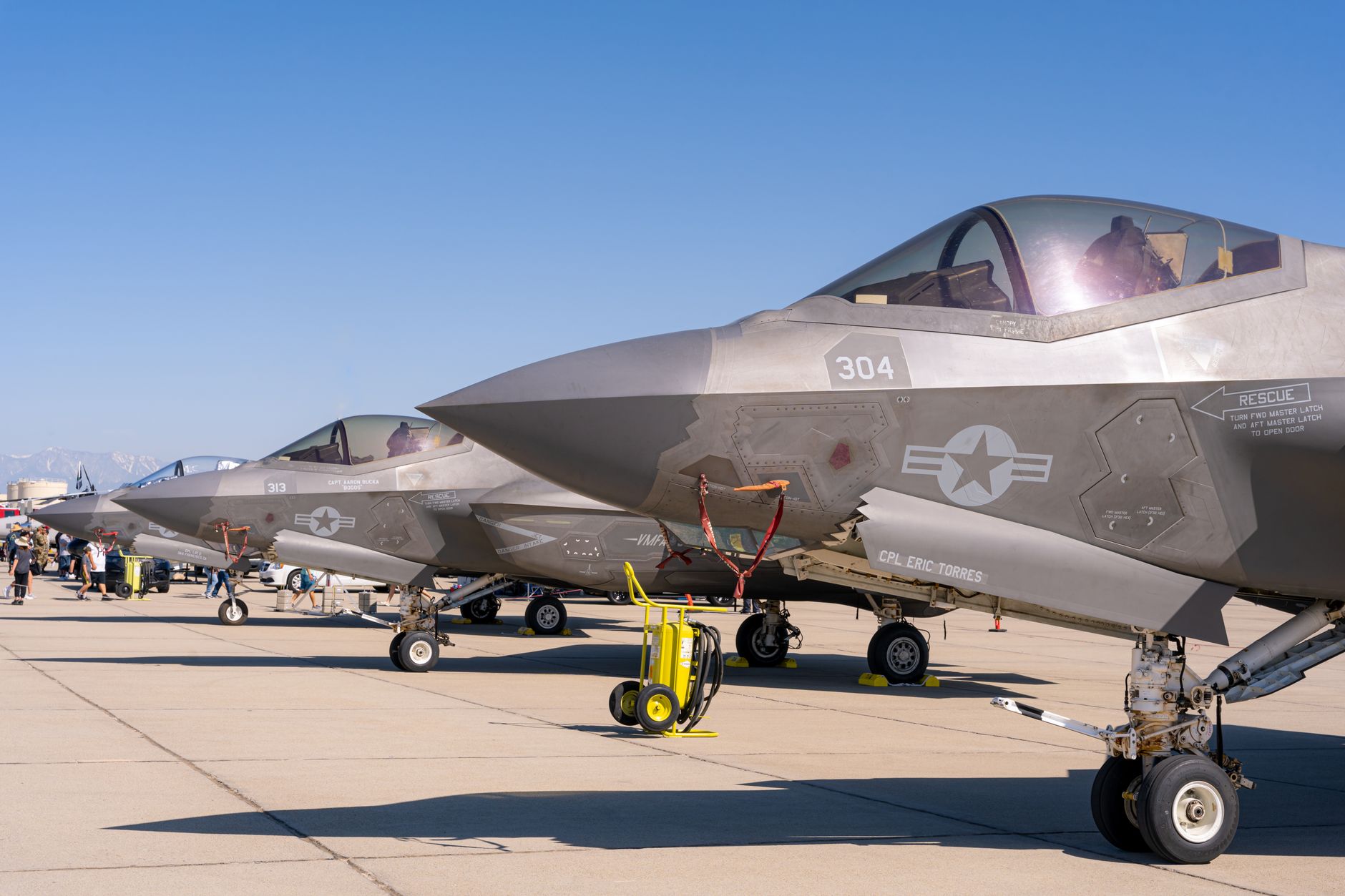
The report does not attribute the increase to a single cause but situates it within broader production and supply-chain pressures that have affected defense contractors across multiple major programs. Officials have not publicly confirmed the precise per-unit figures cited or offered a detailed cost breakdown by variant — the F-35 is produced in three configurations for the Air Force, Navy, and Marine Corps — but the trajectory described in the Breaking Defense reporting points to an upward movement that contrasts with earlier expectations of declining unit costs as production volumes matured.
What the Cost Increase Means for Buyers
The F-35 program spans a large coalition of partner nations, many of which have negotiated delivery schedules tied to production lot pricing. A sustained cost increase in successive lots could compress defense budgets for those governments and, in some cases, prompt reassessment of planned order quantities. The Pentagon itself has long held that achieving lower per-unit costs through high-volume production was central to the program’s economic case, meaning any reversal of that trend carries both fiscal and political weight on Capitol Hill and among allied defense ministries.
For the U.S. services, the timing is particularly sensitive. The Air Force, Navy, and Marine Corps are each managing modernization pipelines that compete for the same appropriations. If F-35 lot pricing continues to climb, program managers will face harder choices about whether to accept fewer aircraft per fiscal year, seek supplemental funding, or revisit near-term delivery schedules. None of those options is without consequence for readiness planning or force-structure commitments.
Industrial and Strategic Backdrop
The F-35 is the largest defense acquisition program in U.S. history by total projected cost, and it has faced recurring scrutiny from congressional overseers and the Government Accountability Office over schedule slippage and cost growth. The latest lot-level pricing data reported by Breaking Defense adds a fresh data point to that long-running oversight debate. Prime contractor Lockheed Martin and engine supplier Pratt and Whitney have both cited raw-material inflation, workforce costs, and supply-chain disruptions as factors affecting production economics across multiple programs in recent years, though officials have not specifically confirmed those factors as the drivers here.
The cost pressure on advanced fighter programs coincides with accelerating investment in cheaper, attritable platforms. The Pentagon has been signaling that next-generation concepts must account for the expense of exquisite crewed aircraft, a strategic tension that is likely to shape future force-structure debates. The question of whether rising F-35 costs will accelerate that rethinking, or whether political and operational inertia will keep the program’s trajectory intact, is one that defense appropriators and uniformed planners will be weighing well into the next budget cycle. The parallel expansion of high-end aerial threats from competitors — including Chinese stealth drones whose development is accelerating — keeps pressure on the U.S. to maintain capable crewed-fighter inventories even as per-aircraft costs climb.