Pentagon Flags Sustainment and Readiness Concerns as Air Force Moves to Expand F-15EX Buy
A new Pentagon report warns the USAF faces real risks as it moves to roughly double its F-15EX fleet under an expanded procurement plan.

The Pentagon’s Office of the Director of Operational Test and Evaluation has flagged a set of program risks accompanying the U.S. Air Force’s plan to significantly expand its F-15EX Eagle II fleet, according to program data published by Air and Space Forces Magazine. The report arrives as the service moves toward roughly doubling its planned F-15EX buy — a procurement shift with real consequences for training, sustainment, and operational readiness that the Air Force will need to actively manage. As the service weighs how it structures its future combat air architecture, the F-15EX expansion represents one of its most consequential near-term decisions.
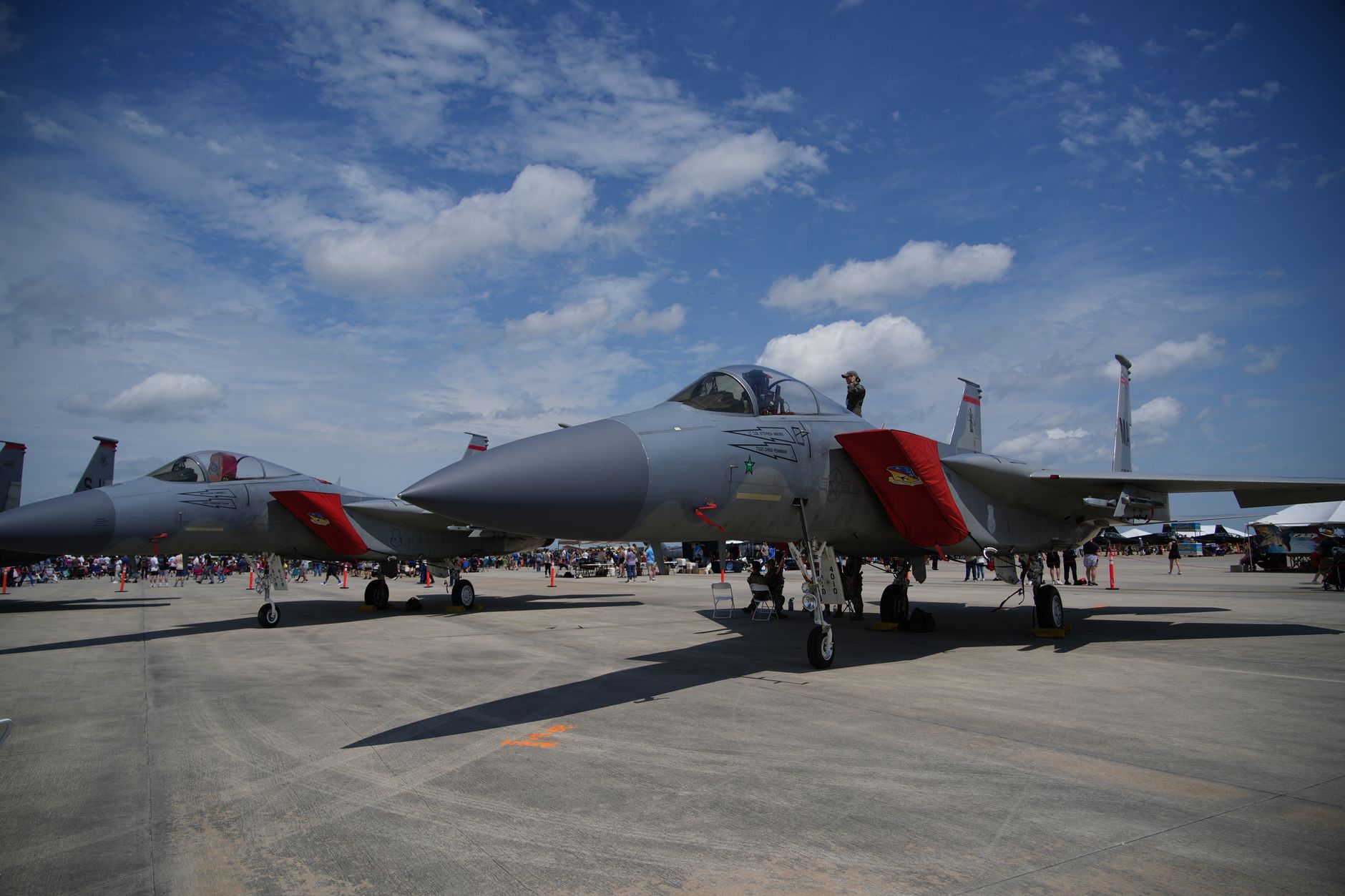
The original F-15EX program of record called for 144 aircraft. The expanded plan under review would push that number substantially higher, with Air and Space Forces Magazine reporting the figure could approach approximately 250 jets. That shift in scale, while potentially beneficial for fleet capacity and industrial production rates at Boeing’s facility in St. Louis, introduces a corresponding expansion of the logistical and training burden the Air Force must absorb.
What the DOT&E Report Identifies
The Pentagon’s testing office identified several areas of concern tied to the expanded buy. Among them are questions about whether the Air Force has sufficient trained personnel — both pilots and maintainers — to absorb a fleet of this size at the intended pace. The report also noted that some testing remains incomplete, meaning the aircraft is still working through portions of its developmental and operational evaluation before the service takes on a significantly larger number of airframes.
Sustainability of the aircraft’s systems was another area the report addressed. The F-15EX carries a notably large payload capacity and is equipped with the Eagle Passive Active Warning Survivability System, known as EPAWSS, which provides electronic warfare capabilities. Officials have not confirmed that all elements of EPAWSS and associated mission systems have cleared every required testing threshold, and the DOT&E report reflects that some work remains ongoing. The Air Force has acknowledged the risks but characterized them as manageable within the program’s current trajectory.
Strategic and Industrial Stakes of the Expanded Buy
The decision to expand the F-15EX fleet is not being made in isolation. It reflects broader Air Force concerns about sustaining combat mass at a moment of intensifying great-power competition, particularly as the service manages an aging F-15C/D fleet approaching retirement. The Eagle II is intended in part to replace those legacy jets, and a larger buy would accelerate that transition while keeping Boeing’s F-15 production line viable for longer — a consideration with both domestic industrial and allied export implications, given that several partner nations operate or are evaluating F-15 variants.
At the same time, the Air Force is balancing the F-15EX expansion against other major procurement priorities, including the Next Generation Air Dominance program and ongoing F-35 deliveries. The DOT&E report does not recommend halting the expanded buy, but it does place the burden on Air Force leadership to demonstrate that the risks it identifies — in testing completeness, workforce capacity, and sustainment infrastructure — are being addressed in step with rising production. How the service responds to those findings will likely shape the program’s trajectory through the remainder of the decade. The Navy faces analogous pressures in its own aviation modernization efforts, as seen in delays affecting its trainer jet competition and broader force structure planning.