EU Naval Mission Reports Surge in Commercial Shipping Escort Demands Across the Red Sea
Operation Aspides commander details a sharp rise in escort requests as commercial shipping seeks naval protection in the Red Sea.

The commander of the European Union’s Operation Aspides naval mission has reported a significant increase in requests from commercial vessels seeking armed escort through the Red Sea, signaling that merchant shipping operators have not yet returned to independent transits despite reduced Houthi attack activity. The development was detailed in an War Zone report that drew on statements from the mission’s leadership and operational data released by the force itself. As counter-drone networks and layered naval defenses have become central to protecting maritime corridors globally, the Red Sea remains one of the most contested chokepoints for international trade.
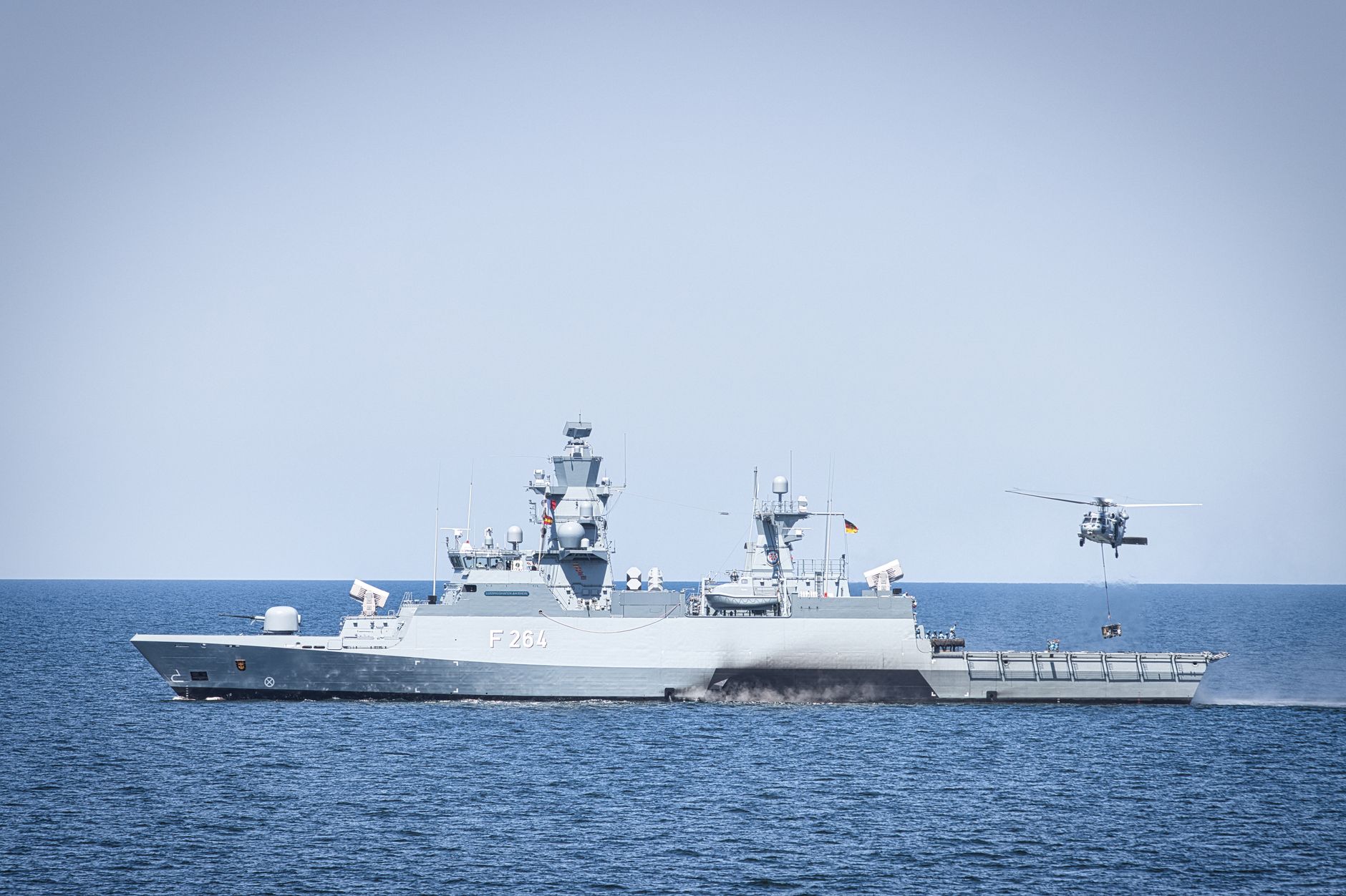
According to The War Zone’s reporting, the Aspides commander indicated that escort demand had grown substantially, reflecting persistent commercial operator anxiety about the safety of the Bab el-Mandeb strait and the broader Red Sea corridor. The mission has been escorting vessels transiting the region since its launch in early 2024, providing a protective naval presence for cargo ships and tankers that lack the means to defend themselves against drone and missile threats. Officials have not publicly specified the precise number of escort requests received per week in the most recent period, but the commander characterized the jump as major.
Aspides Posts Operational Milestone Amid Renewed Commercial Demand
The EU naval force published an official statement on its verified social media account marking an operational milestone and reaffirming the mission’s commitment to freedom of navigation in the region.
The Aspides framework operates alongside but separately from the U.S.-led Operation Prosperity Guardian, meaning that merchant vessels in the region can in some cases choose between or coordinate with multiple escort providers depending on routing and timing. The War Zone noted that the surge in escort requests represents a concrete operational burden on a mission that was originally sized for a less intense operational tempo. How the EU force manages that demand — whether by surging ship deployments, tightening escort windows, or coordinating more closely with allied naval elements — has not been publicly detailed by officials.
Broader Naval Posture and Strategic Context
The spike in escort demand arrives as the U.S. Navy is managing its own global deployment pressures. A recent Forbes analysis noted that only four U.S. carrier strike groups are currently deployed worldwide, a posture that constrains Washington’s ability to surge additional high-end naval power into any single theater without drawing down elsewhere. That constraint gives European naval missions like Aspides additional strategic weight, since EU member-state warships are, in practical terms, filling a portion of the security gap that a fully forward-deployed U.S. Navy might otherwise cover.
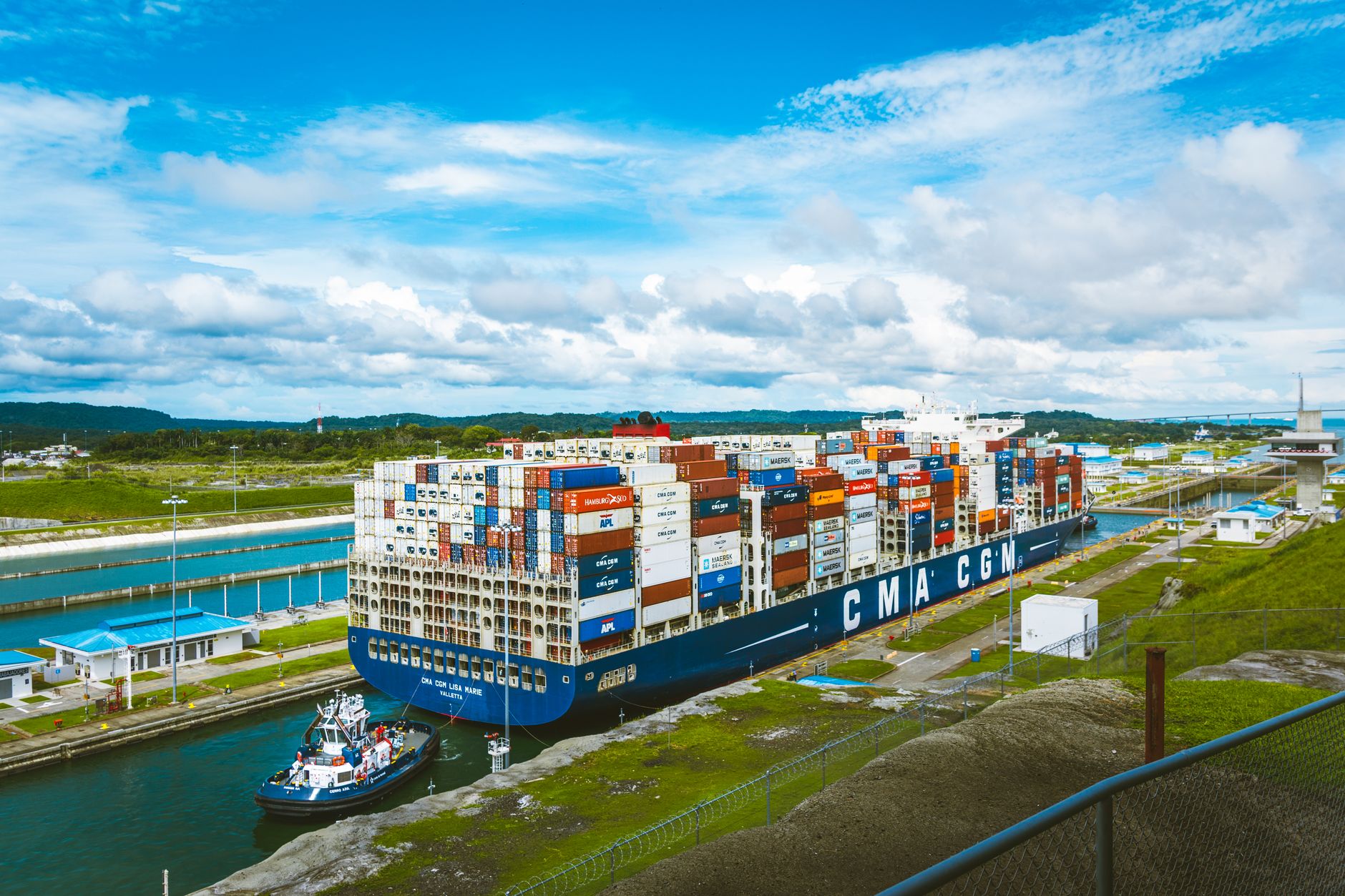
Commercial shipping’s continued reluctance to transit the Red Sea independently — despite a relative decrease in the frequency of Houthi drone and missile launches compared to peak attack periods — reflects how fundamentally the conflict has reshaped operator risk calculus. Insurance premiums for Red Sea passages remain elevated, and the reputational and financial consequences of losing a vessel or crew continue to outweigh the cost and delay of routing around the Cape of Good Hope for many operators. The sustained demand for escorts documented by Aspides suggests that a return to normalcy in one of the world’s busiest shipping lanes remains contingent on a durable change in the threat environment, not merely a temporary lull in attacks. The mission’s commander, by publicly highlighting the escort request surge, appears to be signaling both the operational relevance of the force and, implicitly, the resource demands that sustained maritime security in the region will continue to place on contributing EU member states.