BAE Systems Secures New Contract to Sustain Britain’s Vanguard-Class Nuclear Submarines
BAE Systems wins a new UK Ministry of Defence contract to support the Vanguard-class submarine fleet underpinning Britain’s nuclear deterrent.
BAE Systems has been awarded a new contract by the UK Ministry of Defence to provide sustainment and support services for the Royal Navy’s Vanguard-class ballistic missile submarines, the vessels that form the backbone of Britain’s continuous at-sea nuclear deterrent, according to Naval News. The award reinforces BAE Systems’ role as the primary industrial partner for the UK’s most operationally sensitive naval program at a moment when allied nations are broadly reassessing the readiness of their strategic deterrent forces. For context on how major defense contractors are securing long-term platform support deals, see GDD’s earlier coverage of the Patriot missile contract with Lockheed Martin.
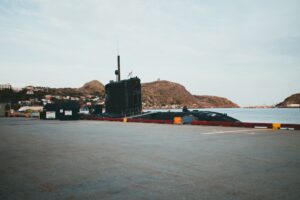
The Vanguard class comprises four submarines — HMS Vanguard, HMS Victorious, HMS Vigilant, and HMS Vengeance — homeported at HM Naval Base Clyde in Faslane, Scotland. The UK government maintains at least one of the four on patrol at all times under its Continuous At Sea Deterrence posture, a practice unbroken since 1969. The contract announced with BAE Systems is intended to keep those submarines operationally ready as the fleet ages and as the UK progresses toward its next-generation AUKUS submarine program.
Contract Scope and Industrial Significance
Naval News reported that the contract covers maintenance, repair, and support activities critical to sustaining the operational availability of the Vanguard-class boats. BAE Systems’ Submarines business, headquartered at Barrow-in-Furness in Cumbria, is the design authority and principal industrial partner for all Royal Navy submarine programs, giving it an effectively singular role in both building and sustaining the UK’s underwater deterrent. The financial value of the contract had not been publicly disclosed at the time of reporting.
The award comes as BAE Systems is simultaneously managing design and early construction work on the Dreadnought class, the Vanguard replacement program that is expected to deliver its first boat in the mid-2030s. Sustaining the current fleet while building its successor places considerable concurrent demands on the Barrow shipyard workforce and supply chain — a pressure point that UK defense officials and parliamentary committees have flagged repeatedly in recent years. The industrial workload at Barrow is also directly connected to AUKUS obligations, under which BAE Systems is expected to contribute to the construction of SSN-AUKUS submarines for both the Royal Navy and the Royal Australian Navy.
Strategic Context: Deterrence Readiness Under Scrutiny
Britain’s nuclear deterrent has faced sustained scrutiny over submarine availability and the pace of the Dreadnought transition. Reports from the House of Commons Defence Committee and the National Audit Office have previously noted risks to the program schedule and cost, reflecting the complexity of maintaining aging nuclear-powered submarines while simultaneously designing their replacements. Sustaining the Vanguard fleet through reliable long-term support contracts is therefore not simply a procurement housekeeping measure — it is a direct enabler of the UK’s ability to credibly maintain Continuous At Sea Deterrence through the transition gap between the two classes.
The contract also signals continued government confidence in BAE Systems’ ability to manage that transition period industrially, even as the broader UK defense budget faces pressure. NATO allies, including the United States, have a direct interest in the reliability of the UK deterrent given its assignment to NATO’s nuclear planning framework. The award arrives against a backdrop of heightened European security concern and renewed political emphasis across the alliance on the credibility of nuclear deterrence — dynamics that give sustainment contracts for strategic systems considerably more strategic weight than their procurement category might otherwise suggest. GDD has previously reported on the expanding pressures on European naval forces, including EU naval mission demands in the Red Sea, as allied fleets balance multiple simultaneous operational commitments.