Ejection-Seat Industry Confronts an Uncertain Future as Unmanned Aircraft Crowd Out Cockpits
As militaries shift toward drones, ejection-seat manufacturers are rethinking their role in a battlefield with fewer pilots to save.
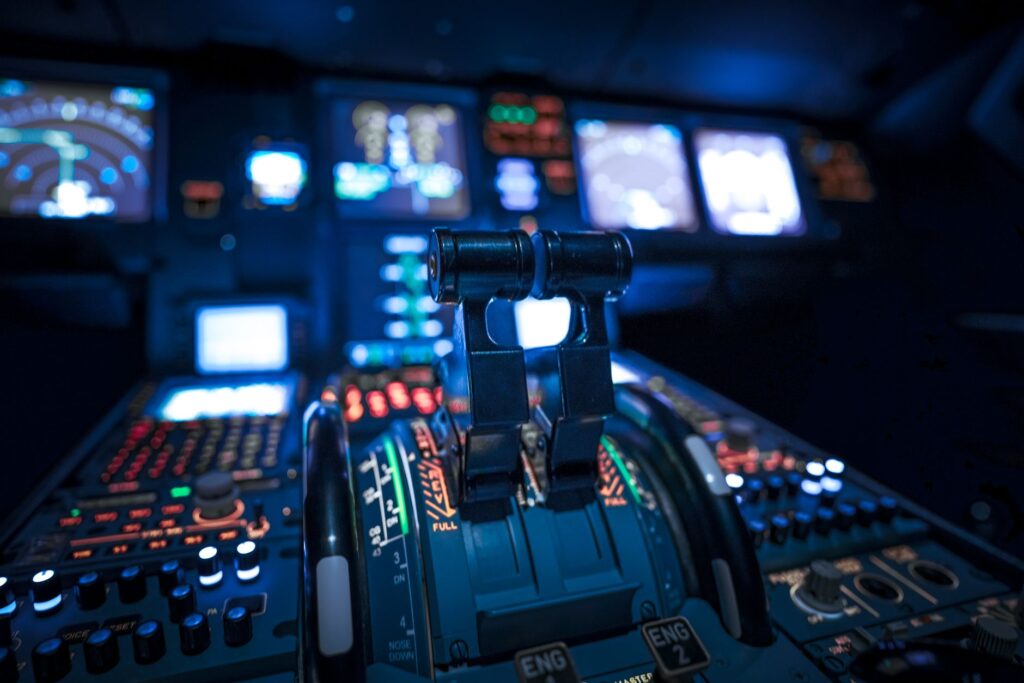
For decades, ejection seats have represented one of the most specialized and consequential products in the defense industry — a last-resort system engineered to keep pilots alive in the worst imaginable seconds of flight. But as the Pentagon and allied militaries accelerate their shift toward uncrewed platforms, the companies that build those seats are confronting a structural question: what does the market look like when there are fewer pilots left to save? That question is now driving a quiet but significant strategic reassessment across the ejection-seat sector, according to Defense One. The trend intersects with broader industrial shifts already reshaping how governments fund and field advanced systems — including the acquisition reform efforts underway at commands like SOCOM, where speed from concept to fielded capability is being prioritized.
A Shrinking Customer Base, A Durable Demand Signal
The core tension facing ejection-seat manufacturers is straightforward: the number of new crewed combat aircraft programs in development is declining relative to uncrewed programs, and that trajectory is expected to continue. Defense One’s reporting describes an industry grappling with how to sustain production lines, retain specialized engineering talent, and justify research-and-development investment when the addressable market for traditional pilot-escape systems is not growing at the pace it once did.
At the same time, existing fleets of crewed aircraft are not disappearing overnight. Fighters, trainers, and specialized manned platforms will continue to require seat upgrades, maintenance, and replacement units for years, if not decades. That installed base provides a near-term revenue floor, but it does not resolve the longer-term question of what comes next for manufacturers whose entire product identity has been built around saving human lives in crewed aircraft.
Industry Adaptation and the Unmanned Pivot
Rather than treating the unmanned revolution purely as a threat, some ejection-seat manufacturers are exploring how their engineering competencies — precision pyrotechnics, rapid-deployment mechanisms, human-factors integration — might translate into adjacent markets. Defense One notes that companies in this space are examining roles in uncrewed systems themselves, whether in recovery mechanisms, payload ejection, or other high-reliability, split-second deployment applications that do not require a pilot but still demand the same engineering discipline.
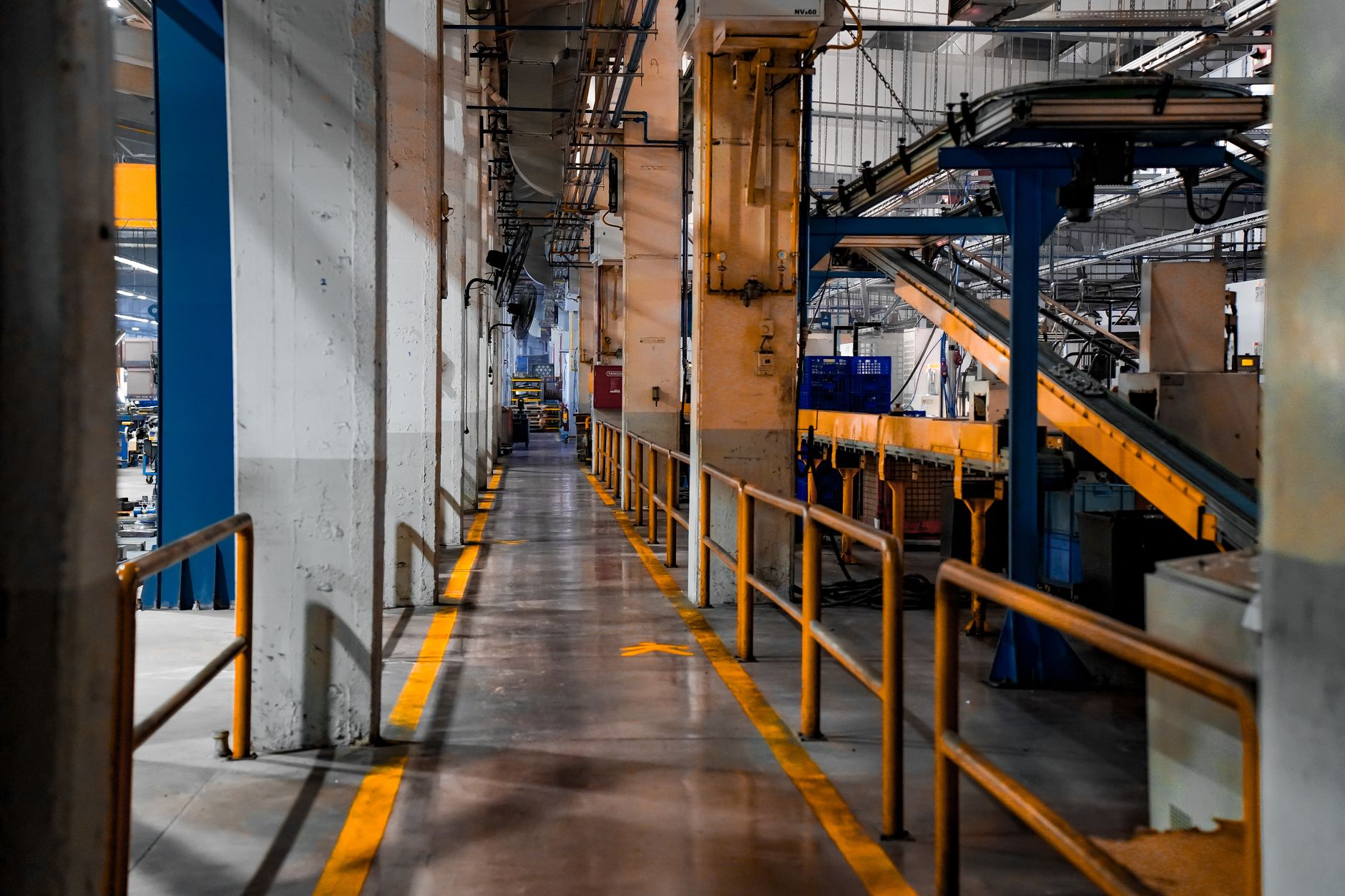
The industrial calculus is complicated by the fact that ejection-seat production is not easily scaled up or down. The manufacturing processes involve highly regulated explosive components, long certification timelines, and a narrow supplier base. Losing production volume does not simply mean fewer units shipped — it can mean losing the skilled workforce and supplier relationships that make re-expansion difficult if demand rebounds or a new crewed program emerges. This dynamic makes the current period particularly consequential for companies trying to calibrate investment without clear long-term program commitments from governments.
Strategic Implications for Pilot Safety and Force Design
The broader military context matters here. As platforms like the Air Force’s Collaborative Combat Aircraft program advance and concepts for optionally crewed aircraft proliferate, the line between what requires a human occupant and what does not is becoming more fluid. For defense planners, that fluidity carries real consequences for how they fund pilot-safety infrastructure — and for the companies that have long depended on those funding streams. The defense technology export market adds another dimension: allied air forces modernizing their fleets represent a potential demand pool, but many of those partners are also investing in uncrewed systems on parallel tracks.
What Defense One’s reporting makes clear is that ejection-seat manufacturers are not waiting passively for the market to resolve itself. The strategic pivot is already underway, even if its destination remains uncertain. In a defense industrial economy increasingly shaped by autonomy and unmanned systems, companies built around saving pilots are being forced to imagine — and engineer — a future where their original mission becomes rarer, even as it never fully disappears.