Beijing Launches Massive Underwater Drone Carrier as Indo-Pacific Tensions Mount
China has launched a giant submarine drone mothership, signaling a major expansion of its unmanned undersea warfare capabilities.

China has launched a large purpose-built submarine drone mothership, a vessel designed to deploy and recover unmanned underwater vehicles at scale, according to a Naval News report published in September 2026. The development marks a significant step in the People’s Liberation Army Navy’s effort to field distributed, hard-to-detect undersea assets across contested waters. As the U.S. and allied navies accelerate their own unmanned programs — a trend GDD has tracked in the context of Arctic security gaps and broader Indo-Pacific posture — China’s move underscores the accelerating competition beneath the surface.
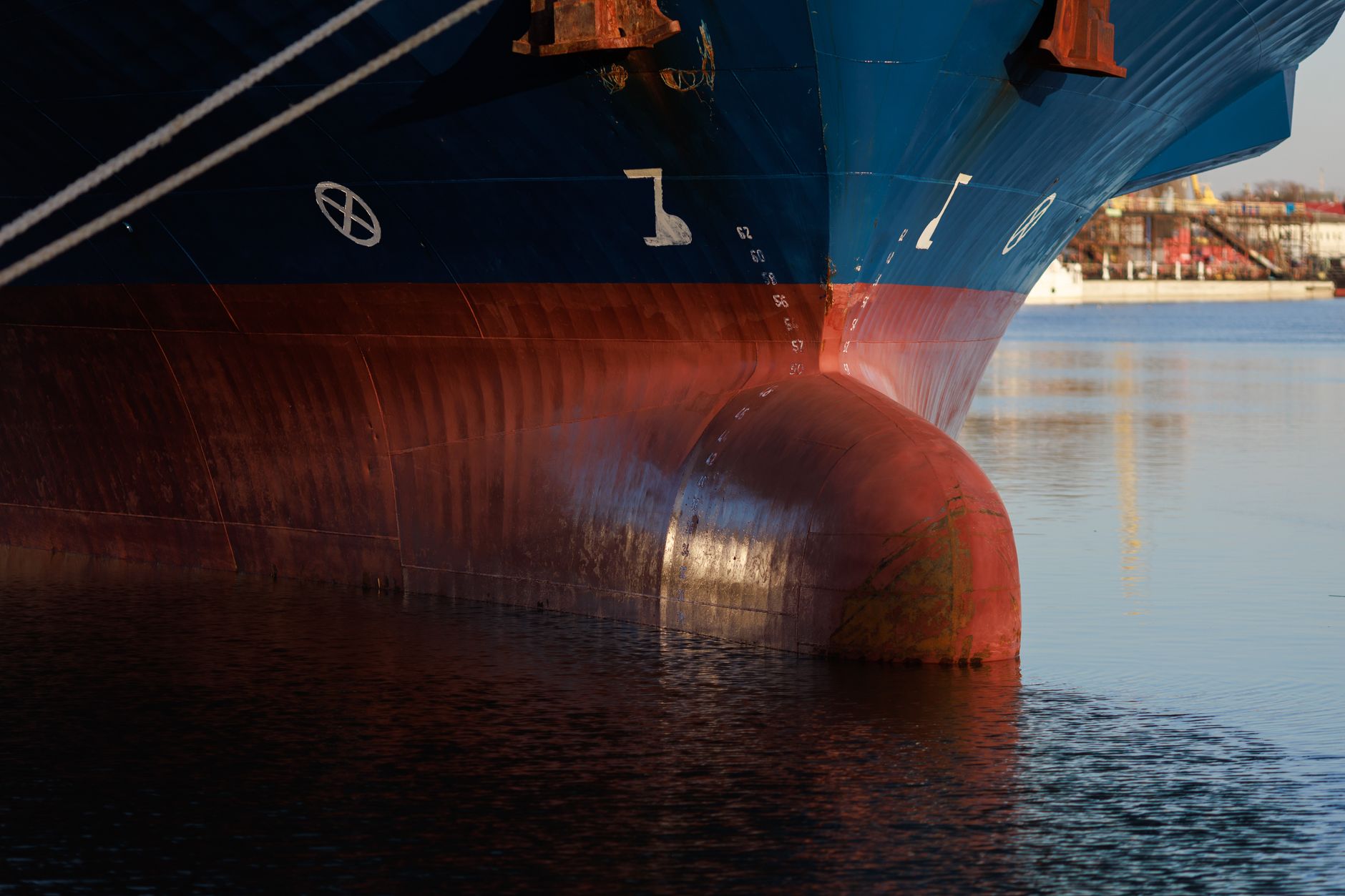
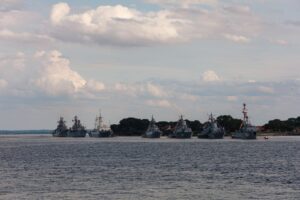
The vessel’s existence was first surfaced publicly through a naval imagery post that circulated on X, showing the ship’s considerable size and specialized configuration consistent with a mothership role for undersea drones.
What the Platform Reveals About PLAN Doctrine
The construction of a dedicated submarine drone mothership reflects a deliberate doctrinal choice. Rather than adapting surface combatants or submarines for secondary UUV-support roles, the PLAN appears to have invested in a vessel whose primary mission is the forward deployment, operation, and recovery of unmanned undersea systems. That distinction matters operationally: a purpose-built platform can carry more vehicles, support longer on-station endurance, and sustain maintenance cycles that a multi-mission warship cannot.
Undersea drone motherships extend the reach of a navy’s sensing and, potentially, strike capabilities without exposing crewed submarines to detection. A vessel of this type could loiter beyond a contested zone, dispatching UUVs to conduct intelligence gathering, mine-laying, or communications relay missions inside defended perimeters. Naval News noted the ship’s substantial scale, suggesting a meaningful payload capacity, though specific displacement figures and UUV complement had not been officially confirmed at the time of reporting.
Strategic Timing and Regional Implications
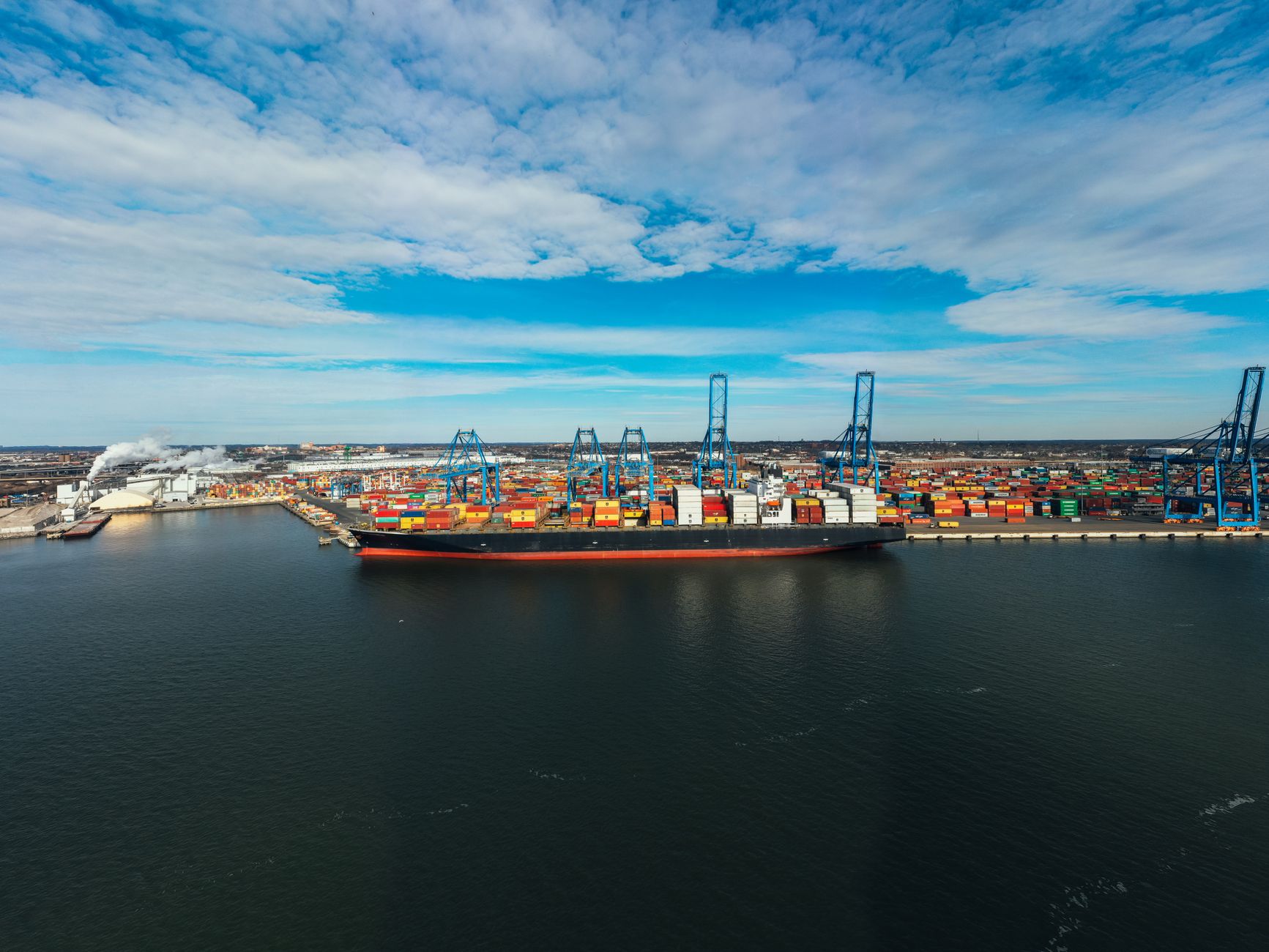
The launch comes as U.S. defense planners have publicly identified unmanned undersea warfare as a critical gap in both American and allied capability, particularly in the approaches to Taiwan and across the South China Sea. The U.S. Air Force and Navy have each moved to accelerate autonomous systems development, with the Air Force outlining ambitious timelines for drone fleets — a trajectory GDD examined in its reporting on autonomous drone programs through the end of the decade. China’s mothership concept mirrors that urgency but concentrates it in the undersea domain, where attribution is harder and response windows are compressed.
Beijing has not released official specifications or acknowledged the vessel’s operational timeline. Naval News cautioned that details remain limited to open-source imagery and analysis, and Chinese defense officials have not issued a formal statement. What the imagery does establish is that the program has progressed well past the conceptual stage: a hull of this class does not appear at a pier without substantial prior industrial commitment. For U.S. Pacific Command planners and allied navies operating in the region, the vessel’s emergence is a concrete data point in an undersea balance that has been shifting quietly for years.