CENTCOM Declares Strait of Hormuz Clear of Mines After Navy Sweep Operation
US Central Command says the Navy has cleared mines from the Strait of Hormuz, reopening one of the world’s most critical maritime chokepoints.
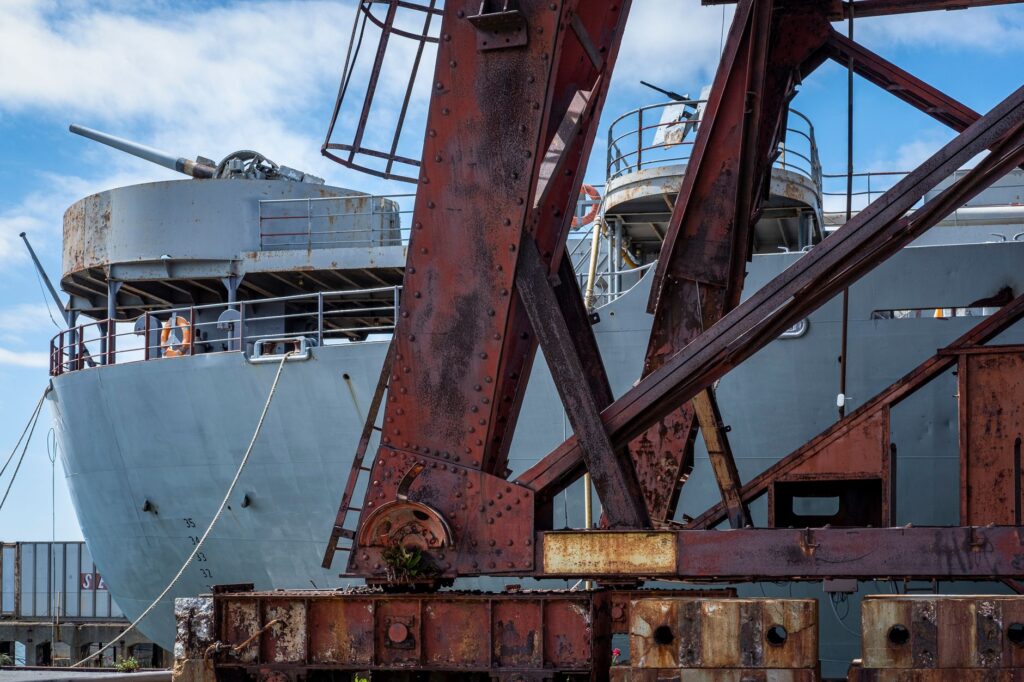
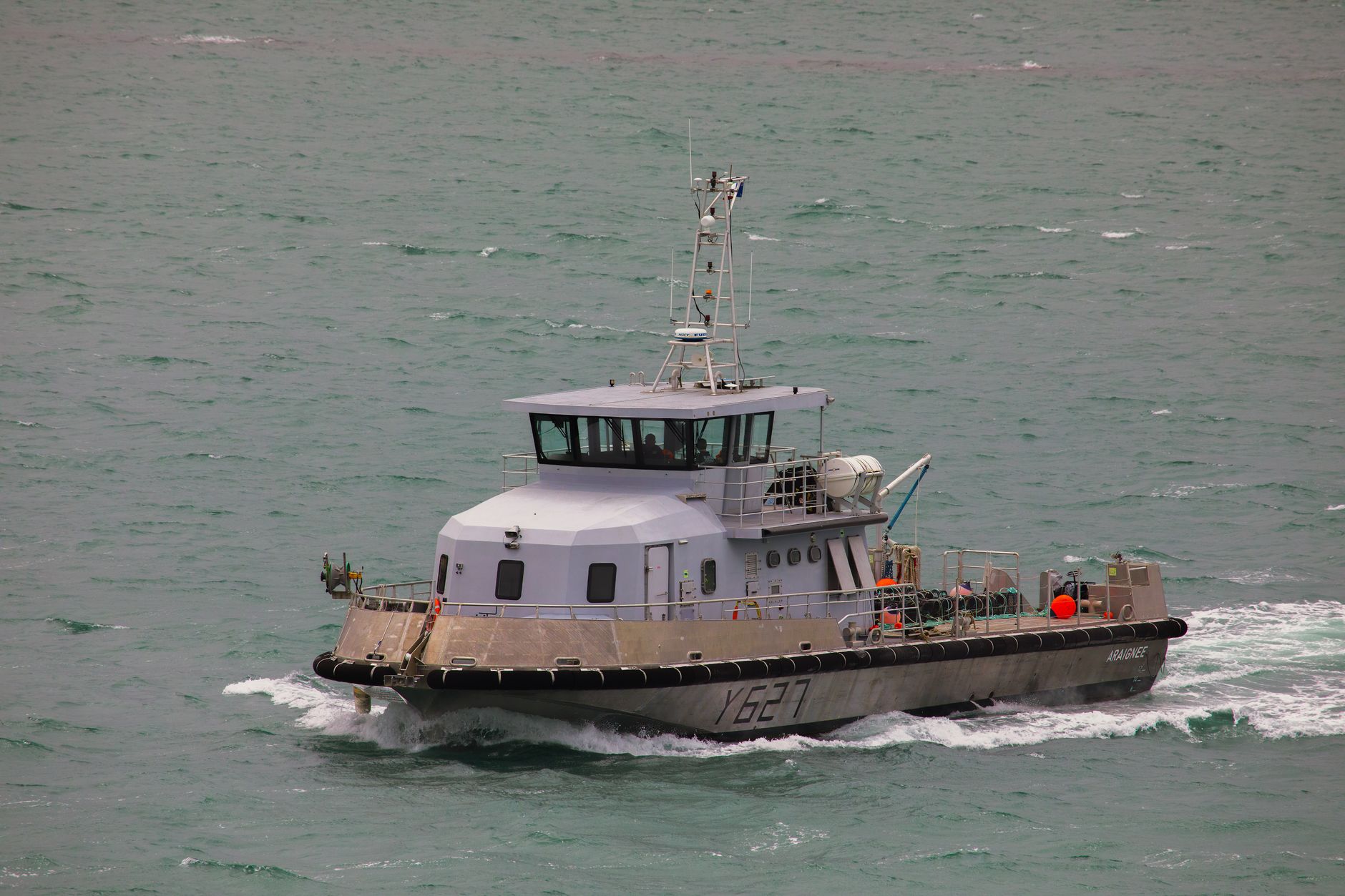
U.S. Central Command has announced that the Navy successfully cleared mines from the Strait of Hormuz, declaring the critical waterway free of the underwater threats that had imperiled one of the most consequential maritime chokepoints on the planet. The announcement marks a significant operational milestone at a moment of heightened tension in the broader Gulf region, where American forces have been engaged across multiple domains. For context on the naval posture preceding this operation, see GDD’s earlier coverage of the carrier strike group deployments to the Middle East.
According to Task and Purpose, CENTCOM confirmed the mine-clearance operation, though the command has not publicly detailed the full scope of the effort — including the precise number of mines removed, the specific vessels or units involved, or the timeline over which the sweep was conducted. Officials have not confirmed whether additional ordnance may remain undetected in adjacent waters.
Strategic Weight of the Hormuz Corridor
The Strait of Hormuz is the single most important oil transit chokepoint in the world. Roughly one-fifth of global petroleum liquids — including crude oil and liquefied natural gas — passes through the narrow passage between Iran and the Arabian Peninsula each year. Any sustained mining campaign capable of disrupting or closing the strait would send shockwaves through global energy markets and complicate logistics for American partners and allies across Europe and the Indo-Pacific.
The mine threat in the strait reflects a long-standing asymmetric strategy Iran has rehearsed in exercises and threatened in crisis periods over several decades. Mines are low-cost, difficult to detect, and capable of inflicting disproportionate damage on commercial and military shipping alike. Their presence alone — even absent detonations — is sufficient to deter transits, drive up insurance rates, and fracture the confidence of shipping operators. Clearing them under operational conditions, in contested waters, requires specialized platforms, trained personnel, and careful coordination with coalition partners.
The Broader CENTCOM Force Picture
The mine-clearance success comes as CENTCOM has been expanding its operational architecture in the Middle East across multiple domains. As drone force reporting from Forbes has detailed, the command has been building a NATO-style military drone force in the region — a sign that U.S. commanders are knitting together a layered operational posture that spans undersea mine clearance, surface and air patrols, and unmanned systems in a more integrated fashion than in previous deployments.
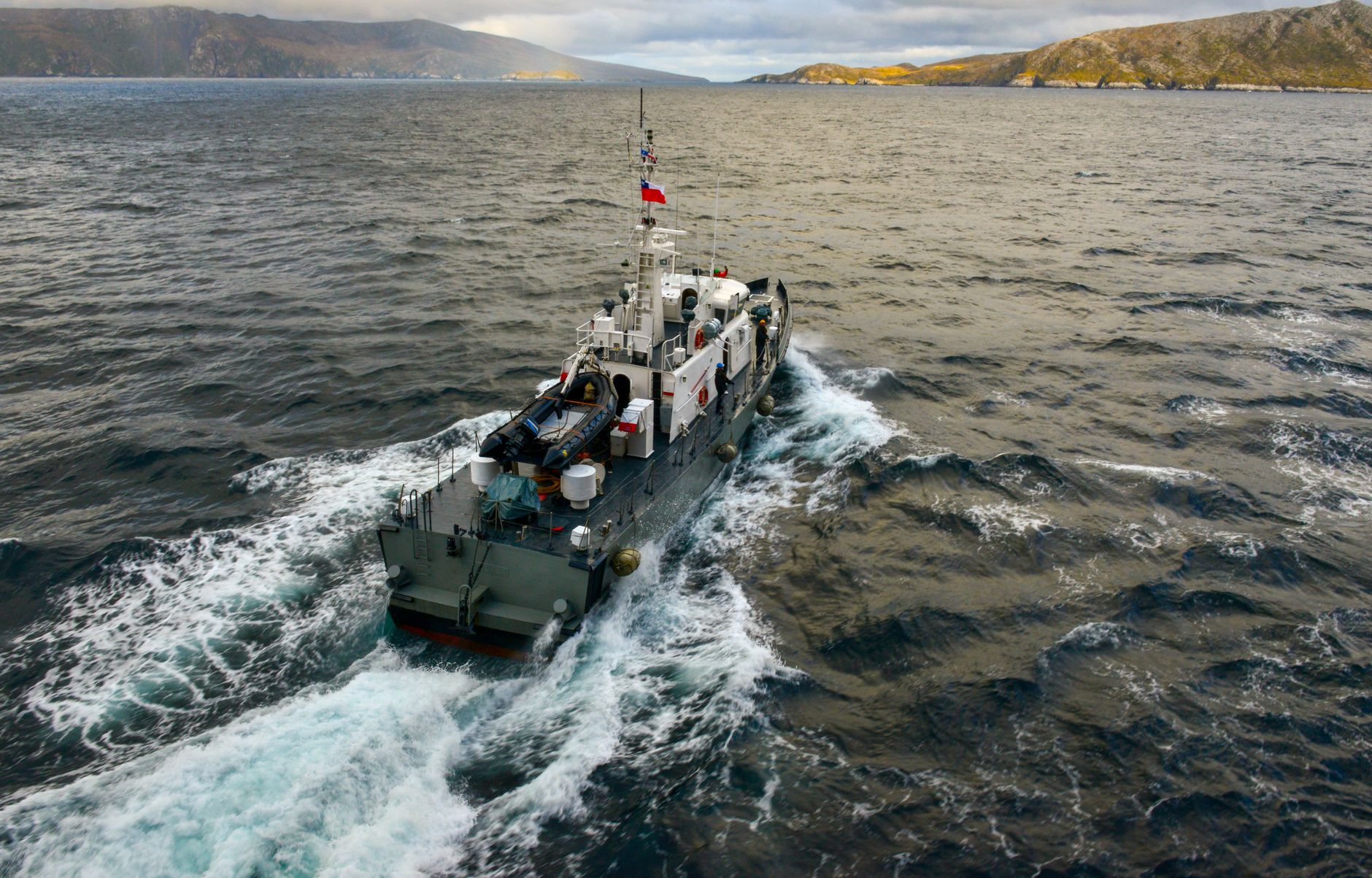
That layered approach matters because the mine threat does not exist in isolation. It sits alongside missile threats, drone swarm tactics, and naval harassment that Iranian forces and affiliated groups have employed against commercial and military shipping. Clearing the Hormuz passage is operationally significant, but maintaining freedom of navigation will depend on whether CENTCOM can sustain the force presence and surveillance architecture needed to detect future mining attempts before they are established. Officials have not publicly addressed what persistent monitoring posture will be maintained in the strait following the clearance declaration.
CENTCOM’s announcement did not specify whether partner nation naval forces participated in the mine-clearance effort alongside U.S. assets, nor did it characterize the origin or type of mines that were cleared. Those details, if and when they are released, would carry significant diplomatic and intelligence weight in any international response to whoever was responsible for their placement. GDD will continue to track developments as further information becomes available from the command.