Analysis points to US Patriot in Bahrain blast
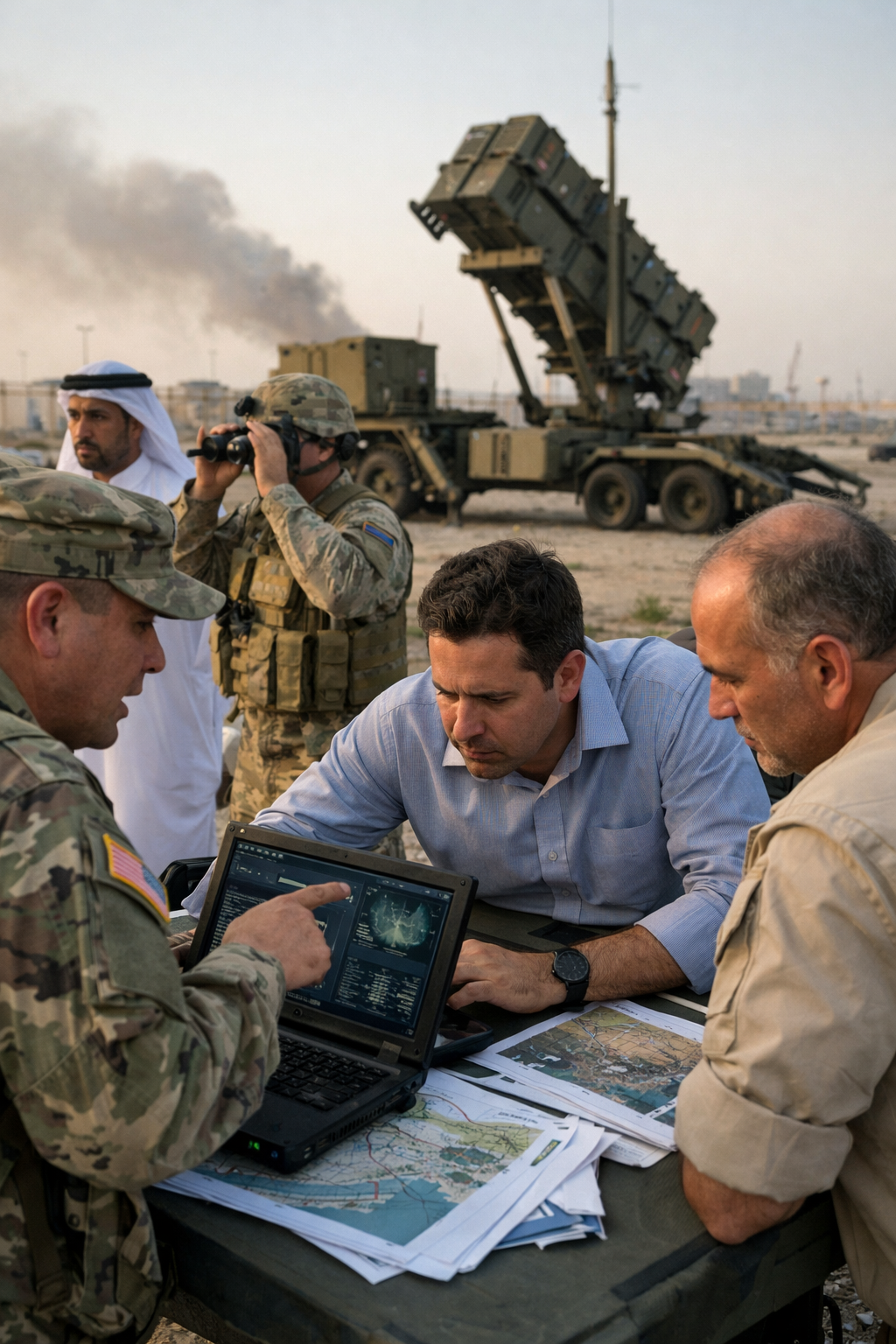
An interceptor missile involved in a recent explosion in Bahrain was likely operated by U.S. forces, according to a new analysis that is raising fresh questions about military activity in the Gulf and the risks associated with advanced air defense systems stationed in politically sensitive areas.
The findings were detailed in the Defense News report titled “Patriot missile involved in Bahrain blast likely US-operated, analysis finds,” which examines evidence suggesting the system responsible for the incident was part of a U.S.-run Patriot missile battery. Analysts cited in the report point to debris patterns, system characteristics, and operational context as indicators that the missile was not under Bahraini control, but rather linked to U.S. personnel stationed in the country.
The explosion, which occurred earlier this year, had initially prompted limited official comment, with authorities offering few specifics about its origin or the systems involved. Independent researchers and defense analysts have since worked to reconstruct the event using open-source imagery, technical signatures, and known deployment patterns of missile defense units in the region.
According to the Defense News account, the Patriot system — widely used by U.S. forces and allied nations for air and missile defense — can be operated under varying command arrangements depending on host nation agreements. In Bahrain, where the U.S. Navy’s Fifth Fleet is headquartered, American military infrastructure plays a central role in regional security operations. The presence of U.S.-operated air defense systems is consistent with broader efforts to counter missile and drone threats, particularly amid ongoing tensions with Iran and its network of regional proxies.
The analysis suggests that the missile involved may have malfunctioned or deviated from its intended trajectory, ultimately causing the blast. While no definitive public assessment has confirmed the exact sequence of events, the possibility of a system failure highlights the inherent risks tied to deploying complex defensive weaponry in densely populated or strategically sensitive environments.
Neither U.S. officials nor Bahraini authorities have released detailed findings about the incident, and it remains unclear whether a formal joint investigation has been conducted or concluded. The lack of transparency has drawn attention from observers who argue that incidents involving advanced weapon systems — especially those operated by foreign forces — warrant clearer disclosure to maintain public trust and accountability.
The Defense News report underscores how open-source intelligence and technical expertise are increasingly shaping public understanding of military incidents that governments may be slow to explain. It also reflects broader concerns about escalation and miscalculation in the Gulf, where overlapping defense systems, high operational tempo, and geopolitical rivalries create conditions in which accidents can carry significant diplomatic consequences.
As regional tensions persist, the Bahrain incident serves as a reminder of the fine balance between deterrence and risk inherent in modern air defense deployments.