Air Force Fighter Fleet Falls Short of Congressionally Mandated Floor, Putting Lawmakers on Course to Intervene
The Air Force cannot sustain its 1,145-aircraft fighter minimum, prompting Congress to consider restructuring the service’s tactical aviation fleet.
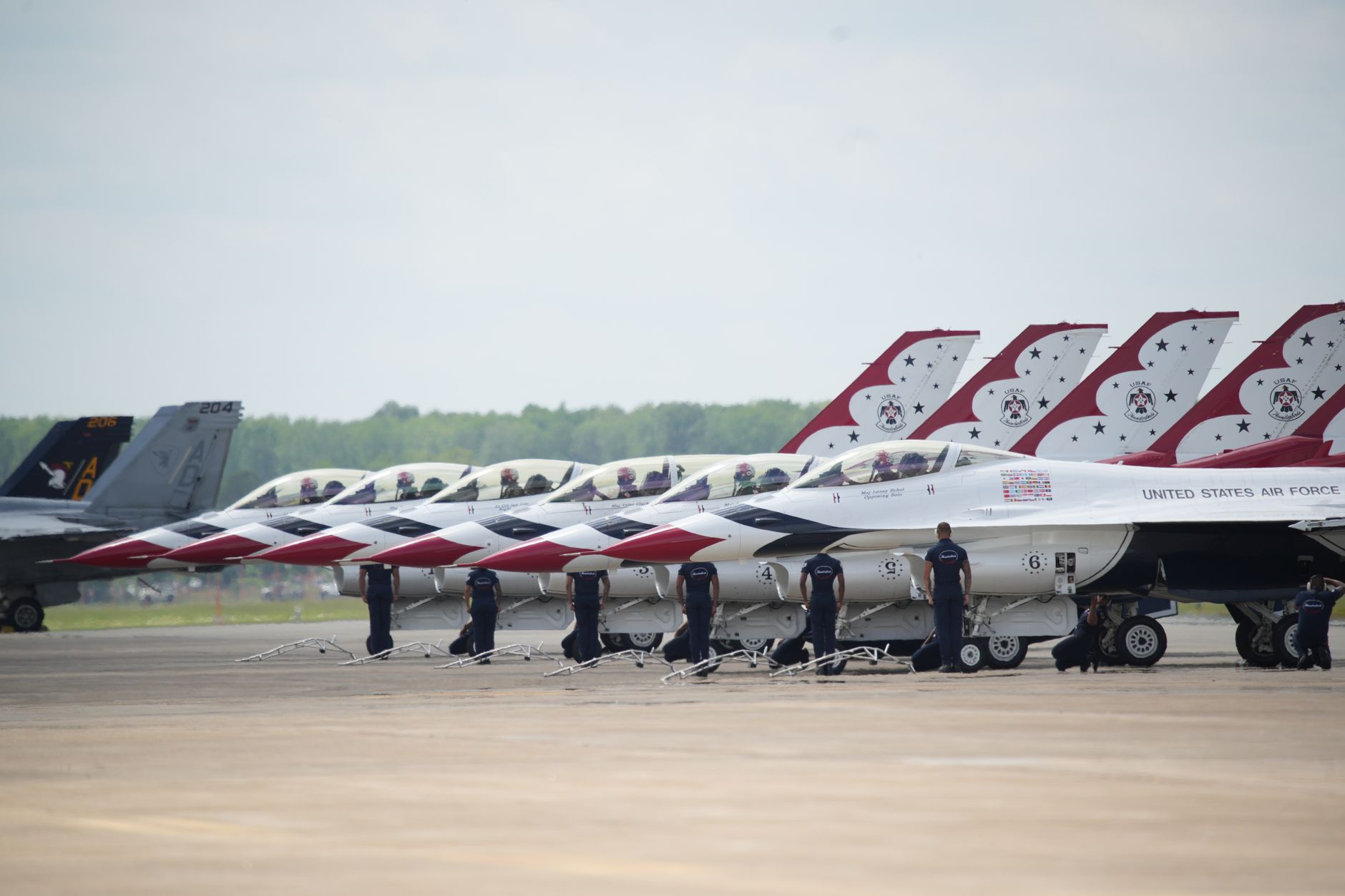
The U.S. Air Force is failing to maintain the 1,145 combat aircraft that Congress has set as the minimum acceptable floor for the service’s fighter fleet, according to a Military Times report published September 8. The shortfall is significant enough that lawmakers are now weighing whether to intervene directly, potentially restructuring the requirements that govern how many and what types of aircraft the service must field. The development marks a new pressure point in an already strained relationship between the Air Force and Capitol Hill over the pace and direction of tactical aviation modernization. As drone integration and electronic warfare reshape how the services think about force structure, questions about manned fighter inventories are only growing more consequential.
A Fleet in Structural Decline
The Air Force has struggled for years to balance retirements of legacy platforms against the slower-than-planned delivery of next-generation aircraft. The service has been drawing down older fighters, including the F-15C/D and A-10, faster than fifth-generation replacements have arrived in sufficient numbers to fill the gap. The result is a fleet count that, by the service’s own accounting, cannot consistently meet the congressionally mandated 1,145-aircraft threshold.
The A-10 Warthog’s accelerating retirement has been a persistent flashpoint. Congress has previously blocked or delayed A-10 retirements specifically because of concerns about inventory shortfalls, and according to a Forbes analysis, some defense observers believe the aircraft could still see operational use before its final retirement, underscoring how contested its phase-out remains. The tension between retiring aging airframes to cut maintenance costs and preserving raw aircraft numbers sits at the center of the current impasse.
Congressional Options and the Path Forward
Rather than simply forcing the Air Force to halt retirements, lawmakers are examining whether the 1,145-aircraft requirement itself should be revised or restructured to reflect the changing character of air combat. Alternatives under consideration could include adjusting the counting methodology, incorporating remotely piloted aircraft or collaborative combat aircraft into the tally, or setting a different numerical threshold altogether. None of these options has been formally adopted, and officials have not confirmed a specific legislative timeline for action.
The debate carries real operational stakes. Air Force leaders have argued that fleet quality — meaning the ratio of fifth-generation to legacy aircraft — matters more than raw numbers, while many lawmakers contend that total inventory is a concrete and enforceable measure of readiness that the service should not be allowed to sidestep through definitional changes. The Air Force’s difficulty meeting the floor also raises questions about industrial capacity: F-35 production rates and the timeline for the Next Generation Air Dominance program will ultimately determine whether the service can grow its way out of the shortfall or must instead redefine what the floor measures. Progress on allied capability investments — such as shared artillery frameworks in Europe — illustrates how partner nations are accelerating their own force structure decisions in parallel, adding indirect pressure on Washington to demonstrate it can sustain its own commitments.
How Congress resolves the standoff will shape Air Force procurement priorities for the remainder of the decade. Forcing the service to slow retirements preserves numbers but locks in sustainment costs for aging platforms; revising the requirement gives the Air Force more flexibility but risks setting a precedent that statutory floors are negotiable. Neither path is without consequence for the service’s long-term readiness posture.