Marines Drill on Electronic Jamming to Shield Amphibious Ships From Drone Swarms
US Marines are training to jam enemy drones before they reach Navy amphibious ships, reflecting lessons from modern drone warfare.
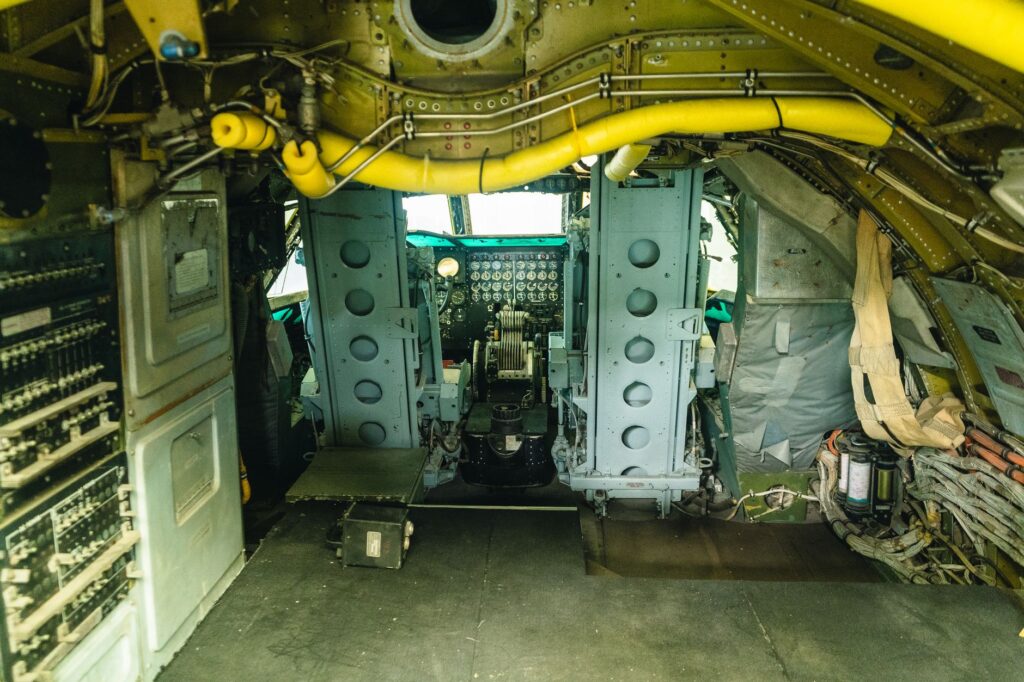
United States Marines are conducting training exercises focused on electronically jamming enemy drones before those systems can close on Navy amphibious assault ships, according to a Business Insider report published this month. The effort reflects a growing institutional recognition that unmanned aerial threats now pose a credible danger to large surface vessels operating in contested littoral environments. The training marks a tangible shift in how the Marine Corps is integrating electronic warfare into its shipboard and expeditionary defense posture. As drone attrition rates climb across multiple theaters, the pressure on US forces to develop layered counter-UAS capabilities has intensified considerably.
The training places Marines in an active counter-drone role during the approach and transit phases, before hostile unmanned systems can reach effective strike range of the ship. Business Insider reported that the exercises involve electronic jamming techniques designed to disrupt drone guidance and communications links. Officials have not publicly confirmed specific equipment designations, jamming frequencies, or the precise operational ranges involved in the exercises.

Amphibious Ships as High-Value Targets
The focus on protecting amphibious assault ships is operationally significant. These vessels serve as the primary platforms for projecting Marine forces ashore and are among the most valuable — and largest — surface assets the Navy deploys in forward areas. Unlike aircraft carriers, which typically operate within layered carrier strike group defenses, amphibious ready groups can find themselves in more exposed positions during littoral operations. The drone threat to large naval vessels has been underscored repeatedly by conflicts in Ukraine and the Red Sea, where relatively low-cost unmanned systems have been employed against far more expensive platforms.
The Marine Corps has been broadening its offensive and defensive drone portfolio simultaneously. A separate Business Insider report detailed that Marine anti-tank missilemen are slated to receive attack drones, expanding the Corps’ precision-strike capacity at the small-unit level. Taken together, the two programs suggest the Marine Corps is pursuing a comprehensive approach to unmanned systems — fielding attack drones at the tactical edge while developing the electronic warfare skills needed to neutralize the same category of threat when it is turned against US forces and ships.
Doctrine and Training Evolving in Real Time
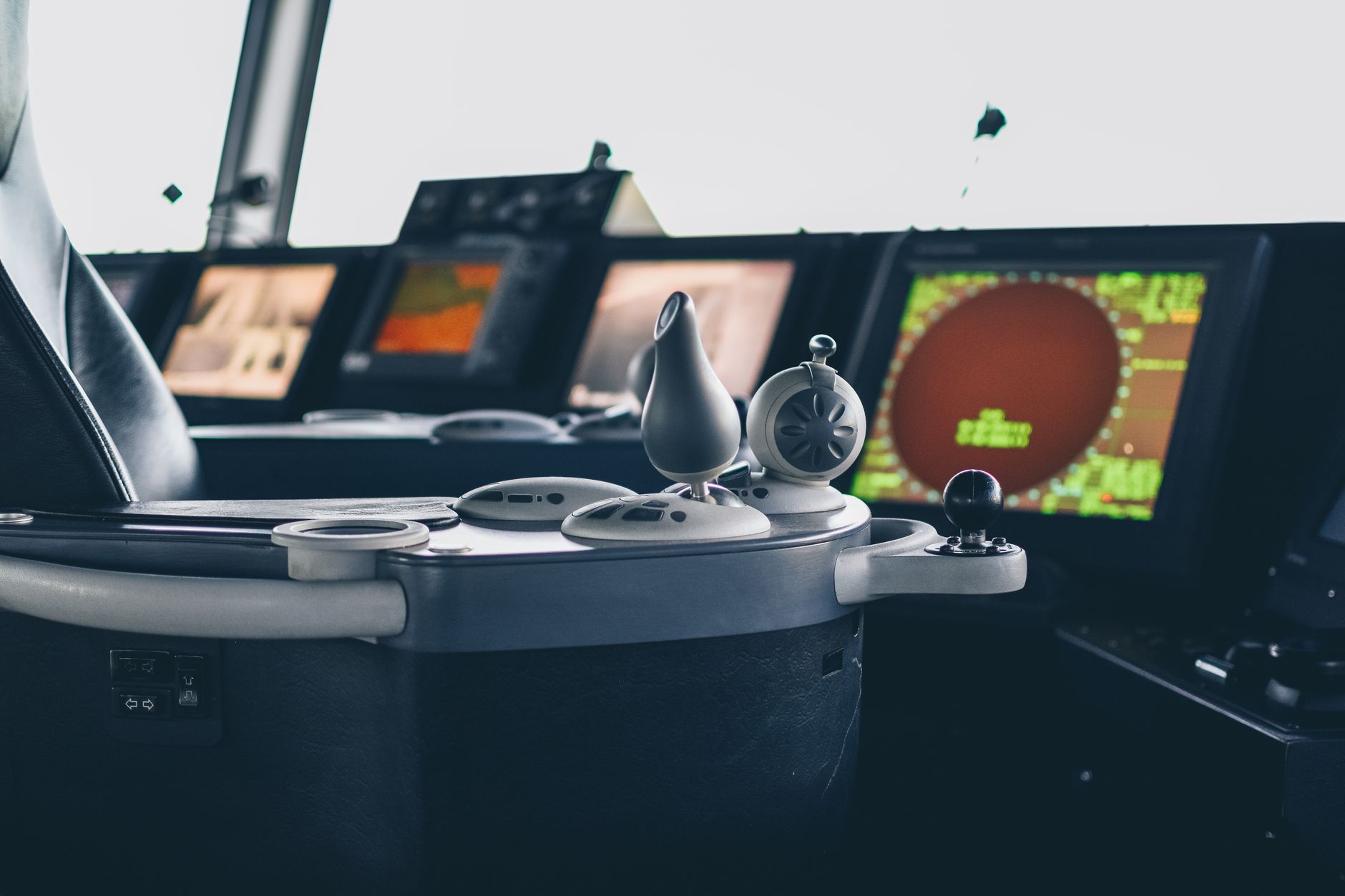
The jamming training represents an evolution in Marine expeditionary doctrine that goes beyond traditional infantry or combined-arms roles. Integrating electronic warfare into the amphibious defense mission requires Marines to understand signal environments, drone communications architectures, and the decision timelines involved in prosecuting a fast-moving aerial threat. Officials have not detailed how the training is being assessed or what metrics define readiness, but the existence of structured exercises suggests the capability is moving beyond concept development toward unit-level proficiency.
The broader naval context adds urgency to the effort. As Forbes has reported, the US Navy is managing significant pressure on its carrier fleet, with carrier readiness challenges complicating forward-deployment schedules. Amphibious ships are consequently carrying a heavier share of maritime presence requirements in key regions. Ensuring those platforms can defend themselves against drone threats — using Marines embarked aboard them as an active jamming layer — adds a distributed, organic defensive capability that does not depend solely on ship-based weapons systems. The Marine Corps has not announced a formal program of record for the jamming training, and a broader fielding timeline has not been made public.