First New-Build F-16Vs Touch Down in Taiwan, Reshaping Island’s Air Combat Posture
Taiwan receives its first two new-build F-16V Block 70 fighters, a milestone in the island’s effort to modernize air defenses against China.
Taiwan has taken delivery of its first two new-build F-16V Block 70 fighter jets, marking a tangible milestone in the island’s long-running effort to modernize its air force against an increasingly capable People’s Liberation Army Air Force, Defense News reported Friday. The aircraft landed in Taiwan following a sale approved by Washington, representing the first entirely new F-16 airframes the island has received in decades, rather than upgrades to its existing fleet.
The arrival comes at a moment of sustained pressure across the Taiwan Strait, with Taipei investing across multiple domains to close capability gaps with the mainland. For observers tracking Indo-Pacific force posture, the delivery is a concrete step rather than a diplomatic signal — two airframes on the ramp, not a promise on paper. Readers following parallel modernization efforts in the region may also note long-range radar acquisitions elsewhere reflecting a broader allied push to harden air surveillance infrastructure.
What the F-16V Brings to Taiwan’s Fleet
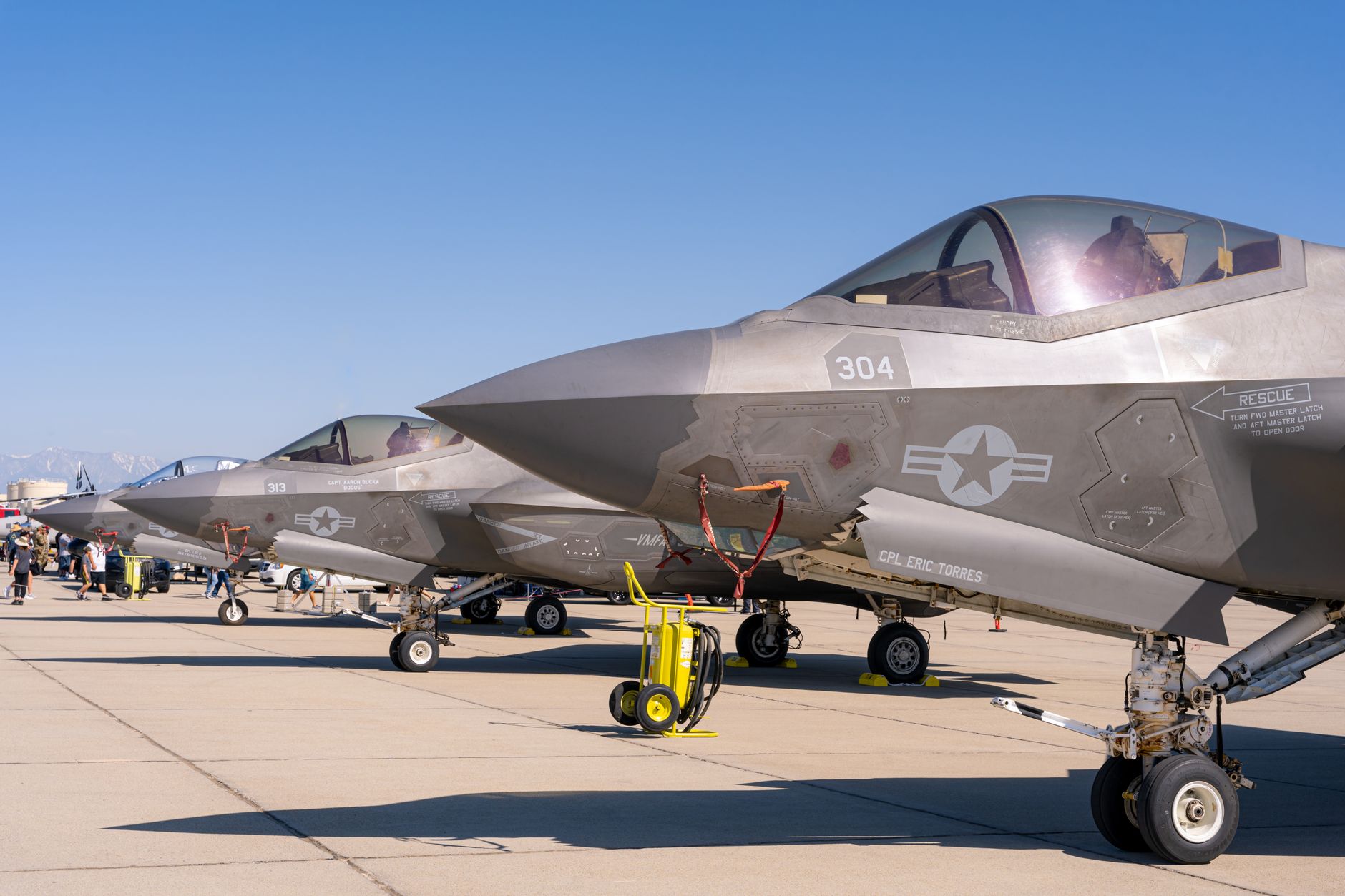
The F-16V, also designated the Block 70/72, is the most advanced production variant of the Lockheed Martin F-16 currently in service. Its distinguishing features include the AN/APG-83 Scalable Agile Beam Radar — an active electronically scanned array derived from the F-22 and F-35 programs — along with an advanced cockpit with a large-area display, automatic ground collision avoidance, and structural improvements designed to extend airframe life. These capabilities meaningfully upgrade beyond what Taiwan’s previously upgraded F-16A/B Block 20 aircraft carry, particularly in beyond-visual-range targeting and electronic warfare resilience.
Taiwan’s procurement covers 66 new-build aircraft in total, meaning the two jets that arrived represent the leading edge of a delivery schedule expected to extend over several years. The full complement, once fielded, would constitute a dedicated squadron-plus force of modern fourth-generation fighters distinct from the fleet being upgraded under a parallel F-16 modernization program. Defense News did not report specific delivery timelines for the remaining aircraft, and officials have not publicly confirmed an accelerated schedule despite regional tensions.
Strategic Context and Industrial Significance
The sale has been a point of friction with Beijing since Washington approved it, and China has consistently characterized such arms transfers as interference in its claimed sovereignty over Taiwan. For the United States, the transaction reflects a longstanding policy under the Taiwan Relations Act of providing the island with defensive arms, even as the administration manages a complex diplomatic relationship with the mainland. The timing of the first delivery, arriving in early October, will almost certainly draw a formal protest from Beijing, though the nature of any Chinese response had not been confirmed at publication time.
From an industrial standpoint, the contract sustains production at Lockheed Martin’s Fort Worth line and reinforces the F-16’s export viability at a moment when several nations are evaluating fourth-generation alternatives. The program also carries longer-term significance for Taiwan’s defense industrial ambitions: maintenance, sustainment, and eventually depot-level work tied to the new airframes are expected to involve Taiwanese industry partners, according to prior program disclosures, though Defense News did not detail those arrangements in its reporting on the delivery. Those following autonomous and next-generation air platform development — including Grumman’s Talon Blue autonomous wingman program — will note that even as unmanned platforms advance, proven crewed fighters remain the backbone of frontline deterrence for partners across the Indo-Pacific.
Taiwan’s Ministry of National Defense had not issued a formal statement on the delivery’s operational timeline or the unit that will receive the aircraft as of publication, and officials have not confirmed when the jets will reach initial operational capability.