Ireland Signs Long-Range Radar Contract to Begin Closing Decades-Old Air Surveillance Shortfall
Ireland has signed a long-range radar deal aimed at addressing persistent gaps in its air surveillance and national defense capabilities.
Ireland has signed a contract to acquire a long-range radar system, a move that marks one of the most significant upgrades to the country’s air surveillance infrastructure in years, according to Breaking Defense. The deal puts Dublin on a concrete path toward addressing a capability gap that defense analysts and Irish military officials have flagged for well over a decade — the country’s limited ability to independently monitor and track aerial activity across its expansive airspace and the busy North Atlantic air corridors above it.
The acquisition comes as small European nations face growing pressure to modernize legacy sensor networks amid a broader continental defense buildup. Ireland, which maintains a policy of military neutrality, has nonetheless acknowledged that its surveillance shortfalls carry real consequences for both national security and its obligations as a responsible steward of some of Europe’s busiest air and maritime transit routes. The radar deal signals that Dublin is willing to invest in foundational defense infrastructure even as it navigates the political sensitivities around neutrality. Similar sensor-modernization pressures have driven electronic warfare gaps to the forefront of allied defense debates across NATO and partner nations alike.
Scope of the Capability Gap
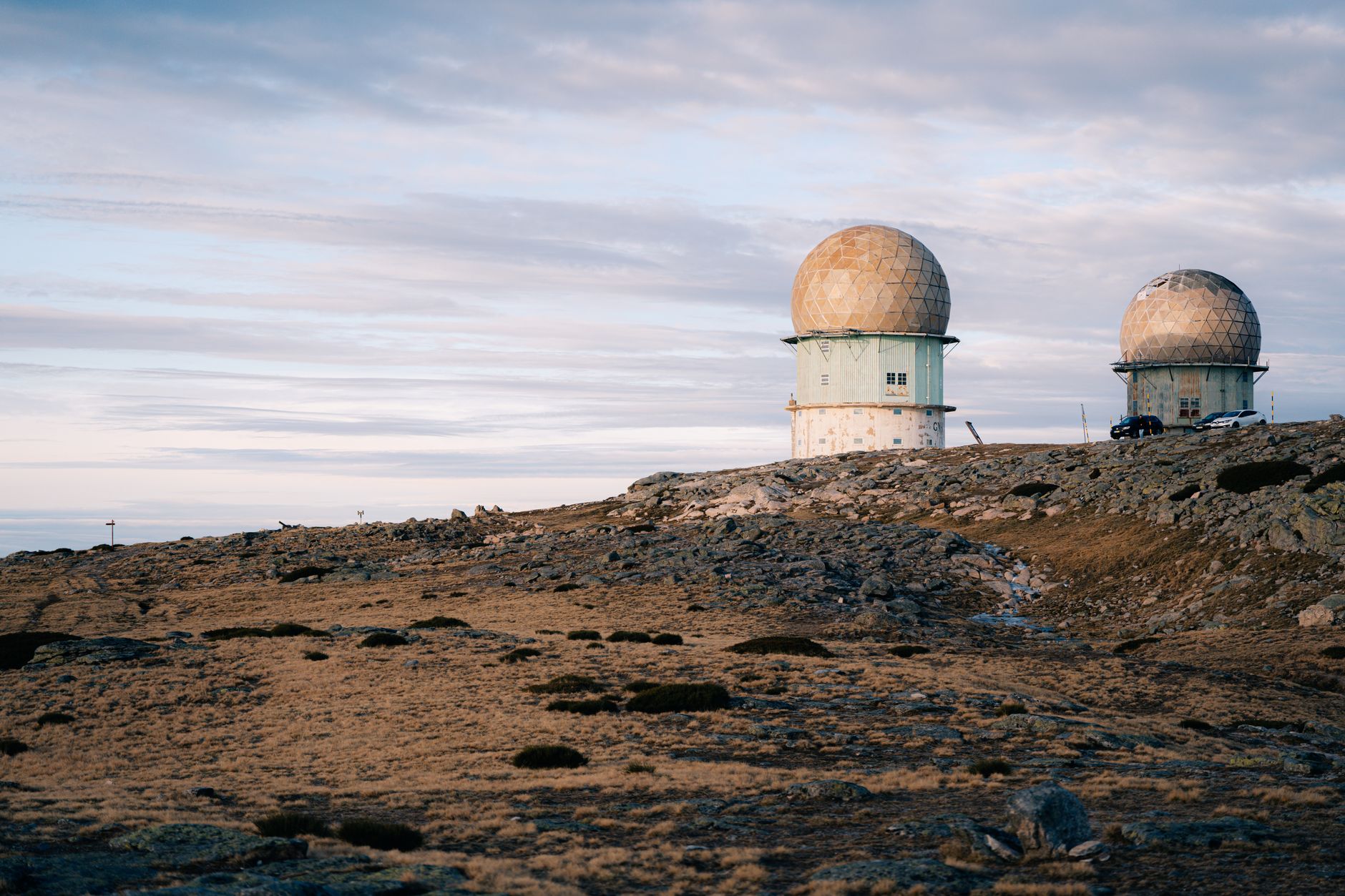
Ireland’s air surveillance limitations are structural. The country currently lacks the organic long-range radar coverage needed to independently track aircraft at high altitude and extended range across its flight information region, which spans a substantial portion of the eastern North Atlantic. That region handles a significant volume of transatlantic commercial traffic, and the absence of robust national radar coverage has long meant Ireland depends heavily on partner nations and shared arrangements to maintain situational awareness over its own sovereign airspace.
Breaking Defense’s reporting on the deal highlights that the contract represents a foundational step rather than a complete fix — Ireland’s defense establishment will still require follow-on investments in command-and-control infrastructure and trained personnel to fully operationalize any new radar capability. Officials have not confirmed a specific timeline for the system to reach initial operational capability, nor have they publicly detailed the full contract value or named the vendor with complete specification disclosures.
Strategic Context and Regional Implications
The timing of the deal is not incidental. Europe’s collective reassessment of defense readiness, accelerated by Russia’s full-scale invasion of Ukraine, has placed renewed scrutiny on nations whose sensor and surveillance architectures date to the Cold War era or have atrophied since. Ireland’s long-range radar procurement fits within that broader pattern of smaller European states making discrete but consequential investments in foundational military infrastructure.
The strategic significance extends beyond Ireland’s borders. Persistent gaps in North Atlantic air surveillance affect the collective ability of European partners to detect and characterize aerial activity along routes that have grown in operational relevance as long-range aviation — including that of state actors — becomes more frequent. A credible Irish long-range radar capability contributes, at least incrementally, to the broader sensor picture that allied and partner nations rely on. It is also consistent with a quiet but steady shift in Irish defense policy, which has moved toward greater capital investment in surveillance and maritime awareness without formally abandoning the country’s neutrality framework. That trend is likely to continue as pressure from both domestic defense reviews and European partners mounts for Ireland to demonstrate a more durable contribution to regional security architecture.