Red Sea Oil Flows Face Mounting Disruption as Houthi Threat Reshapes Tanker Routes
Houthi attacks continue to squeeze oil exports through the Red Sea corridor, forcing tankers onto longer, costlier routes.

The maritime corridor through the Red Sea — a critical artery for global oil shipments — is under sustained pressure from Houthi missile and drone attacks that show no sign of relenting, and the compounding effects on energy markets and shipping logistics are becoming increasingly difficult to offset. The War Zone reported in a detailed analysis titled “The Outlook Is Getting Grimmer By The Day For Oil Exports From The Red Sea” that the trajectory for tanker traffic through the region has deteriorated significantly, with rerouting costs and insurance premiums climbing as a consequence of the ongoing campaign. The strategic and economic stakes extend well beyond the immediate conflict, touching Iran conflict dynamics that U.S. military and budget planners are already grappling with.
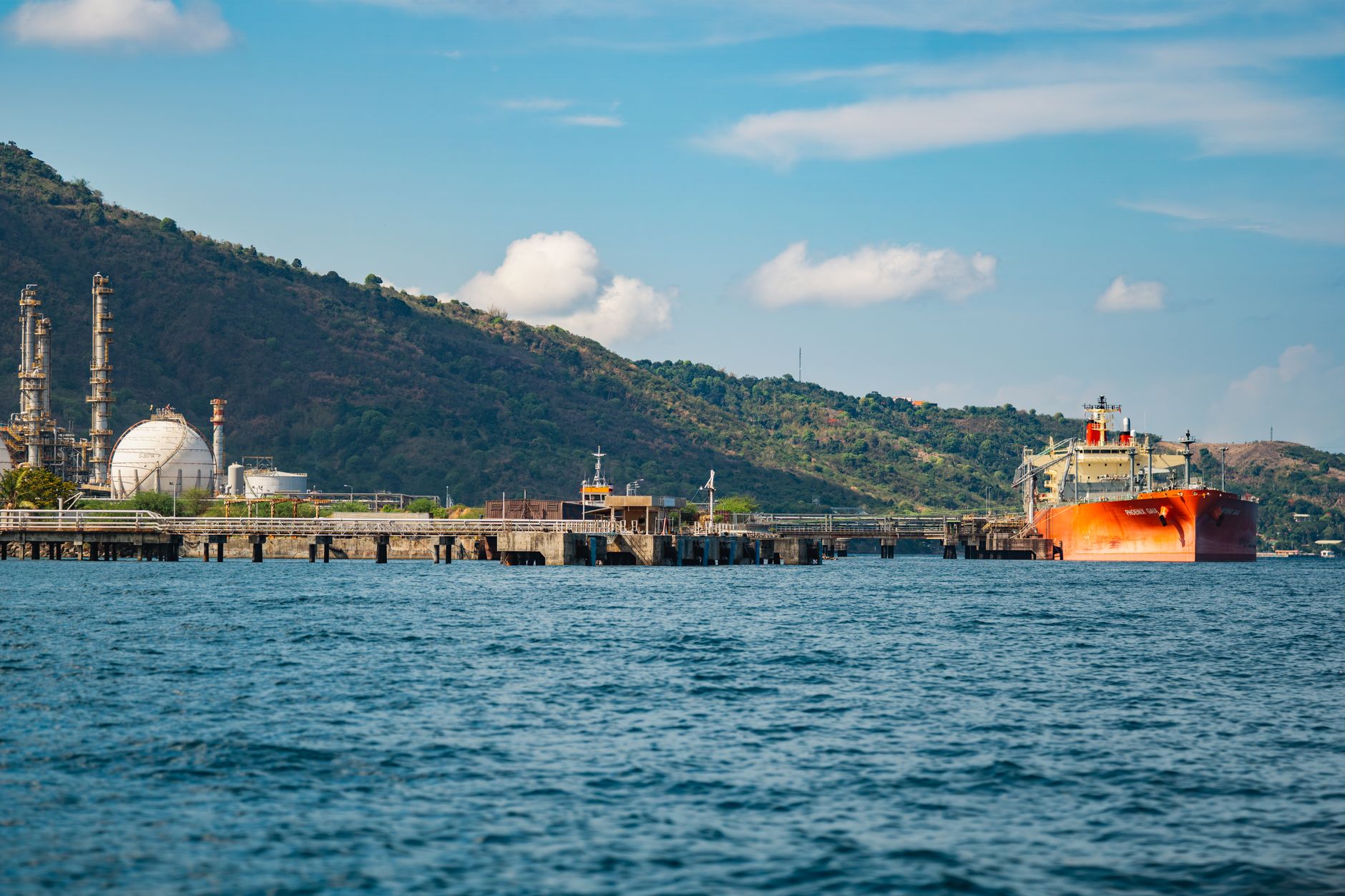
Saudi Arabia’s Ministry of Energy has been among the most prominent official voices tracking the situation. An official statement from the ministry outlined the kingdom’s position on disruptions affecting oil export flows through the corridor.
The Operational Toll on Tanker Traffic
Since the Houthis began targeting commercial shipping in late 2023 in response to Israeli military operations in Gaza, the volume of vessels willing to transit the Bab el-Mandeb Strait and the broader Red Sea has dropped sharply. Shipping companies have increasingly diverted vessels around the Cape of Good Hope, adding roughly two weeks of transit time and substantially higher fuel and operational costs per voyage. According to War Zone’s analysis, the cumulative effect on oil export logistics has worsened over time rather than stabilizing, with the threat environment remaining active enough to deter a return to normal routing patterns.
The Houthi campaign has employed a mix of anti-ship ballistic missiles, cruise missiles, and one-way attack drones — a combination that has proven difficult for naval escorts operating in the region to fully neutralize. Several vessels have sustained damage, and the persistent threat has been sufficient to push major tanker operators and their insurers toward the longer southern route even during periods of reduced attack frequency. The unpredictability of the campaign, rather than any single dramatic strike, appears to be the primary driver of continued avoidance.
Strategic and Economic Implications
The diversion of tanker traffic has measurable consequences for global energy supply chains. The Red Sea route is particularly significant for oil moving from Gulf producers to European and Asian markets; disruption forces exporters to absorb higher logistics costs, which can influence crude pricing and delivery timelines. For producers like Saudi Arabia — whose energy ministry has engaged publicly on the matter — the inability to use the most direct maritime export corridor represents both an economic friction and a sovereign concern tied to the stability of international shipping lanes.
The broader military dimension involves the continued deployment of U.S. and allied naval assets to the region, a commitment that carries its own financial and readiness costs. The question of whether sustained naval presence can meaningfully suppress the Houthi threat without a political resolution to the underlying conflict remains unresolved. As GDD has previously reported, the intersection of AI-enabled drone technology and irregular maritime warfare presents compounding challenges for conventional naval deterrence — a dynamic the Red Sea situation is actively illustrating in real time. For now, the structural conditions that have made the Red Sea increasingly inhospitable to commercial tanker traffic show little sign of reversing.