Carrier Gap in the Middle East Exposes the Navy’s Dwindling Margin for Sustained Presence
USS George Washington’s arrival in the Middle East ended a carrier gap, but the episode underscores deepening strain on the U.S. carrier fleet.
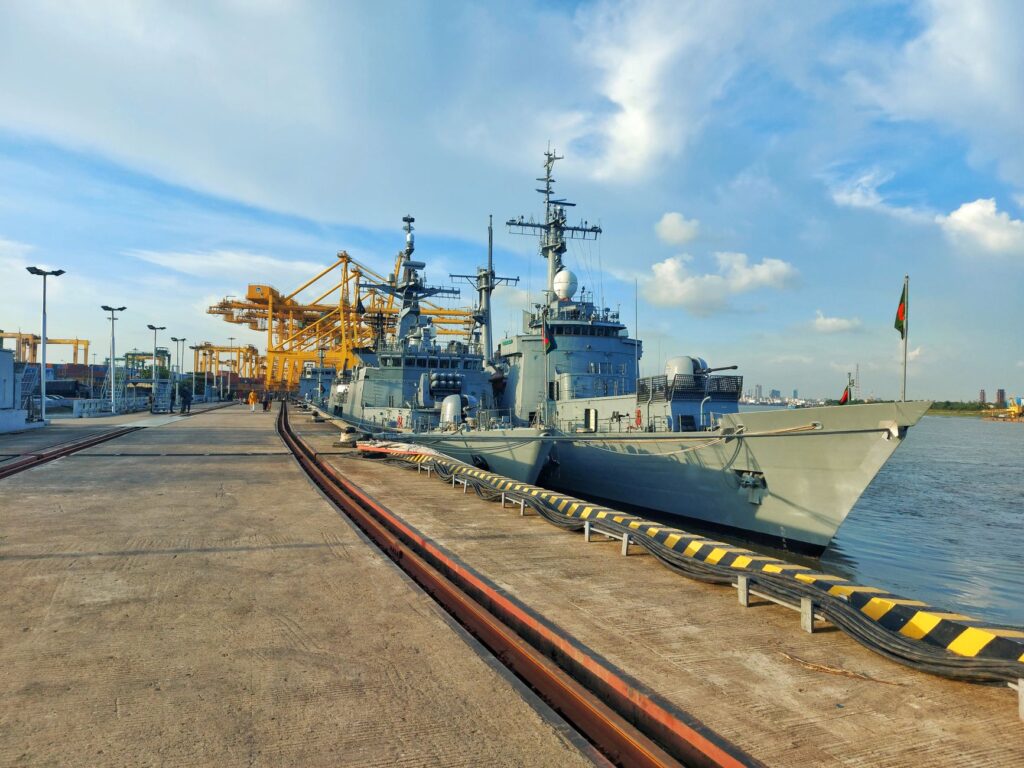
The USS George Washington has arrived in the U.S. Central Command area of responsibility, ending a period without a carrier strike group in the region that drew renewed attention to the Navy’s shrinking capacity to sustain continuous forward presence. The arrival, confirmed in a CENTCOM announcement on social media, signals a reconstitution of deterrent posture in the Middle East even as questions mount about how long the service can keep up the pace.
The gap itself — a window during which no carrier was operating in the region — is the kind of operational seam that commanders and analysts have warned about for years. As War Zone reported, the episode is less an isolated scheduling hiccup than a visible symptom of a force that is being asked to cover more theaters with fewer fully ready hulls. For a Navy managing simultaneous demands across the Indo-Pacific, the Atlantic, and the Middle East, the readiness pressures on individual ships and strike groups are compounding.
A Presence Gap With Strategic Implications
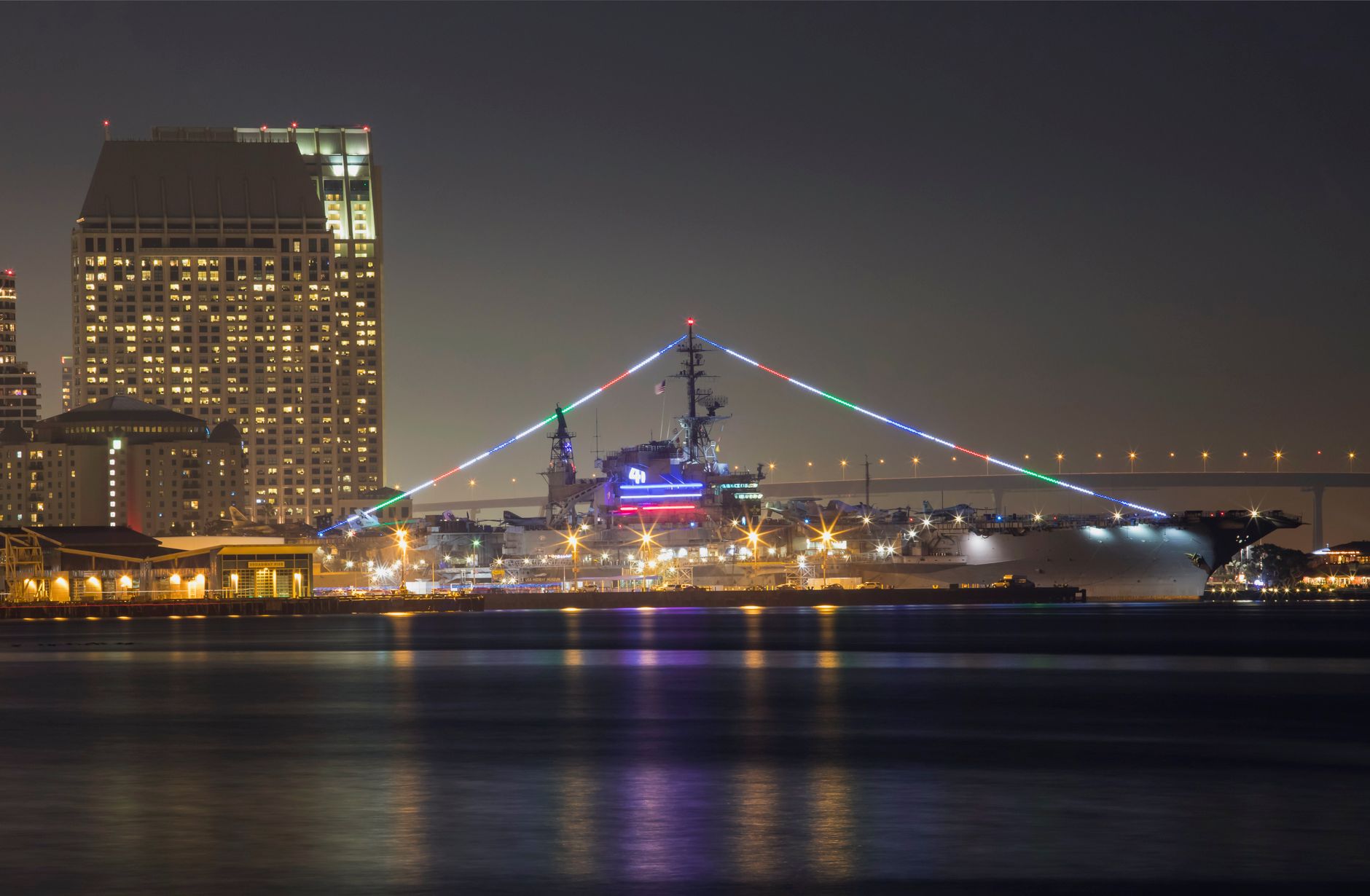
Carrier strike groups serve as the United States’ most visible instrument of maritime deterrence. Their presence — or absence — is read closely by regional actors, partners, and adversaries alike. A gap in coverage in the Middle East, even a temporary one, carries weight in a theater where Iran continues to develop its naval and missile capabilities and where Washington has maintained heightened pressure through sanctions and diplomatic channels. GDD has previously reported on how Iran-related pressure has become entangled with broader competition involving Beijing, adding layers of strategic consequence to U.S. posture decisions in the region.
Officials have not publicly detailed exactly how long the coverage gap lasted or which operational commitments were affected during the interim period. What the George Washington’s arrival does clarify is that CENTCOM again has a carrier strike group available to support operations, provide air power, and reinforce deterrence messaging — functions that land-based assets and surface combatants alone cannot fully replicate.
Structural Demand vs. Available Supply
The core problem the Navy faces is not unique to this deployment cycle. The service operates eleven carrier strike groups in principle, but the number available for tasking at any given moment is substantially lower once maintenance periods, training requirements, and transit times are factored in. The War Zone’s reporting frames the George Washington’s arrival not as a resolution to the underlying tension but as a temporary relief valve — one that restores presence while leaving intact the broader mismatch between global demand and available capacity.

Compounding the structural challenge is the reality that carrier strike group deployments are growing longer and more operationally intensive. Extended high-tempo tasking accelerates wear on hulls, propulsion systems, and airframes, creating maintenance backlogs that reduce the number of ready carriers in subsequent cycles. The Navy has acknowledged these readiness challenges in Congressional testimony and budget submissions, though the service has not publicly released a detailed timeline for closing the gap between requirements and available forces. Investments in platforms like the E-2D Hawkeye fleet represent one avenue for improving strike group capability at the margin, but hardware upgrades do not by themselves resolve the scheduling arithmetic that drives presence gaps.
The George Washington’s arrival in CENTCOM buys time and restores a posture that partners in the region will view as reassuring. Whether the Navy can sustain that presence through the remainder of the deployment cycle and rotate follow-on forces without another gap is the question defense planners are watching most closely.