Seventh Air Force Commander Takes Charge as Indo-Pacific Air Threats Intensify
A new Seventh Air Force commander inherits a demanding mission as China and North Korea sharpen their air and missile capabilities.
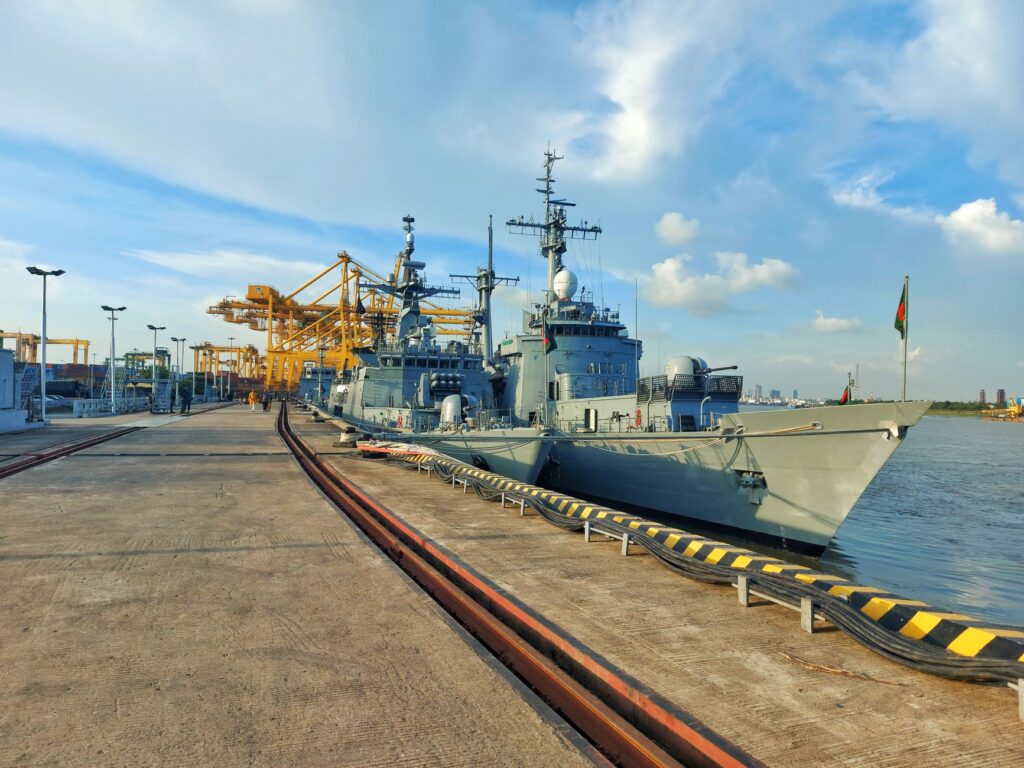
Maj. Gen. Scott Reynolds has assumed command of Seventh Air Force, the U.S. Air Force’s primary warfighting headquarters in the Pacific, stepping into a role that carries immediate operational weight as China accelerates its military aviation modernization and North Korea continues to expand its ballistic missile and drone capabilities. The leadership transition, reported by Space Forces Magazine, places Reynolds at the center of one of the most complex air-power environments in the world. The peninsula and the broader Indo-Pacific theater demand continuous deterrence management, and the new commander inherits a force already running at high operational tempo. Those pressures are compounded by the evolving threat picture that U.S. interceptor stockpiles and allied readiness must keep pace with.
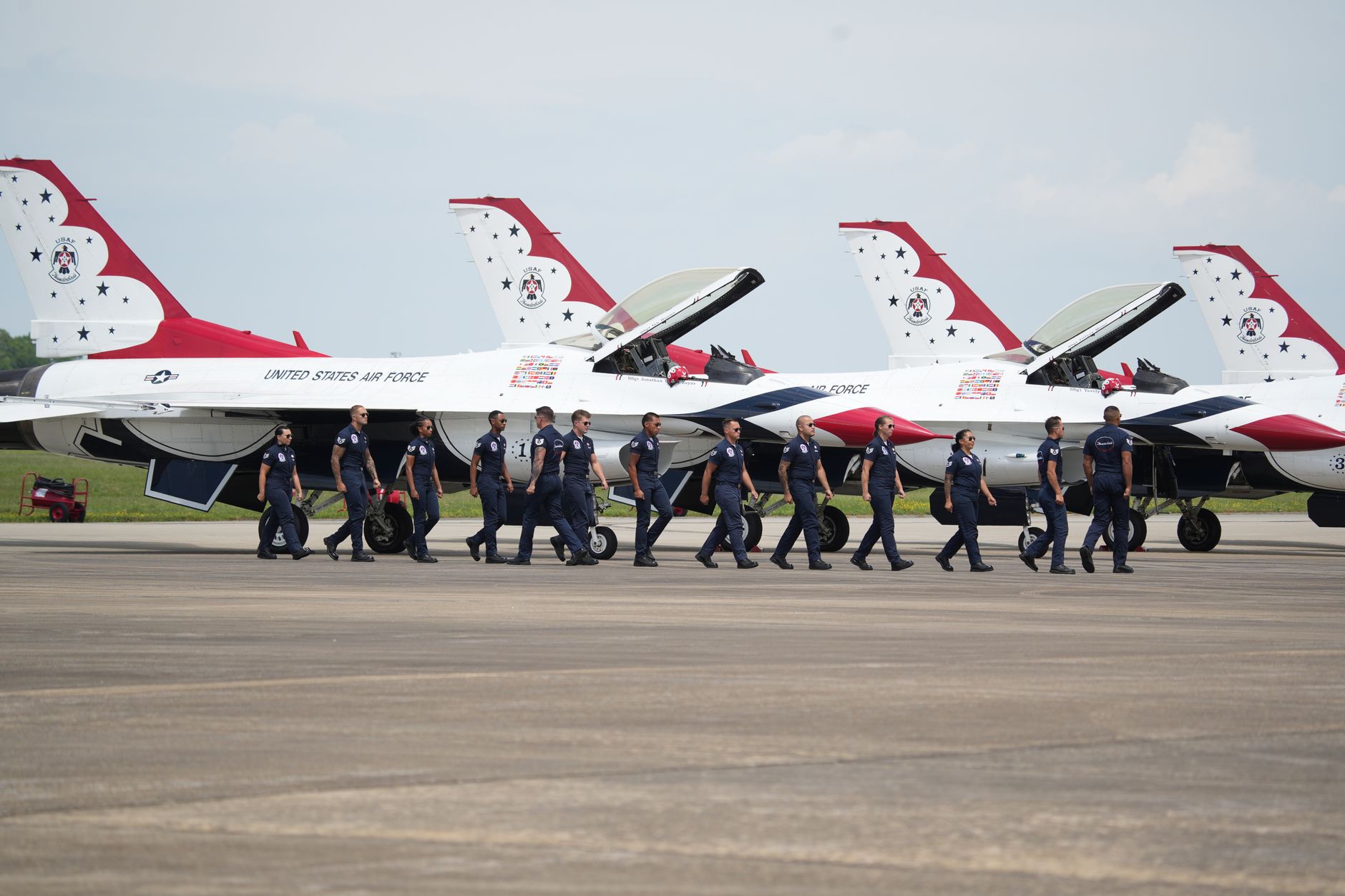
Seventh Air Force is headquartered at Osan Air Base in South Korea and serves as the air component of United States Forces Korea. Reynolds takes command at a moment when North Korea’s military activities, including its transfer of artillery munitions and personnel to support Russia’s war in Ukraine, have complicated the alliance calculus on the peninsula. Meanwhile, China’s People’s Liberation Army Air Force has continued to field advanced fourth- and fifth-generation aircraft, increase sortie rates near Taiwan, and improve its long-range strike and air-defense networks across the region.
A Deterrence Mission Stretched Across Two Fronts
The Seventh Air Force mission is fundamentally one of deterrence through presence and credibility, and Reynolds must sustain that posture with the forces and basing infrastructure available. Osan and Kunsan Air Bases in South Korea anchor the command’s day-to-day presence, but the broader deterrence architecture depends on rotational deployments, exercises, and interoperability with the Republic of Korea Air Force. North Korea’s development of suicide drones and continued ballistic missile testing adds a low-end threat layer that must be managed alongside the higher-end scenarios that drive planning against a more capable near-peer adversary.
Recent combined exercises on the peninsula have attempted to address both dimensions. U.S. Marines have participated in training events designed to stress allied ground and air-defense integration, as seen in Switchblade munitions deployments during Korean Peninsula drills. Air Force planners are working through how loitering munitions, electronic warfare assets, and fifth-generation fighters fit together in a contested environment where both Chinese and North Korean integrated air-defense systems are increasingly capable of threatening legacy strike packages.

Industrial and Readiness Pressures Behind the Mission
Reynolds also inherits structural challenges that extend beyond the theater itself. The Air Force has been managing a prolonged readiness strain driven by pilot shortfalls, aging aircraft fleets, and depot maintenance backlogs. Seventh Air Force is a downstream consumer of those enterprise-level decisions, meaning the aircraft availability rates and munitions stocks that Reynolds can count on are shaped by industrial and budgetary forces well outside his direct control. Air and Space Forces Magazine noted that the command must balance day-to-day deterrence on the peninsula with the demands of contingency planning for a potential large-scale conflict, a planning effort that now explicitly accounts for multi-domain operations against a Chinese military capable of contesting space, cyber, and electronic warfare domains simultaneously.
Allies remain central to the mission’s viability. South Korea operates its own advanced air-combat fleet, including F-35A aircraft, and has invested substantially in its air-defense network. Japan’s Air Self-Defense Force, also a partner in the broader theater architecture, is undergoing its own significant modernization. How Reynolds integrates those allied capabilities into combined warfighting concepts — and maintains the trust and interoperability required to execute them under pressure — will define much of his tenure at Seventh Air Force.