U.S. Merchant Mariners Face Growing Threat as Adversaries Turn Commercial Shipping Into a Target
American merchant mariners are increasingly vulnerable to state-sponsored targeting, and experts warn the U.S. has yet to build adequate protections.
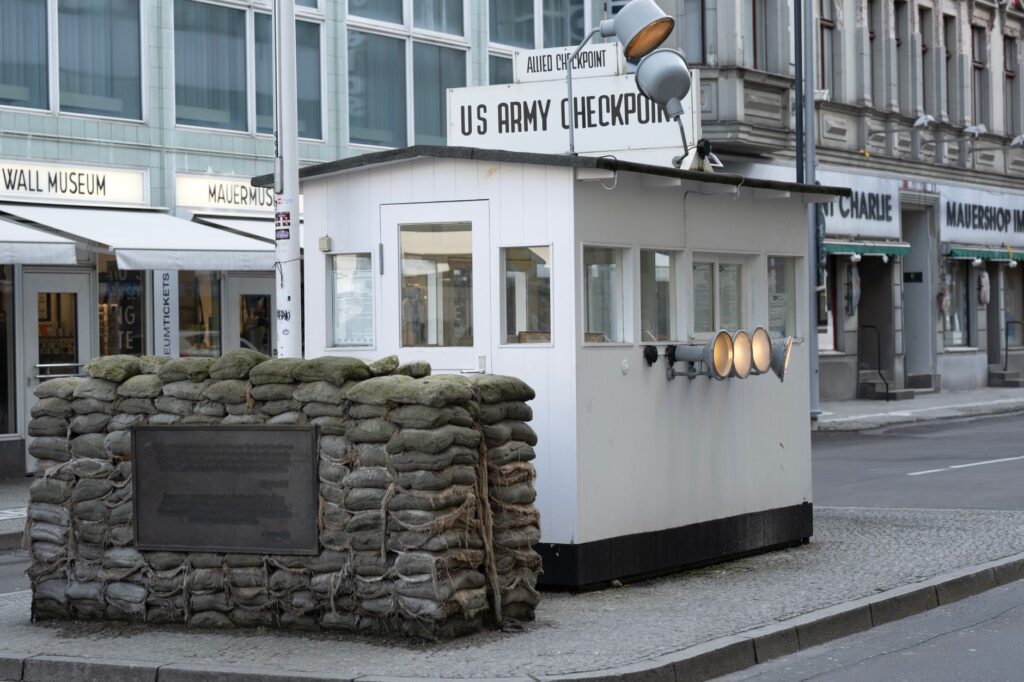
American merchant mariners are operating in an era of sharply elevated personal risk, as adversaries treat commercial shipping personnel not as civilians but as legitimate targets in an ongoing campaign of gray-zone pressure. A detailed analysis published by Forbes — Forbes reporting — argues that the United States has not kept pace with that shift, leaving a critical workforce exposed without adequate governmental protection frameworks, legal support, or institutional backing. The piece, by defense analyst Craig Hooper, contends that Washington’s failure to adapt places both individual mariners and broader national maritime security at risk.
The vulnerability of commercial mariners sits within a wider pattern of great-power competition at sea, where the line between civilian and combatant has been deliberately blurred by state actors. As the Heritage Foundation has separately warned about gaps in U.S. Pacific readiness, the merchant marine challenge reflects a parallel institutional deficit — one that spans personnel policy, legal jurisdiction, and federal interagency coordination rather than hardware alone.
A Workforce Without a Safety Net
Hooper’s analysis stresses that merchant mariners occupy an ambiguous legal and institutional space. They are not uniformed military personnel, yet in a conflict or near-conflict environment they may face detention, targeting, or coercion by hostile state actors. The existing support infrastructure — legal recourse, government intervention protocols, crisis communications — was largely designed for a lower-threat era and has not been reconfigured to address what amounts to deliberate adversarial pressure on civilian maritime labor.
The practical consequences for individual mariners are significant. Without clear federal mechanisms for extraction, legal defense, or hostage-situation response tailored to their status, American commercial seafarers transiting contested or hostile maritime corridors have limited recourse if detained or threatened. Hooper argues this gap is not incidental but systemic, reflecting decades of declining institutional investment in the merchant marine as a strategic asset rather than a purely commercial one.
The Strategic Case for Institutional Reform
Beyond individual welfare, the analysis frames the merchant marine’s vulnerability as a national security liability. Commercial shipping underpins logistics chains that the U.S. military depends upon for sustainment in any major contingency. If adversaries can deter, coerce, or interdict American-flagged mariners with limited fear of consequence, the downstream effects on military readiness and allied confidence could be substantial. Hooper calls for a coordinated federal response that treats merchant mariners as a protected strategic workforce rather than a residual category of labor outside the national security umbrella.

The argument has particular resonance against the backdrop of sustained naval pressure in key waterways, including the Red Sea corridor, where commercial vessels and their crews have faced direct attack. The tension between civilian status and operational exposure is no longer theoretical. Hooper’s piece stops short of prescribing a single legislative fix but calls for the kind of interagency architecture — spanning the Departments of Defense, State, and Transportation — that would give mariners meaningful protection and the government meaningful levers when crises arise. Whether Congress or the executive branch moves to act on that argument in any near-term legislative cycle remains to be seen, but the strategic logic behind it is difficult to dismiss in the current threat environment.
The broader readiness implications extend to force projection. Extended carrier deployments and crew strain across the surface fleet have already surfaced as points of institutional concern; adding a degraded or reluctant merchant marine to that picture compounds the sustainment risk in any high-end Pacific or Middle Eastern contingency.