Israeli Defense Researchers Are Developing Sensors That Detect Human Heartbeats at Range
Israeli defense researchers are testing radar-based biosensors capable of detecting human heartbeats from significant distances, with military applications in mind.
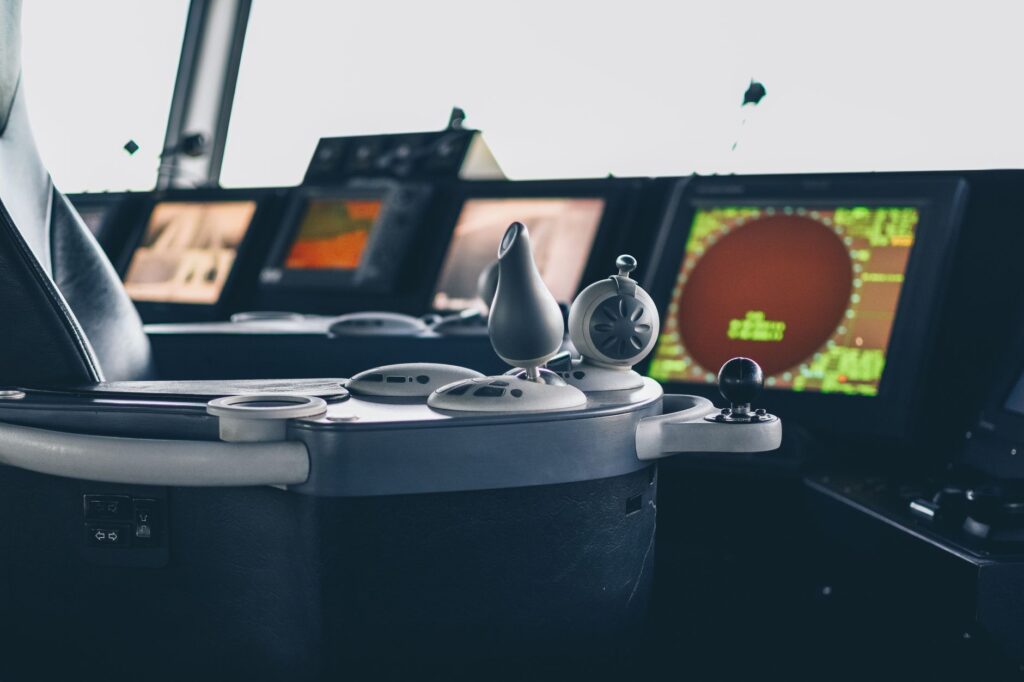
Israeli defense researchers and technology companies are working to develop sensor systems capable of detecting a human heartbeat from a distance of several kilometers, according to a Calcalist report on the emerging program. The effort represents one of the more ambitious applications of radar-based biosensing technology to reach the defense space, with implications for locating concealed combatants, hostages, and survivors in complex operational environments. The drive to field such a capability has accelerated in the context of recent Israeli military operations, where locating living individuals inside rubble, tunnels, and fortified structures has posed persistent operational challenges.
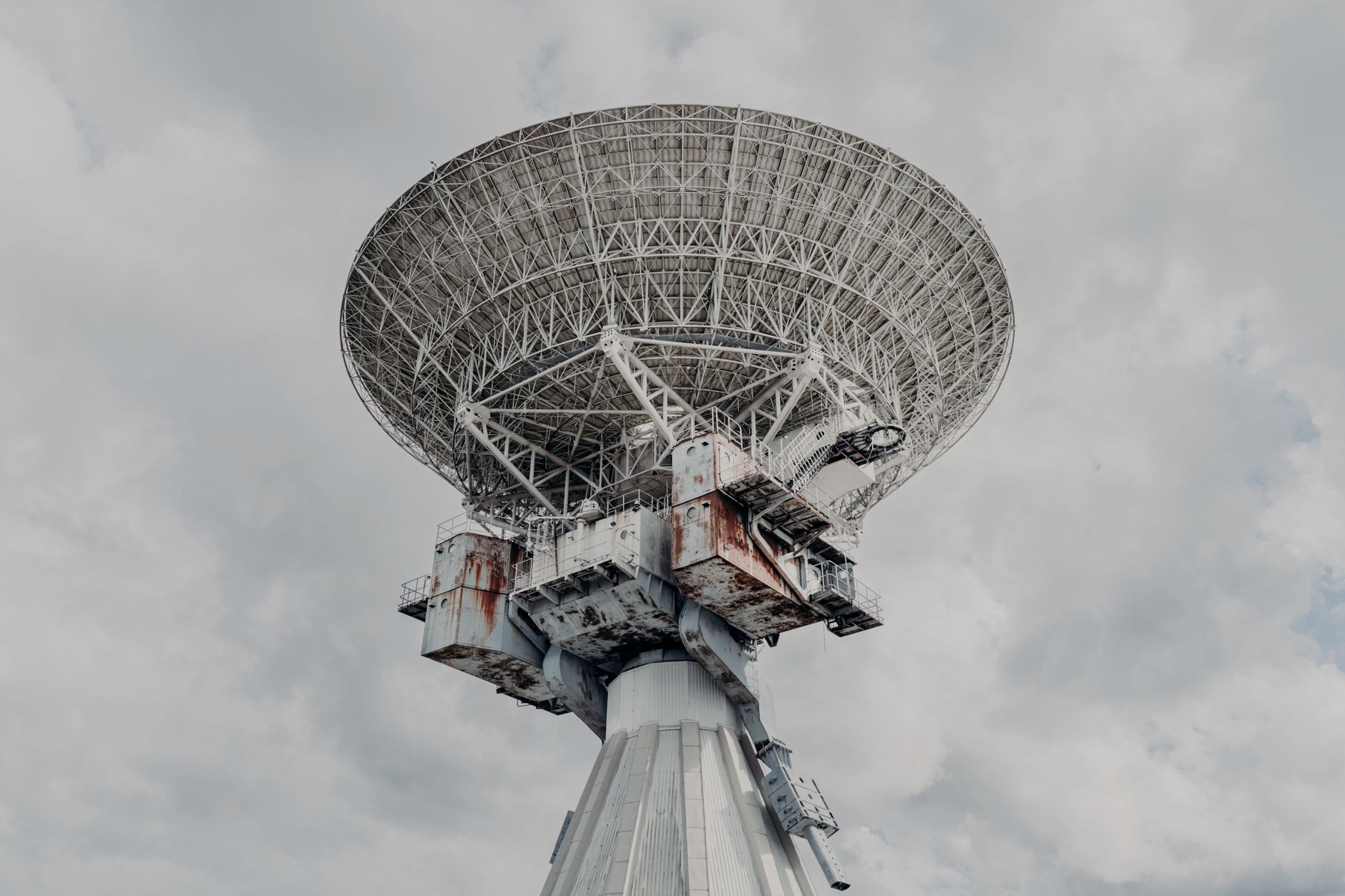
The technology under development draws on radar systems that can detect the minute physical movements associated with cardiac and respiratory activity — oscillations measured in millimeters — at distances that would previously have been considered impractical for non-contact physiological sensing. Work in this domain connects to a broader regional push toward AI-enabled military sensing, including AI task forces that regional militaries are standing up to accelerate exactly this kind of sensor-fusion capability.
Technical Basis and Range Ambitions
Radar-based vital-sign detection is not new to research laboratories, but translating the underlying physics into a fieldable military tool at distances of multiple kilometers is a substantially harder engineering problem. Commercially available systems have demonstrated the ability to detect breathing and heartbeat at ranges measured in tens of meters under controlled conditions. Scaling that to the kilometer-plus ranges that would give a military unit tactically useful standoff requires overcoming signal attenuation, clutter from foliage and structures, and the need to isolate a single biological signature from a noisy environment — technical challenges the Israeli effort is explicitly attempting to address, according to the Calcalist account.
The report does not specify which Israeli defense companies or government laboratories are leading the development, nor does it provide a timeline for a prototype or fielded system. Program funding figures and acquisition pathways were not disclosed in the source material. What the report does make clear is that the military requirement is real and that multiple Israeli technology players are understood to be working toward it, reflecting the country’s well-documented pattern of translating urgent operational problems into accelerated research programs. Israel’s defense-industrial base has previously demonstrated a similar approach in interceptor and sensor development, as seen in the ongoing effort to replenish interceptor stocks under operational pressure.
Operational Significance and Open Questions
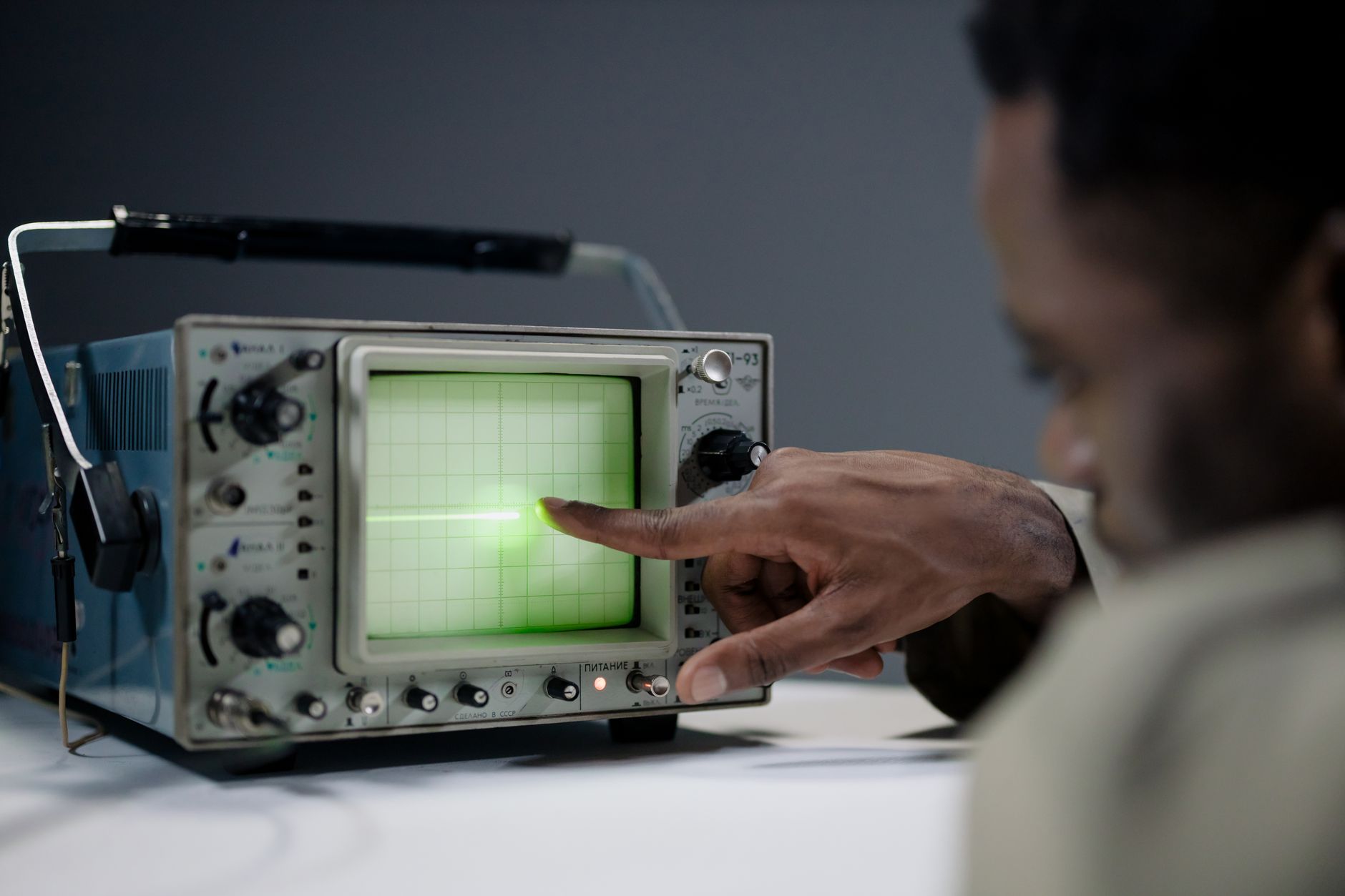
If realized at the ranges described, a remote cardiac-detection capability would give ground forces, search-and-rescue units, and intelligence teams a non-invasive means of confirming the presence of living individuals without breaching a structure or revealing their own position. In a hostage-recovery scenario or a post-strike assessment mission, the ability to distinguish between a living person and a body from a standoff distance could directly affect how commanders commit personnel and resources.
The same capability, however, carries inherent dual-use complexity. A sensor that can locate a living hostage can, in principle, locate any living person — a dimension that will draw scrutiny as the technology matures. Officials have not, based on available sourcing, addressed export-control frameworks or the rules-of-engagement implications of integrating such a sensor into targeting workflows. Those questions are likely to become more pressing as the program moves from research toward any form of operational evaluation. For now, the work remains at a stage where the ambition is clearer than the engineering solution, and independent verification of the claimed range parameters has not been published.