TRANSCOM Deploys AI Agents in Operational Setting for First Time During Epic Fury Exercise
U.S. Transportation Command used AI agents operationally for the first time during Exercise Epic Fury, marking a milestone in military logistics automation.
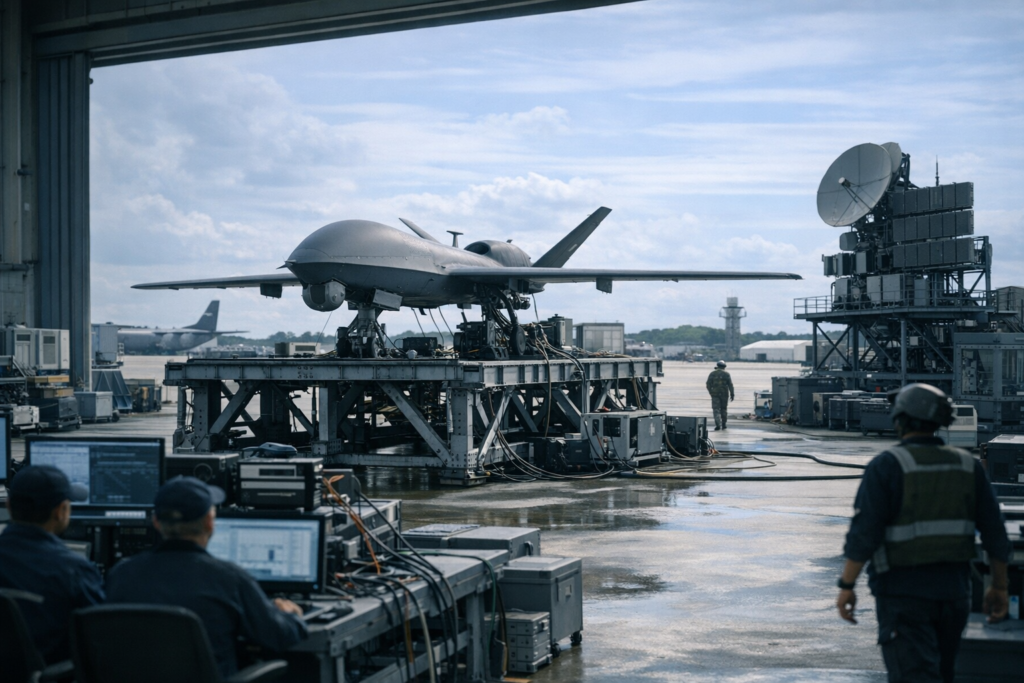
U.S. Transportation Command became the first combatant command to operationalize artificial intelligence agents during a major military exercise, deploying the technology throughout Exercise Epic Fury to assist with logistics planning and decision support. The development, reported by & Space Forces Magazine, marks a concrete shift from AI experimentation to operational integration within one of the Pentagon’s most logistics-intensive commands. As the Defense Department continues pushing to embed autonomous tools across its enterprise, TRANSCOM’s move represents one of the clearest field demonstrations of that effort to date. The broader drive to operationalize AI across combatant commands has been mirrored in adjacent domains, including the uncrewed vessel deployments the Pentagon has pursued against Iranian forces in the maritime environment.
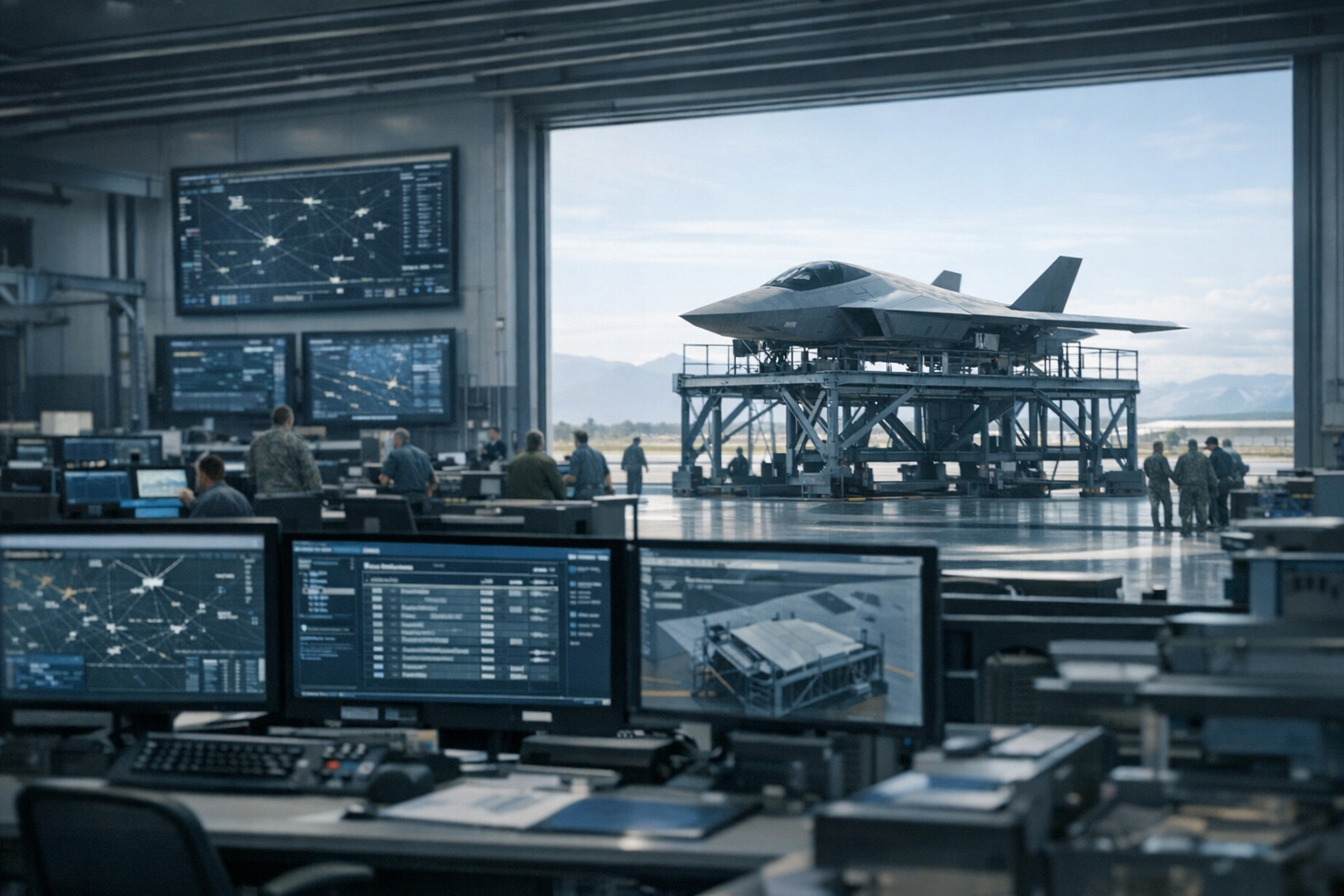
Epic Fury is a TRANSCOM exercise designed to stress-test the command’s ability to move personnel, equipment, and supplies at scale under realistic operational pressures. Introducing AI agents into that environment — rather than a controlled laboratory setting — gave planners the opportunity to evaluate how the technology performs when the data is live, the timelines are compressed, and the stakes are representative of real-world contingency operations. Officials have described the exercise as a meaningful proof of concept, though the command has not publicly detailed every specific task the agents performed or the full scope of systems they interfaced with during the event.
What the Agents Actually Did
According to the Air & Space Forces Magazine report, the AI agents were used to support logistics workflows during the exercise, helping TRANSCOM personnel process and synthesize information more rapidly than traditional staffing methods allow. The agents functioned with a degree of autonomy, taking assigned tasks and working through them without requiring a human to manually direct each step — a distinction that separates agents from simpler AI tools such as chatbots or recommendation engines. TRANSCOM officials indicated the technology helped reduce the cognitive burden on staff during high-tempo planning periods.
The command has not publicly confirmed the specific vendors or underlying platforms powering the agents used during Epic Fury, nor has it released quantitative performance metrics from the exercise. What officials have emphasized is the operational context itself: this was not a tabletop or sandbox demonstration but a functioning exercise environment where the outputs of those agents were visible to and usable by real planners working real problems. That distinction is significant for a community that has watched many AI pilots stall at the prototype stage.
Strategic Weight of the Milestone
TRANSCOM’s role in any large-scale conflict scenario — particularly one involving the Indo-Pacific — is foundational. The command is responsible for the global movement of troops and materiel, and any friction in that process translates directly into delays that affect warfighting capacity. Embedding AI agents into logistics planning workflows, even incrementally, carries real operational implications: faster throughput analysis, better deconfliction of airlift and sealift assets, and reduced manpower demands on a headquarters staff that would be stretched during a major contingency.
The exercise result also signals something about TRANSCOM’s institutional appetite for moving beyond the pilot phase. Many Pentagon AI programs have cycled through demonstration after demonstration without crossing into operational use. TRANSCOM’s decision to integrate agents into Epic Fury — an exercise with defined operational objectives, not a science experiment — suggests the command is prepared to treat AI as a logistics tool rather than a future-force curiosity. Whether the approach scales and survives contact with the full complexity of a real-world deployment remains to be seen, but the Epic Fury milestone gives the command a concrete baseline from which to measure progress.