Khamenei Threatens to Block Hormuz as Iran Signals Escalation Beyond Nuclear Sites
Iran’s supreme leader warns the U.S. of consequences including a potential Strait of Hormuz closure as regional tensions sharpen.
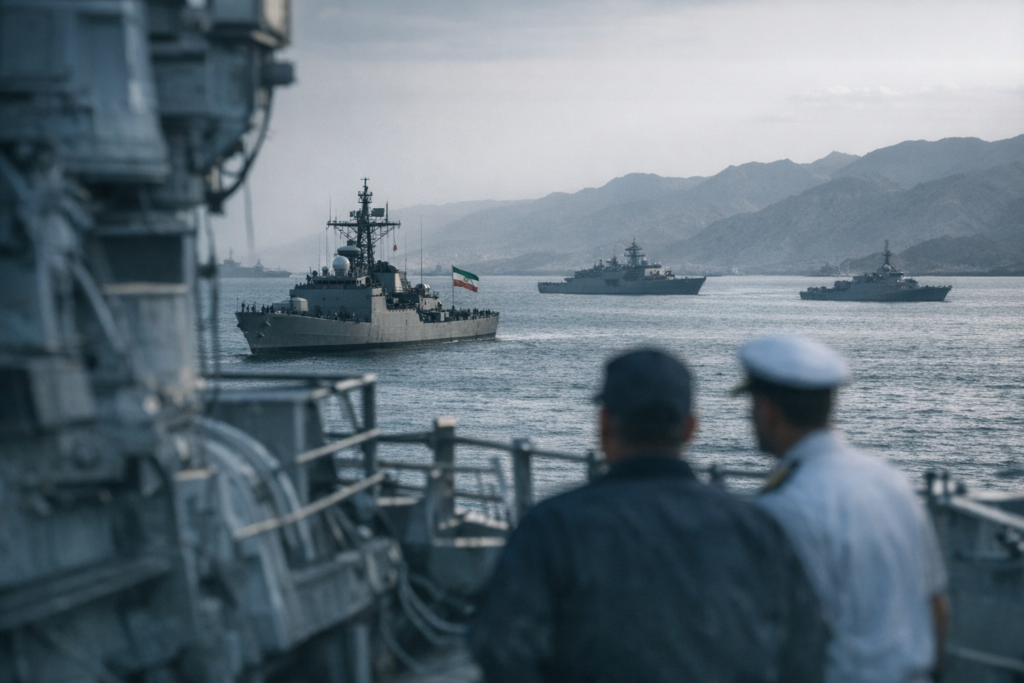
Iran’s Supreme Leader Ayatollah Ali Khamenei issued a stark public warning to the United States on Friday, threatening consequences that could include disruption to the Strait of Hormuz — the narrow waterway through which a significant share of the world’s seaborne oil passes — as the two countries remain locked in a dangerous cycle of military exchanges, according to AP reporting on the statement. The warning came amid an intensifying conflict in which U.S. forces have struck Iranian targets and Iran has retaliated, raising fears that the confrontation could expand well beyond its origins in Iran’s nuclear program.
Khamenei’s remarks represent one of Tehran’s most direct invocations of the Hormuz threat in the current conflict, signaling that Iranian leadership is prepared to escalate the economic and strategic cost to the United States and its partners if military pressure continues. Officials have not confirmed specific operational steps Iran may be preparing to take in the strait.
A Waterway at the Center of the Crisis
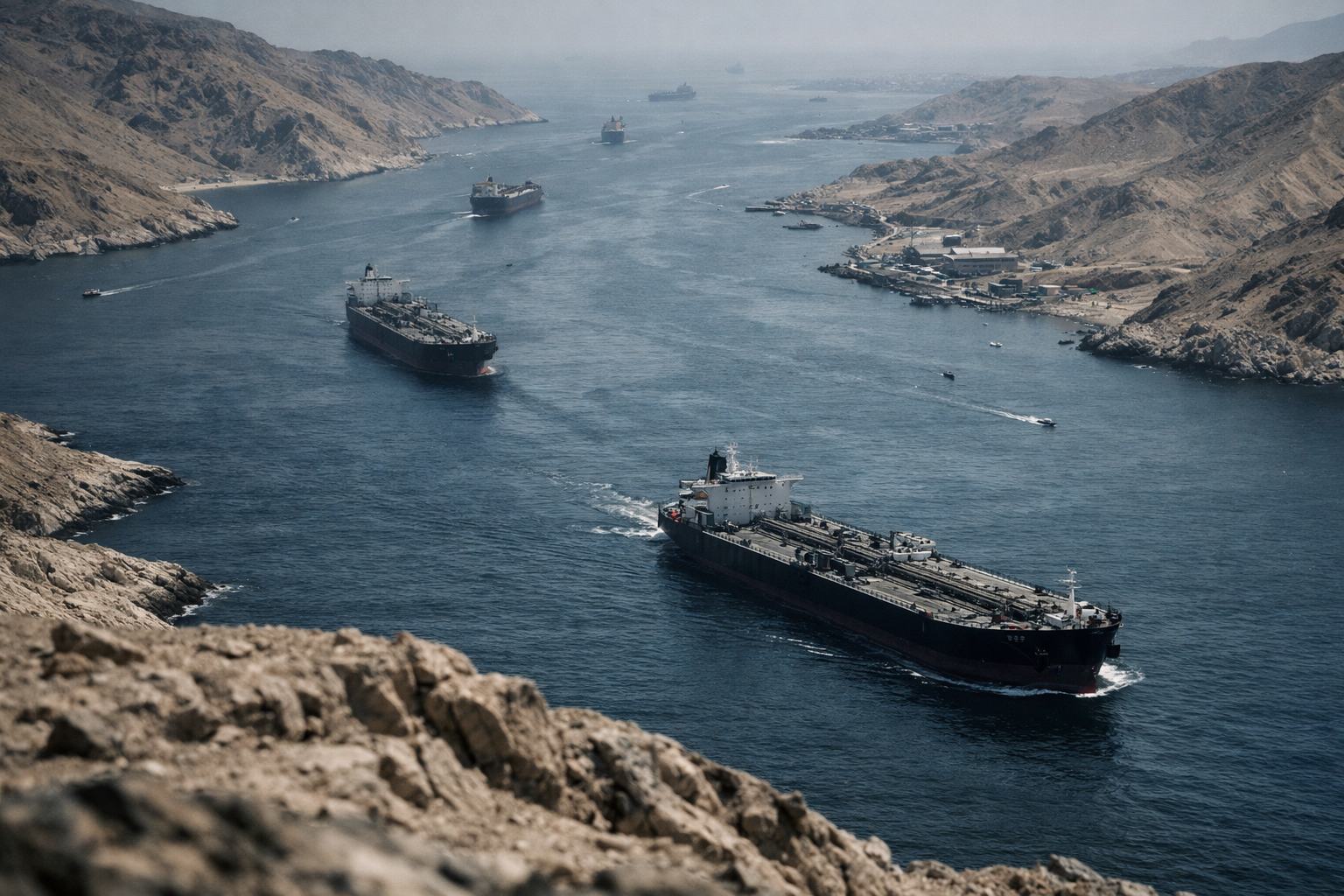
The Strait of Hormuz carries roughly one-fifth of the world’s oil supply, making any credible threat to navigation there an immediate concern for energy markets and U.S. allies in the region and beyond. Iran has previously used the specter of a Hormuz closure as leverage during periods of maximum pressure, and analysts have long regarded it as Tehran’s most potent asymmetric economic instrument. The latest warning from Khamenei gives that threat renewed urgency given the active state of hostilities.
Earlier in the conflict, Iran directed oil tankers in the Strait of Hormuz to use approved routes, a move that further signaled Tehran’s intent to assert control over commercial traffic through the waterway. That directive, combined with Friday’s supreme leader statement, reflects a deliberate escalation in Iran’s messaging around maritime access.
Strikes, Retaliation, and an Expanding Conflict
The backdrop to Khamenei’s warning is a conflict that has already seen significant kinetic exchanges. U.S. forces conducted strikes on Iranian targets, and Iran responded with attacks that have drawn further American military action. Following the conclusion of a round of U.S. strikes, mysterious airstrikes hit Iran, the origin of which has not been officially confirmed — a detail that points to how many actors and vectors are now active in the theater. The situation has grown complex enough that attribution itself has become contested.
U.S. forces subsequently struck Iran’s Revolutionary Guard after an attack killed American troops in Jordan, according to separate AP coverage of that exchange. The cycle of action and retaliation has deepened the military engagement beyond what either side appeared to anticipate in the early stages of the confrontation, and Khamenei’s Hormuz warning suggests Tehran may be searching for leverage that extends beyond direct military tit-for-tat.
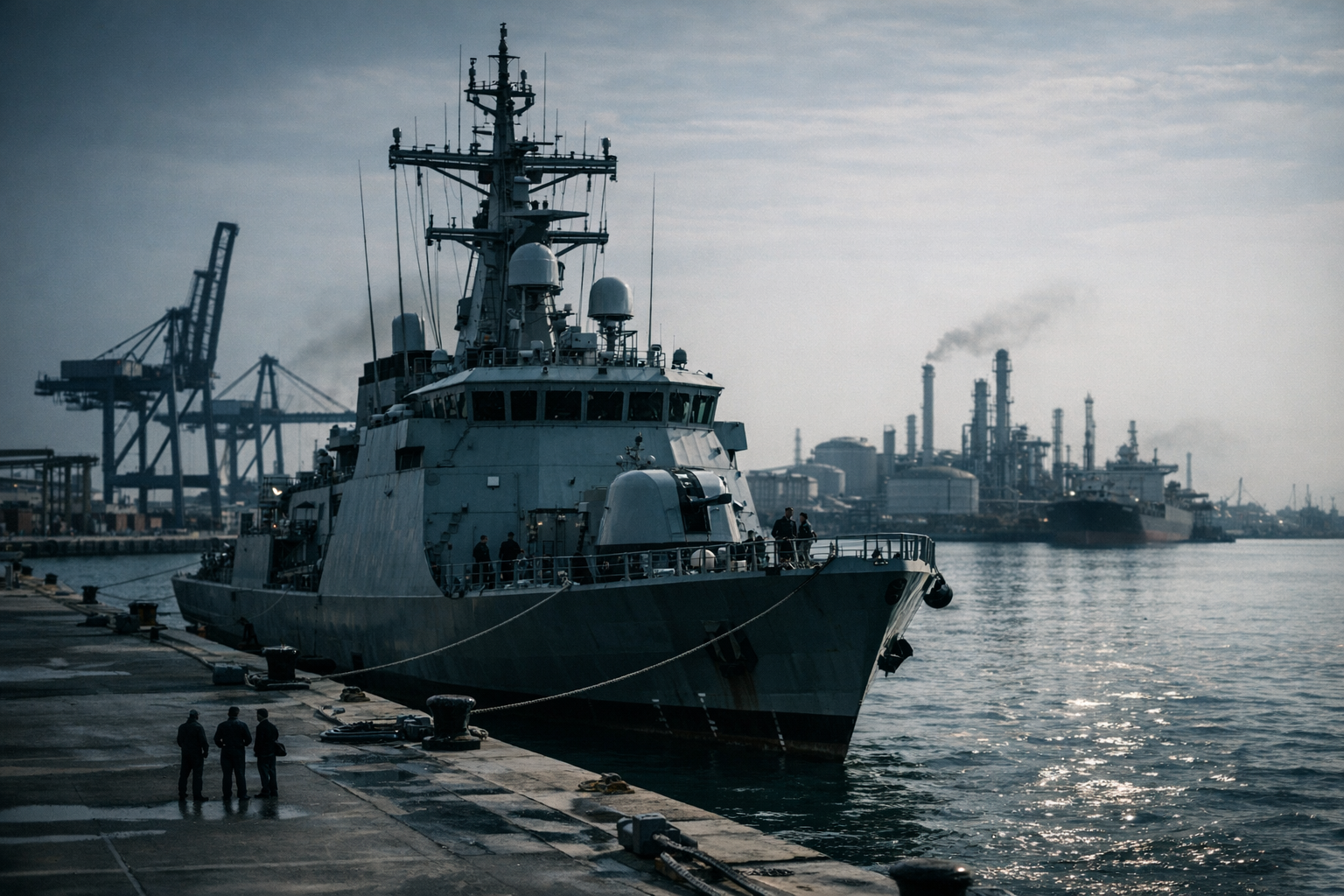
The pressure on maritime routes comes as Congress has sought greater transparency into U.S. operations in the region. GDD has previously covered lawmakers pushing for answers on specific incidents, including scrutiny detailed in our reporting on school strike probe. The naval dimension of the conflict has also expanded in new directions, as explored in GDD’s earlier coverage of the sea drone strike on an Iranian port. How far either side is willing to extend that envelope — particularly in the waters around Hormuz — now stands as one of the conflict’s most consequential open questions.