Trump-Era Pressure on NATO Allies Linked to Rising Defense Spending but Gaps Persist
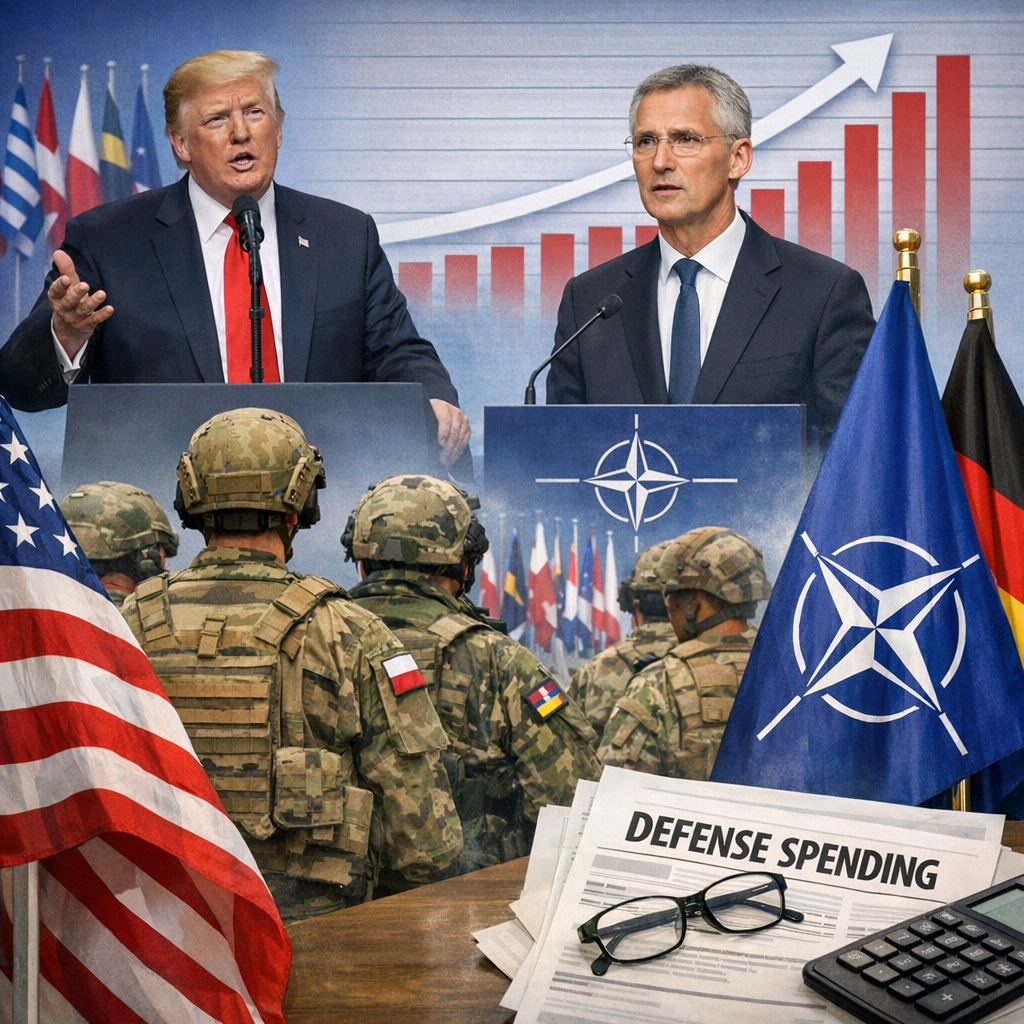
A recent Fox News article titled “Trump’s NATO gamble pays off; envoy names allies he’s still watching” argues that former President Donald Trump’s confrontational approach to NATO burden-sharing produced measurable gains in defense spending among allied nations. According to the report, a senior envoy credited sustained pressure from Washington during Trump’s administration with prompting several members of the alliance to increase their military budgets, while also noting that some countries continue to fall short of agreed targets.
The Fox News piece frames Trump’s strategy—marked by public criticism of allies and repeated demands that NATO members meet the alliance’s benchmark of spending 2 percent of GDP on defense—as a calculated risk that ultimately yielded results. During his presidency, Trump frequently warned that the United States might reevaluate its commitments if partners did not contribute more equitably, a posture that drew sharp criticism from some European leaders who saw it as undermining alliance unity within NATO.
According to the envoy cited in the article, however, the pressure campaign helped shift longstanding patterns. Several NATO countries have increased defense expenditures in recent years, a trend that has accelerated amid rising geopolitical tensions, particularly following Russia’s invasion of Ukraine. The envoy suggested that while external threats have played a significant role, earlier U.S. insistence on burden-sharing helped lay the groundwork for these changes.
At the same time, the Fox News report underscores that disparities remain within the alliance. Some member states continue to lag behind the 2 percent target, raising ongoing concerns in Washington about uneven contributions. The envoy reportedly identified specific countries that remain under close scrutiny, signaling that the issue of defense spending is not fully resolved despite recent progress.
The broader debate over NATO funding has persisted across administrations. While President Joe Biden has adopted a more traditional diplomatic tone and emphasized alliance cohesion, his administration has also quietly encouraged continued increases in allied defense budgets, as reflected in official White House statements on NATO commitments. The convergence suggests that, regardless of style, successive U.S. governments have maintained a consistent underlying objective: persuading European partners to assume a greater share of collective security costs.
Critics of Trump’s approach have long argued that his rhetoric risked eroding trust among allies and emboldening adversaries by casting doubt on U.S. commitments. Supporters, as reflected in the Fox News article, counter that the results—measurable increases in spending and heightened awareness of defense obligations—justify the tactic.
As NATO continues to adapt to an evolving security landscape, including heightened tensions with Russia and concerns about global instability, the question of equitable burden-sharing is likely to remain central. The Fox News report suggests that while Trump’s strategy may have shifted the conversation and contributed to tangible changes, the alliance still faces the challenge of ensuring consistent commitments across all its members, as highlighted in recent NATO defense spending reports.