France and Germany Scrap Joint Next-Generation Fighter Jet Project Amid Industrial Disputes
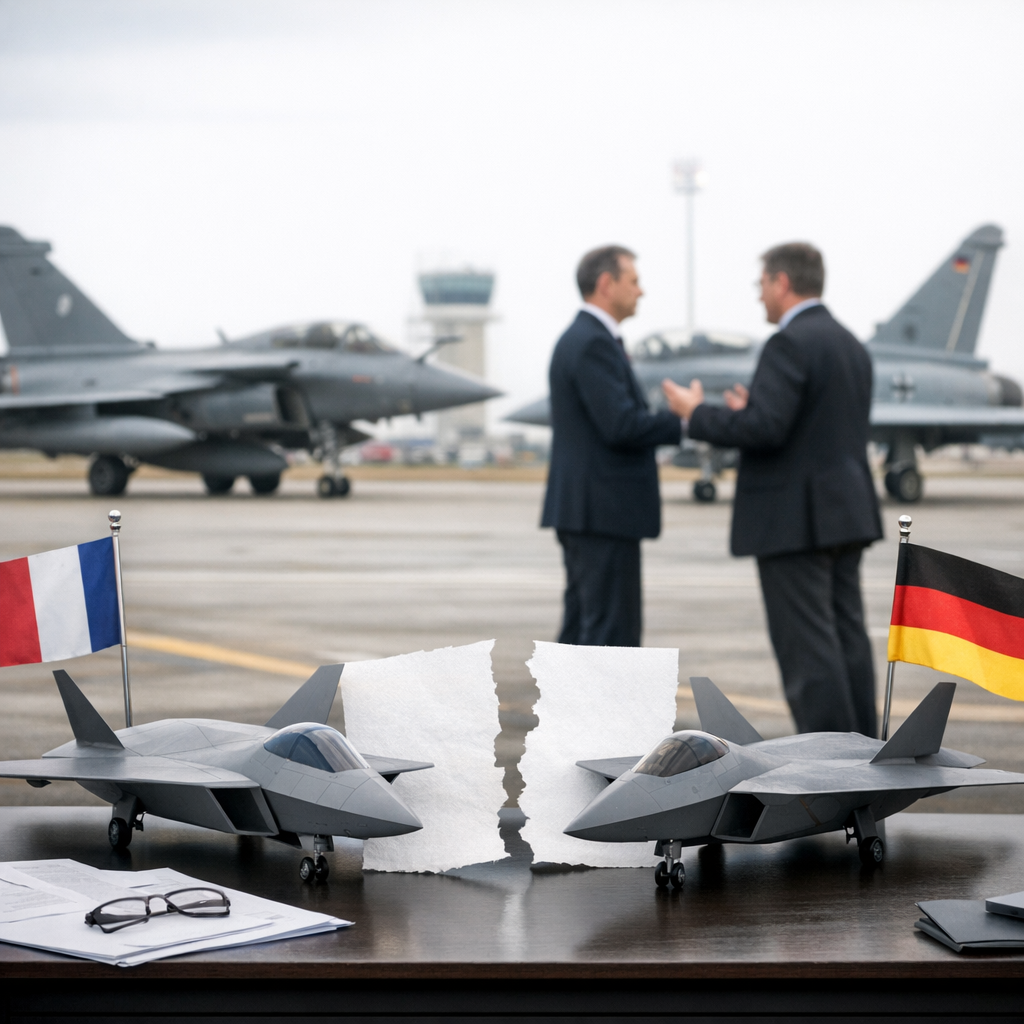
Germany and France have abandoned plans for a jointly developed next-generation fighter jet, marking a significant setback for one of Europe’s most ambitious defense cooperation efforts and raising broader questions about the future of multinational procurement on the continent.
According to the Defense News report titled “Germany and France drop joint fighter jet project,” published on its global Europe section, the decision follows prolonged disagreements over industrial leadership, intellectual property rights, and the division of work between national defense firms. The project, widely seen as a cornerstone of European strategic autonomy, had been intended to produce a sixth-generation combat aircraft capable of competing with American and Chinese systems.
Officials from both countries had long framed the collaboration as a symbol of deepening defense integration within the European Union. However, persistent tensions between major contractors — particularly France’s Dassault Aviation and Germany’s Airbus Defence and Space — complicated progress. Disputes over design authority and technology sharing proved especially difficult to resolve, reflecting deeper national priorities tied to domestic industry and sovereignty.
The collapse of the program is likely to have immediate and long-term consequences. In the near term, it leaves both countries without a unified pathway to replace aging fighter fleets, potentially forcing them to pursue separate development tracks or expand purchases of existing platforms such as the F-35. Over time, it may weaken Europe’s ability to consolidate defense capabilities amid growing security challenges, including Russia’s continued military pressure and evolving global competition in advanced aerospace systems.
The failed initiative also underscores a recurring pattern in European defense cooperation, where political ambition often collides with industrial rivalry. While joint programs can offer economies of scale and increased interoperability, they frequently encounter delays and cost overruns stemming from competing national interests, a trend also highlighted in analyses of multinational projects by NATO.
Analysts note that the unraveling of the Franco-German fighter effort could impact related cooperative projects, including broader future combat air system concepts that rely on interconnected technologies such as drones, sensors, and networked warfare capabilities. The dissolution may also prompt other European partners to reassess their roles or commitments.
At the same time, the development may open opportunities for alternative partnerships. Countries seeking to advance next-generation air combat systems could look to new bilateral or multilateral arrangements, potentially reshaping alliances within Europe’s defense-industrial landscape.
While officials have not ruled out future cooperation entirely, the breakup signals a clear shift away from one of Europe’s most high-profile joint defense ventures. As reported by Defense News, the episode highlights how strategic alignment at the political level can falter when confronted with the practical realities of defense manufacturing and national interest.