Doctors Question Gaps in Trump Health Report
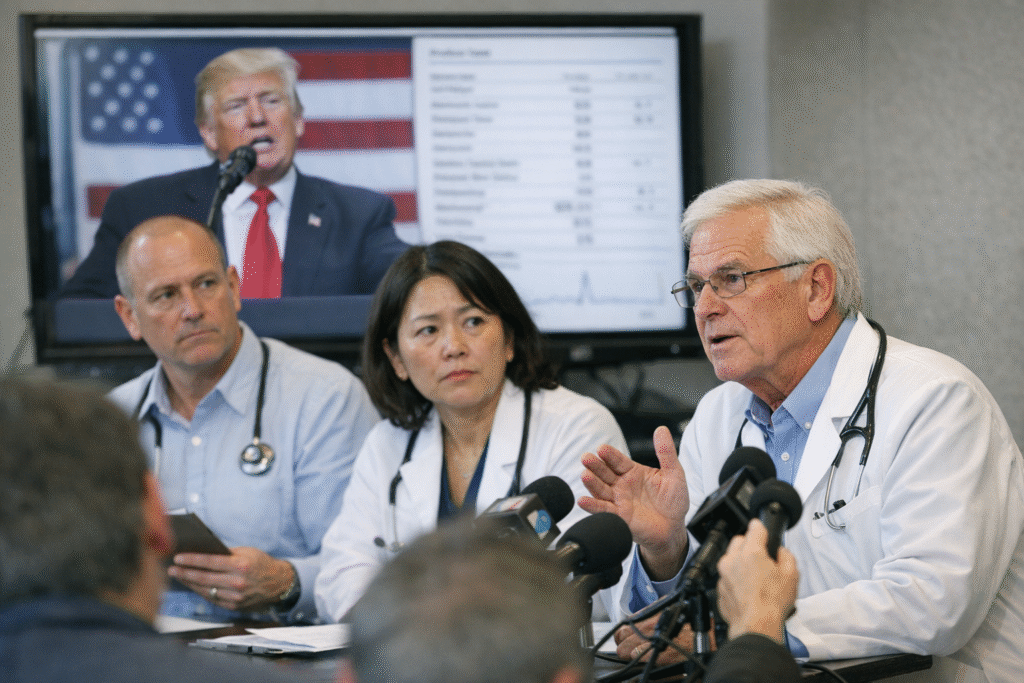
Questions about the completeness and transparency of former President Donald Trump’s health disclosures have resurfaced following a recent review of his medical records, as reported in the Wall Street Journal article “In Trump’s Physical Report, Doctors See Gaps in Details.”
According to the Journal’s reporting, medical experts who examined the publicly released information noted that the documentation lacks key details typically included in comprehensive presidential health reports. While the records provide a general overview of Trump’s condition and affirm that he is in good health, several physicians pointed out omissions in areas such as cardiovascular risk factors, medication history, and the methodology behind certain test results.
Such gaps, the experts argued, make it difficult to independently assess the former president’s overall health status. Standard presidential medical disclosures have historically included more extensive data, offering a clearer picture of fitness for office and allowing for external evaluation by medical professionals. In contrast, the information released in Trump’s case appears more limited, raising concerns about consistency with past norms.
The issue of presidential health transparency has long been politically sensitive, with candidates balancing privacy against public interest. In Trump’s case, previous statements about his health have at times drawn scrutiny from medical professionals and political observers alike. The latest report, as described by the Wall Street Journal, continues that pattern by providing broad assurances while leaving specific clinical questions unanswered.
Some physicians cited in the report emphasized that without detailed metrics—such as imaging results, stress test data, or a fuller accounting of laboratory findings—it is difficult to verify claims about cardiovascular health, a key concern given Trump’s age. Others noted that the absence of context around certain figures, including weight and cholesterol levels over time, limits the ability to evaluate trends that could indicate underlying risks.
Supporters of the former president have argued that the available information is sufficient and that demands for deeper disclosure can be politically motivated. However, medical experts interviewed by the Journal framed their concerns in professional rather than political terms, emphasizing the importance of standardized reporting for individuals seeking or holding the presidency.
The broader debate reflects an ongoing tension in American political life: how much health information the public is entitled to when evaluating national leaders. While there is no formal requirement dictating the scope of such disclosures, precedents set by previous administrations have shaped expectations for transparency.
As the Wall Street Journal’s reporting underscores, those expectations remain unmet for some observers in Trump’s case, leaving unresolved questions about the completeness of the information provided and the standards applied to presidential medical reporting.