Swiss Trace Rare Hantavirus Case Amid Concerns
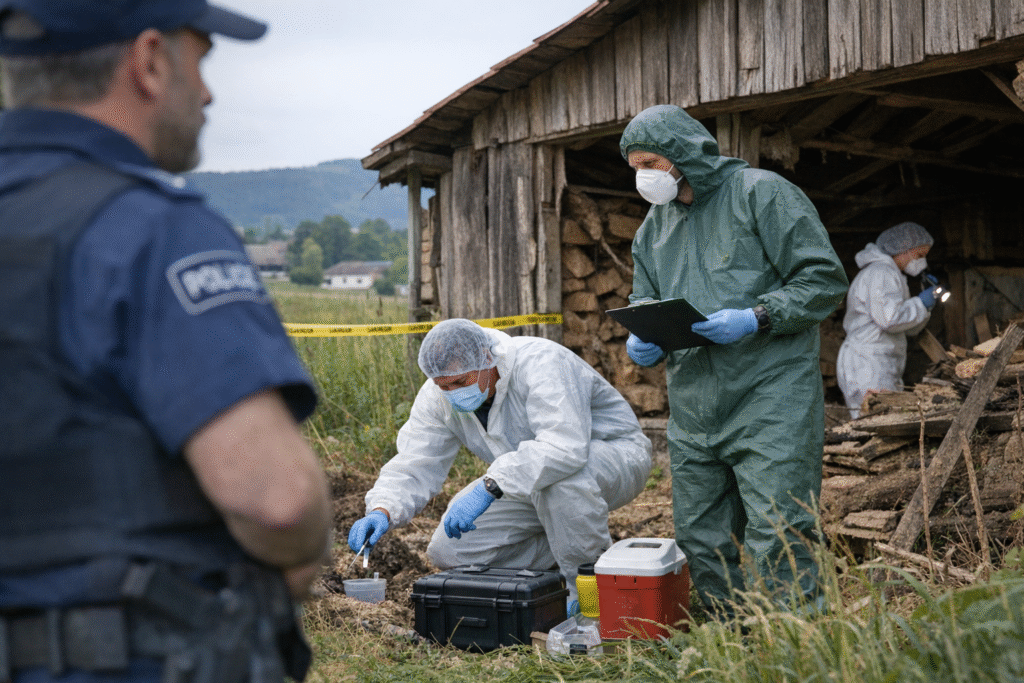
Swiss health authorities are racing to trace contacts after a rare and potentially deadly hantavirus case was identified, prompting concern among public health officials and renewed scrutiny of Europe’s preparedness for zoonotic diseases.
According to reporting by The Wall Street Journal in its article “Hantavirus Case in Switzerland Spurs Race to Trace Contacts,” officials confirmed that the infected individual had been in contact with multiple people, triggering a comprehensive tracing effort aimed at containing any possible spread. While hantavirus infections are typically associated with exposure to rodents rather than human-to-human transmission, authorities have moved quickly out of an abundance of caution.
The case has drawn attention not only because of the disease’s severity but also because hantavirus infections remain relatively uncommon in Switzerland. The virus, which can cause severe respiratory illness or kidney complications depending on the strain, is primarily transmitted through contact with infected rodent droppings, urine, or saliva. Symptoms can progress rapidly, making early detection and isolation critical.
Swiss public health agencies have emphasized that the risk to the broader population remains low. Nonetheless, the contact-tracing effort reflects lessons learned from recent global health crises, where delays in identifying and isolating potential exposures allowed outbreaks to escalate. Authorities are reportedly monitoring those who had close contact with the infected individual and advising them on symptoms and precautionary measures.
Experts say the incident underscores the persistent threat posed by zoonotic diseases, particularly in regions where human interaction with wildlife habitats is increasing. Although hantavirus outbreaks are more commonly reported in parts of Asia and the Americas, sporadic cases in Europe are not unprecedented. Climate shifts and ecological changes have been linked to fluctuations in rodent populations, which in turn can affect transmission risks.
The response in Switzerland appears to be guided by a precautionary principle, reflecting heightened vigilance since the COVID-19 pandemic. Rapid response protocols, including contact tracing and public communication, have become standard tools even for limited or isolated cases of infectious disease.
Health officials have not indicated any evidence of sustained transmission, but they continue to monitor the situation closely. The case serves as a reminder that even relatively rare pathogens can prompt significant public health responses, particularly in an era of heightened awareness about infectious disease threats.