Spirit JetBlue Merger Collapse Signals Antitrust Shift
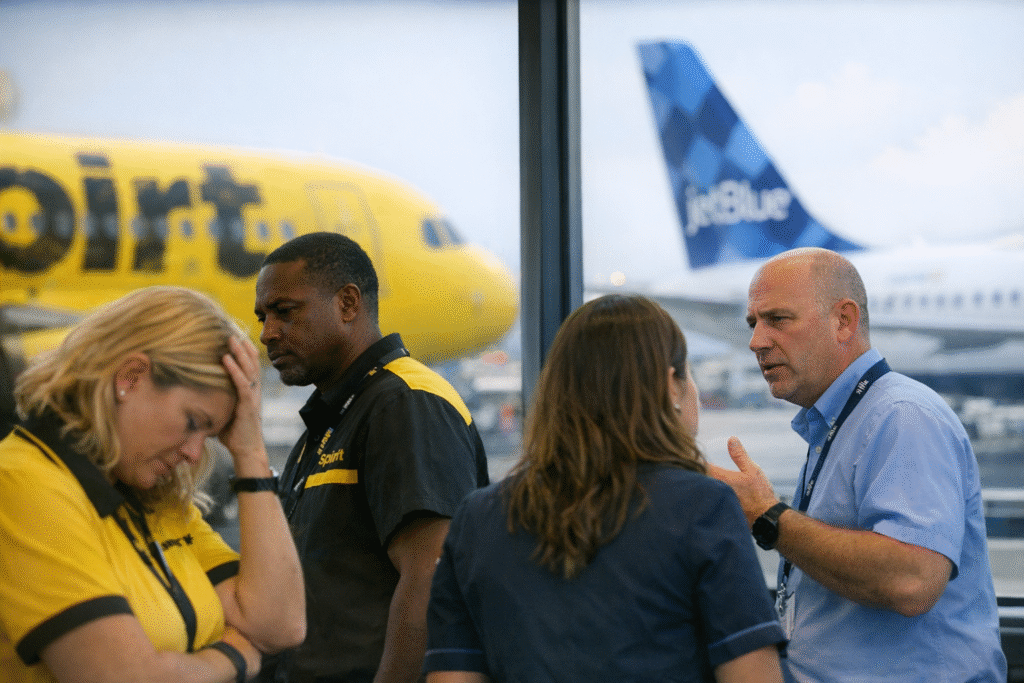
The turbulent fate of Spirit Airlines’ attempted merger underscores the growing difficulty of consolidating ultra-low-cost carriers in an increasingly scrutinized U.S. aviation market. As detailed in The Wall Street Journal’s article “Spirit Airlines Deal: What Happened,” the carrier’s failed tie-up with JetBlue Airways marked a pivotal moment not just for the companies involved, but for the competitive structure of the airline industry as a whole.
Spirit Airlines spent much of the past several years at the center of a high-stakes bidding war and regulatory battle. Initially courted by Frontier Group Holdings in a proposed low-cost carrier combination, Spirit ultimately accepted a richer offer from JetBlue. JetBlue’s bid promised shareholders a higher immediate payout, but it also introduced significant antitrust risk given the overlap between the two airlines and JetBlue’s existing strategic partnerships.
That risk ultimately materialized. U.S. regulators challenged the merger, arguing that eliminating Spirit as an independent ultra-low-cost competitor would reduce price competition, especially for budget-conscious travelers. A federal judge agreed, siding with the Department of Justice and blocking the deal. The ruling effectively ended JetBlue’s effort to acquire Spirit, forcing the companies to abandon what would have been one of the airline industry’s most consequential mergers in years.
The collapse of the agreement left Spirit in a vulnerable position. The airline had already been grappling with operational challenges, shifting post-pandemic travel demand, and rising costs. Without the financial support and strategic reset that a merger might have provided, Spirit has had to confront those pressures on its own, raising questions about its long-term viability and strategic direction.
The episode reflects a broader shift in the regulatory environment. Antitrust enforcement has become more aggressive, particularly toward consolidation that could reduce low-price competition. Spirit’s role as a disruptive force in the market—driving down fares with its no-frills model—was central to the government’s case. Regulators argued that preserving such competition outweighed the potential efficiencies of a merger.
For JetBlue, the failed deal represents a strategic setback. The airline had hoped to expand its footprint and better compete with the dominant “Big Four” carriers. Instead, it now faces the challenge of pursuing growth without the scale and network advantages the acquisition would have delivered.
The situation described in The Wall Street Journal’s “Spirit Airlines Deal: What Happened” illustrates a turning point for airline consolidation. While mergers were once a primary avenue for growth and stability, carriers must now navigate a far more cautious regulatory landscape. For Spirit Airlines, the outcome leaves its future uncertain, while for the industry, it signals that even financially attractive deals may not survive heightened antitrust scrutiny.