Iran Strait Threat Could Backfire on Oil Economy
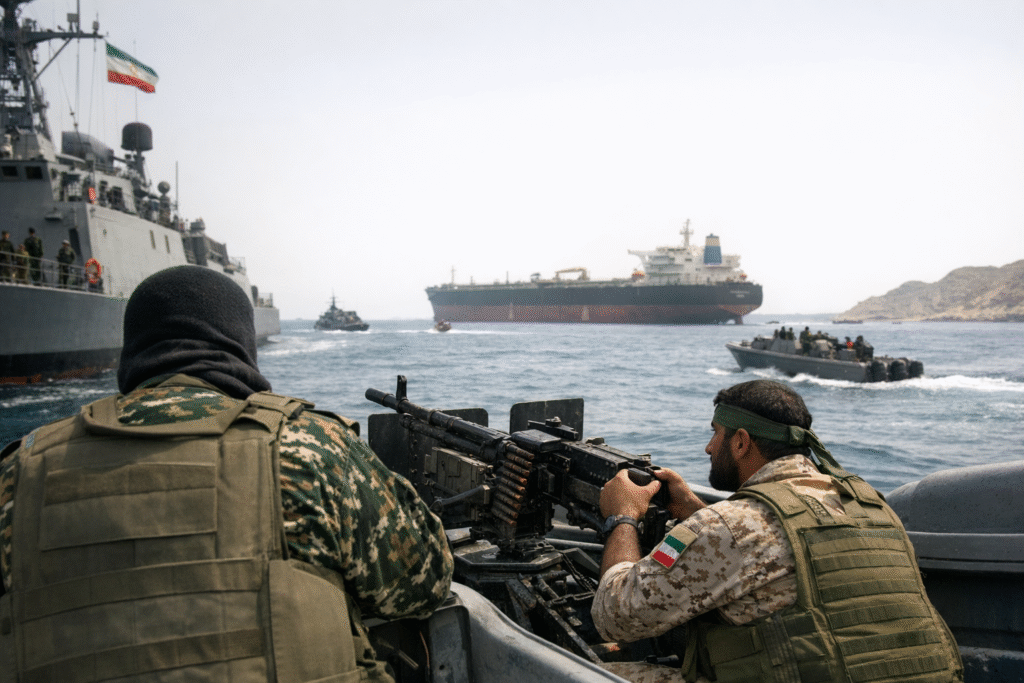
Iran’s consideration of disrupting maritime traffic in the Strait of Hormuz—a critical artery for global energy supplies—has drawn renewed scrutiny from analysts who warn that such a move could carry significant risks for Tehran’s own oil sector. A recent article titled “How Iran’s Blockade Gamble Could Compromise Its Oil Sector,” published by the Daily Wire, outlines how any attempt to leverage the strait as a geopolitical tool may ultimately undermine one of Iran’s most vital economic lifelines.
The Strait of Hormuz handles a substantial share of the world’s seaborne oil trade, making it a focal point in times of regional tension. Iranian officials have periodically signaled their willingness to restrict access to the passage in response to external pressure, particularly from Western sanctions. However, energy experts increasingly argue that such a strategy could prove counterproductive.
Iran’s economy remains heavily dependent on oil exports, despite years of sanctions that have already constrained its ability to sell crude on the international market. Any disruption to shipping lanes in the Gulf would not only affect rival producers but could also impede Iran’s own export capacity, especially as its primary customers—such as China—rely on stable and predictable delivery routes.
Moreover, heightened instability in the strait would likely trigger a broader international response aimed at securing the waterway. Such intervention could result in increased surveillance, enforcement, or even military presence, further complicating Iran’s capacity to operate freely in the region. The Daily Wire article highlights how these consequences could deepen the challenges facing Iran’s oil infrastructure, which already contends with aging facilities and limited foreign investment.
There are also economic implications beyond physical disruptions. Insurance premiums for tankers operating in the region would likely surge in the event of a blockade or credible threat, raising transportation costs across the board. For Iran, which often relies on complex shipping arrangements to circumvent sanctions, these additional expenses could further erode profit margins and reduce competitiveness.
Analysts note that while threatening to close the Strait of Hormuz can serve as a deterrent or bargaining chip, following through on such threats carries significant strategic downsides. Iran’s leadership must weigh the potential short-term leverage against the longer-term damage to its own economic interests.
As outlined in the Daily Wire’s reporting, the calculus is increasingly unfavorable. With global oil markets sensitive to disruption and Iran’s own export mechanisms already under strain, any attempt to block or significantly restrict passage through the strait risks compounding the very vulnerabilities Tehran seeks to mitigate.