Europe Flights Face Cuts as Fuel Strain Grows
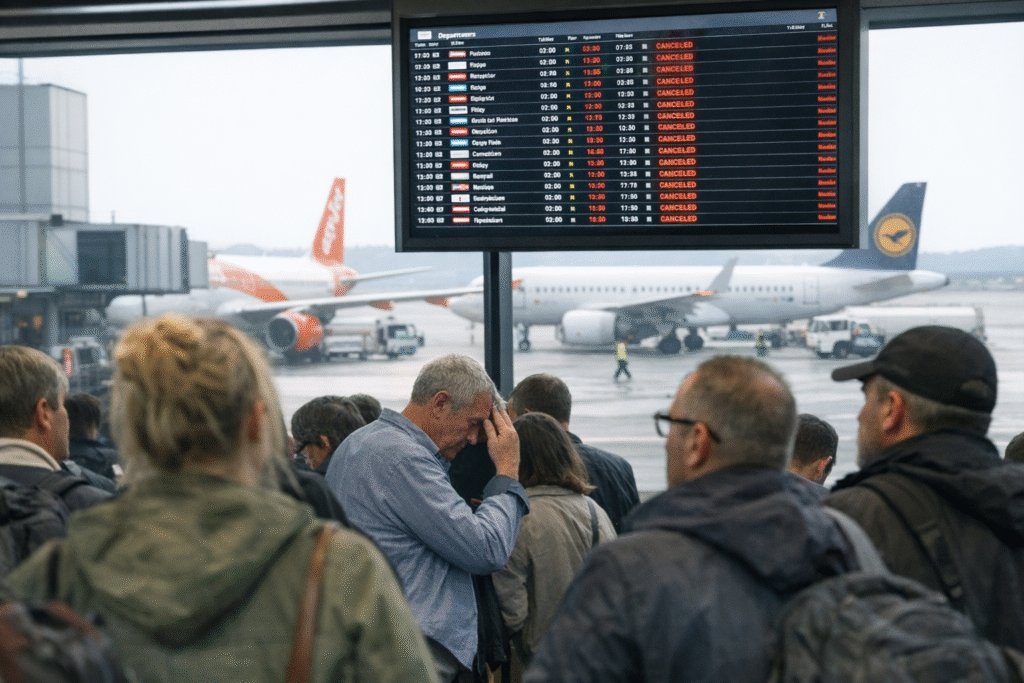
Europe’s aviation sector is bracing for potential disruption as fuel supply pressures intensify amid the prolonged conflict involving Iran, raising concerns about reduced flight capacity and higher travel costs in the months ahead.
According to the Daily Wire article “Jet Fuel Crunch Looms: Europe Faces Flight Cuts As Iran War Drags On,” industry analysts and airline executives warn that constrained access to key fuel sources could ripple across European travel networks. The issue stems from tightening global energy markets, where geopolitical instability has complicated refining output, shipping routes, and access to crude supplies critical for jet fuel production.
The conflict involving Iran has heightened uncertainty in energy corridors that are vital to global fuel distribution. While Europe does not rely exclusively on Iranian oil, disruptions in the broader Middle East have historically driven volatility in both crude prices and refined fuel availability. The current situation appears to be no exception, with refiners facing higher input costs and logistical bottlenecks that are now feeding into aviation fuel supply chains.
Airlines across Europe are already taking precautionary steps, including adjusting flight schedules, consolidating routes, and reviewing long-haul capacity. Smaller carriers with tighter margins are expected to be particularly vulnerable, as fuel expenses typically represent one of the largest portions of operating costs. Even modest increases in jet fuel prices can significantly affect profitability and pricing strategies.
Industry observers note that while airlines can hedge fuel purchases, those mechanisms offer only partial protection during prolonged crises. As hedges expire, carriers are exposed more directly to market rates, which have trended upward amid the uncertainty. This dynamic could lead to higher ticket prices for consumers and fewer available routes, particularly during peak travel seasons.
European policymakers are also watching the situation closely, balancing energy security concerns with broader economic stability. Some governments may consider strategic fuel reserves or policy interventions to cushion the impact, though such measures are limited and often slow to implement.
The potential knock-on effects extend beyond airlines. Airports, tourism-dependent regions, and related sectors could face reduced activity if flight availability contracts. Business travel and cargo operations may also be affected, adding pressure to supply chains that are still adjusting to post-pandemic shifts.
While the full extent of the disruption remains uncertain, the trajectory outlined in the Daily Wire report underscores a growing risk: that a prolonged geopolitical conflict could translate into tangible constraints on mobility within Europe. For now, airlines and regulators alike are preparing for a period of volatility in which fuel availability may become a defining challenge for the industry.