Vets in Congress Push Bill to Protect Women Roles
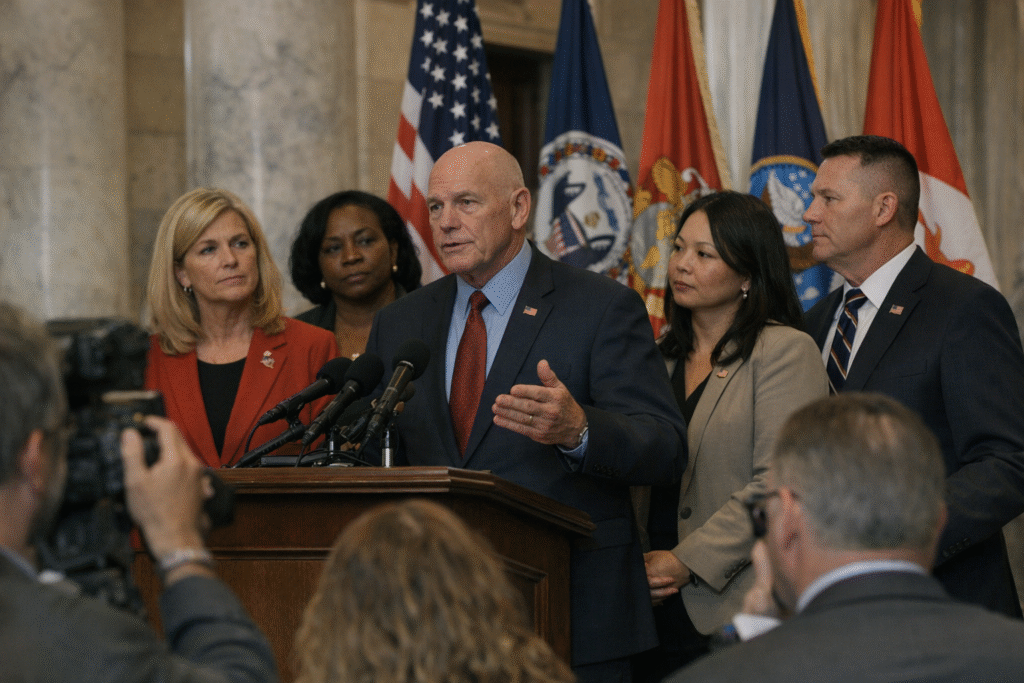
A group of military veterans serving in Congress has introduced legislation aimed at preventing future administrations from restricting women’s participation in military roles, a move that reflects growing concern over the durability of gender integration policies within the armed forces.
The proposal, detailed in the Military Times article “Bill from vets in Congress would keep military roles open to women,” would codify existing policy allowing women to serve in all combat and noncombat positions. Lawmakers backing the measure argue that without legislative protection, those policies could be reversed through executive action, potentially disrupting both force readiness and recruitment.
Supporters of the bill, many of whom have firsthand military experience, framed the measure as a safeguard for merit-based service. They contend that occupational assignments should continue to be determined by qualifications and standards rather than gender, emphasizing that the military has spent years adapting training, evaluation, and integration practices to support a fully inclusive force.
The initiative comes more than a decade after the Pentagon formally lifted the ban on women serving in combat roles, a milestone that opened positions in infantry, armor, and special operations units. Since then, women have entered previously restricted specialties in growing numbers, though they still represent a small percentage in some of the most physically demanding roles.
Backers of the legislation also highlighted broader personnel challenges, including recruitment shortfalls and retention concerns. They argue that limiting the eligible pool of service members would further strain an already pressured force. By contrast, maintaining open access to all roles, they say, allows the military to draw from the widest possible range of talent.
Opposition to the bill has been more muted but reflects ongoing debates about standards, cohesion, and the role of Congress in military personnel policy. Some critics have argued that decisions about force composition should remain with Pentagon leadership, which can adjust policies based on operational needs rather than statutory requirements.
Still, proponents counter that Congress has long played a role in setting the framework for military service, particularly on issues involving civil rights and equal opportunity. They view the legislation as a continuation of that tradition, ensuring that policy changes affecting service members’ careers cannot be made unilaterally or without broader deliberation.
The measure’s prospects remain uncertain, as it would need to navigate a divided Congress and compete for attention with other defense priorities. However, its introduction signals that gender integration in the military, once a settled policy question, may continue to be contested in both political and institutional arenas.