US-Iran Talks End Without Breakthrough in Pakistan
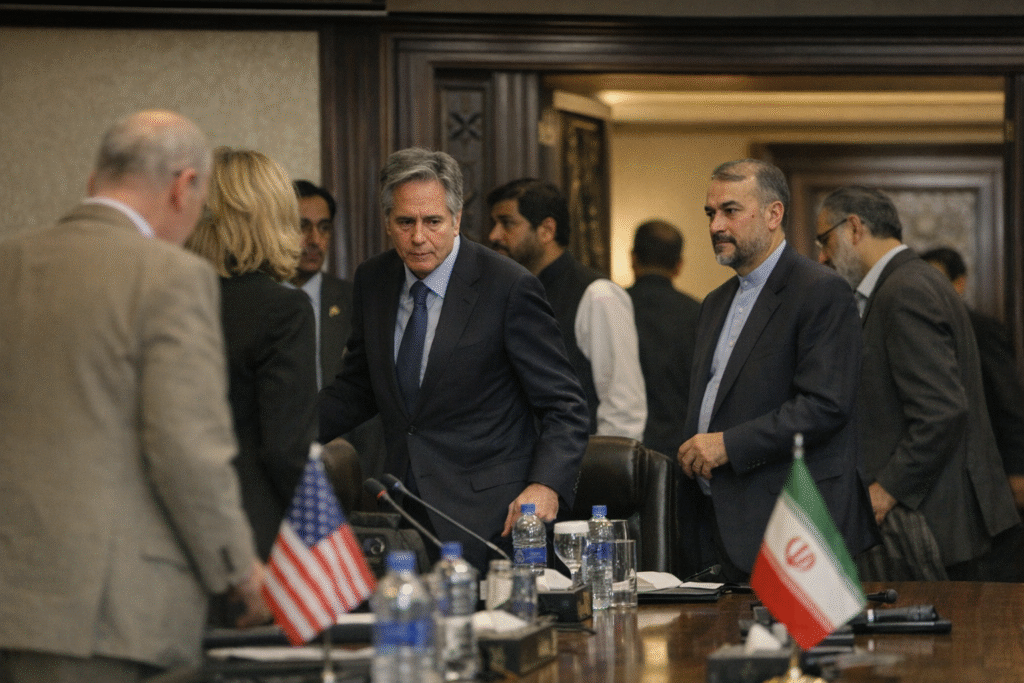
Diplomatic efforts between the United States and Iran concluded without a breakthrough this week, as delegations departed Pakistan following several days of negotiations aimed at easing long-standing tensions. The outcome underscores the persistence of major disagreements between the two countries despite renewed attempts at engagement.
According to reporting in the article “US-Iran peace talks end without deal as delegations leave Pakistan,” published by Military Times, representatives from both governments participated in discussions mediated in Pakistan, with the goal of exploring pathways toward de-escalation and potential future agreements. However, officials from both sides ultimately acknowledged that key issues remained unresolved.
The talks were seen as a tentative step toward reestablishing dialogue after years of strained relations marked by disputes over Iran’s nuclear program, regional security concerns, and economic sanctions imposed by Washington. While neither delegation publicly detailed the specific sticking points, longstanding divisions over nuclear enrichment limits, sanctions relief, and verification mechanisms are widely understood to have dominated the agenda.
U.S. officials emphasized that while no agreement was reached, the discussions themselves were valuable in clarifying positions and testing diplomatic channels. Iranian representatives similarly indicated that dialogue could continue under more favorable conditions, though they reiterated demands for tangible sanctions relief as a prerequisite for substantive progress.
Pakistan’s role as host highlights its ongoing efforts to position itself as a neutral venue for sensitive regional negotiations. The choice of location was intended to provide a discreet setting for dialogue, away from direct geopolitical pressures, though the lack of a deal suggests that deeper structural disagreements outweighed any advantages offered by the venue.
Analysts note that the failure to secure even a limited agreement reflects broader geopolitical tensions and mutual skepticism. In Washington, domestic political pressures complicate any move toward concessions, while in Tehran, leadership remains wary of entering agreements that could be reversed by future U.S. administrations.
Despite the lack of immediate progress, both sides left open the possibility of future talks. Diplomats involved in the process suggested that the discussions helped establish a clearer understanding of each country’s red lines, which could inform subsequent negotiations if political conditions shift.
For now, however, the outcome reinforces the fragile state of U.S.-Iran relations and the difficulty of translating diplomatic engagement into concrete results. The absence of an agreement leaves existing tensions unresolved and raises questions about whether future efforts will gain enough momentum to produce meaningful change.