Iran Considers Hormuz Transit Fees, Raising Alarms
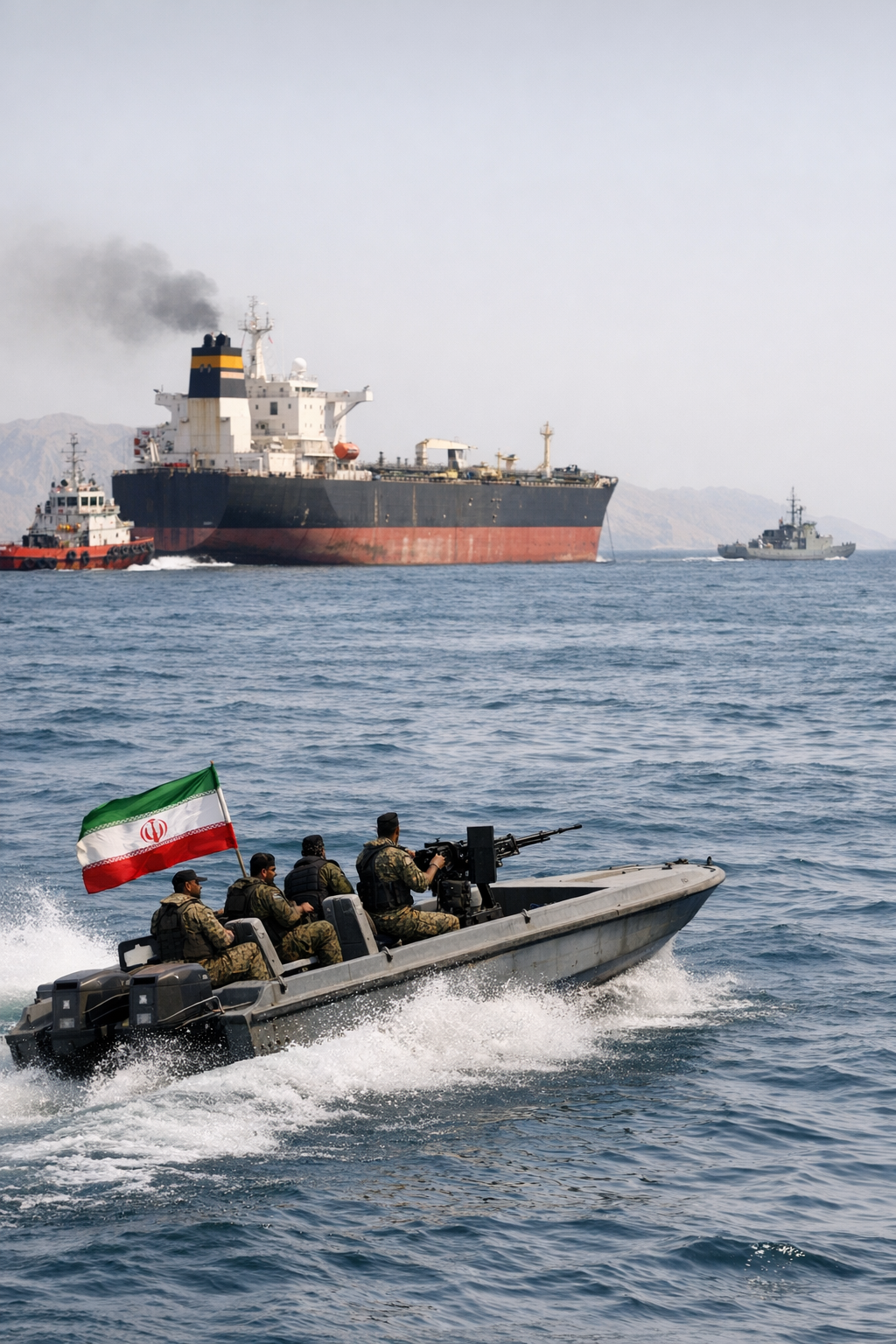
A proposal circulating among Iranian policymakers to levy transit fees on vessels passing through the Strait of Hormuz is raising fresh concerns among shipping operators, energy markets, and Western governments already wary of escalating tensions in the region.
According to reporting by The Wall Street Journal in an article titled “Free Seas? Iran Weighs Strait of Hormuz Toll,” Iranian officials and affiliated policy voices have discussed the possibility of charging ships for passage through one of the world’s most strategically vital waterways. The idea, while not formalized into policy, reflects a broader effort within Iran to assert economic and political leverage over the narrow maritime corridor that handles a significant share of global oil exports.
The Strait of Hormuz, bordered by Iran to the north and the United Arab Emirates and Oman to the south, has long been considered an international transit route under widely accepted maritime conventions. Any attempt to impose unilateral tolls would likely face strong opposition from major naval powers, including the United States, which has traditionally maintained that the strait must remain open to free navigation.
Shipping industry analysts warn that even discussion of such measures could have outsized effects. Insurance rates for vessels operating in the Gulf are already sensitive to geopolitical risk, and uncertainty over potential fees or enforcement mechanisms could further disrupt commercial planning. Oil markets, too, have historically reacted quickly to perceived threats to the uninterrupted flow of crude through the strait.
Iran’s interest in exploring transit charges comes amid sustained economic pressure from sanctions and ongoing regional rivalries. For some Iranian policymakers, the idea represents a way to extract economic benefit from a chokepoint they geographically dominate. However, legal experts note that imposing tolls on transit passage through an international strait would challenge established interpretations of maritime law and could provoke a coordinated international response.
Western officials, while not commenting directly on the proposal, have consistently emphasized the importance of maintaining freedom of navigation in global waterways. Any move perceived as restricting access to the strait would likely be met with diplomatic pushback and, potentially, an increased military presence aimed at deterring interference with commercial shipping.
The debate underscores the enduring strategic importance of the Strait of Hormuz and the fragile balance that governs it. Even without immediate policy changes, the mere prospect of new restrictions highlights how quickly economic and security concerns can intersect in one of the world’s most critical energy corridors.