Congress and Pentagon Clash Over Defense Spending
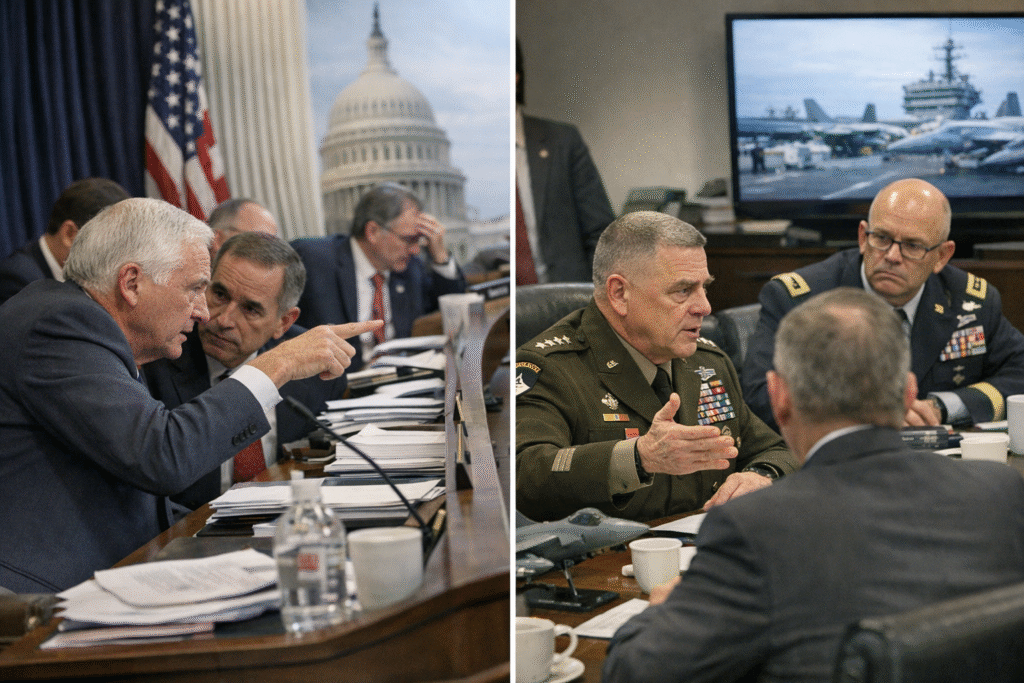
A new report from Military Times, published under the Pentagon & Congress coverage section, highlights renewed tensions between lawmakers and Defense Department leaders over budget priorities, oversight, and strategic direction. The article, titled “Pentagon, Congress at odds over defense priorities and spending oversight,” underscores a familiar but increasingly consequential divide shaping U.S. military policy.
According to the Military Times report, members of Congress from both parties are pressing Pentagon officials for greater transparency on how defense funds are allocated, particularly as the overall military budget continues to grow. Lawmakers expressed concern that rapid increases in spending have not always been matched by clear accountability measures or demonstrable improvements in readiness and modernization.
Pentagon officials, for their part, defended current spending strategies as necessary to address evolving global threats, including competition with near-peer adversaries and ongoing commitments abroad. Defense leaders emphasized the complexity of balancing immediate operational needs with long-term investments in technology, force structure, and infrastructure.
The article notes that disagreements have become especially pronounced during recent budget hearings, where some lawmakers questioned high-cost weapons programs and procurement decisions. Critics in Congress argued that certain legacy systems consume disproportionate resources while offering limited strategic value in future conflicts. Pentagon representatives countered that maintaining a diverse capabilities portfolio is essential to ensuring military flexibility.
Another point of friction involves congressional efforts to impose stricter reporting requirements and reallocate funds toward service member quality-of-life programs. While there is bipartisan support for improving housing, healthcare, and pay, disagreements persist over how to finance those initiatives without disrupting broader defense plans.
The Military Times coverage also points to institutional dynamics that complicate the relationship. Congressional committees seek granular oversight and political accountability, while Pentagon planners emphasize the need for stability and long-term predictability in budgeting. These competing priorities often lead to delays in passing defense authorization and appropriations bills, creating uncertainty for military programs and personnel.
Despite these tensions, both sides acknowledge the necessity of cooperation. Lawmakers depend on accurate information from defense officials to make informed decisions, while the Pentagon relies on Congress for funding and legislative authority. The report suggests that ongoing dialogue, though contentious, remains central to shaping U.S. defense policy in a rapidly changing global environment.
As budget negotiations continue, the issues outlined in the Military Times article are likely to remain at the forefront, reflecting broader questions about how the United States defines its military priorities and exercises oversight over one of the largest components of federal spending.