Iran’s Island Strategy in the Strait of Hormuz
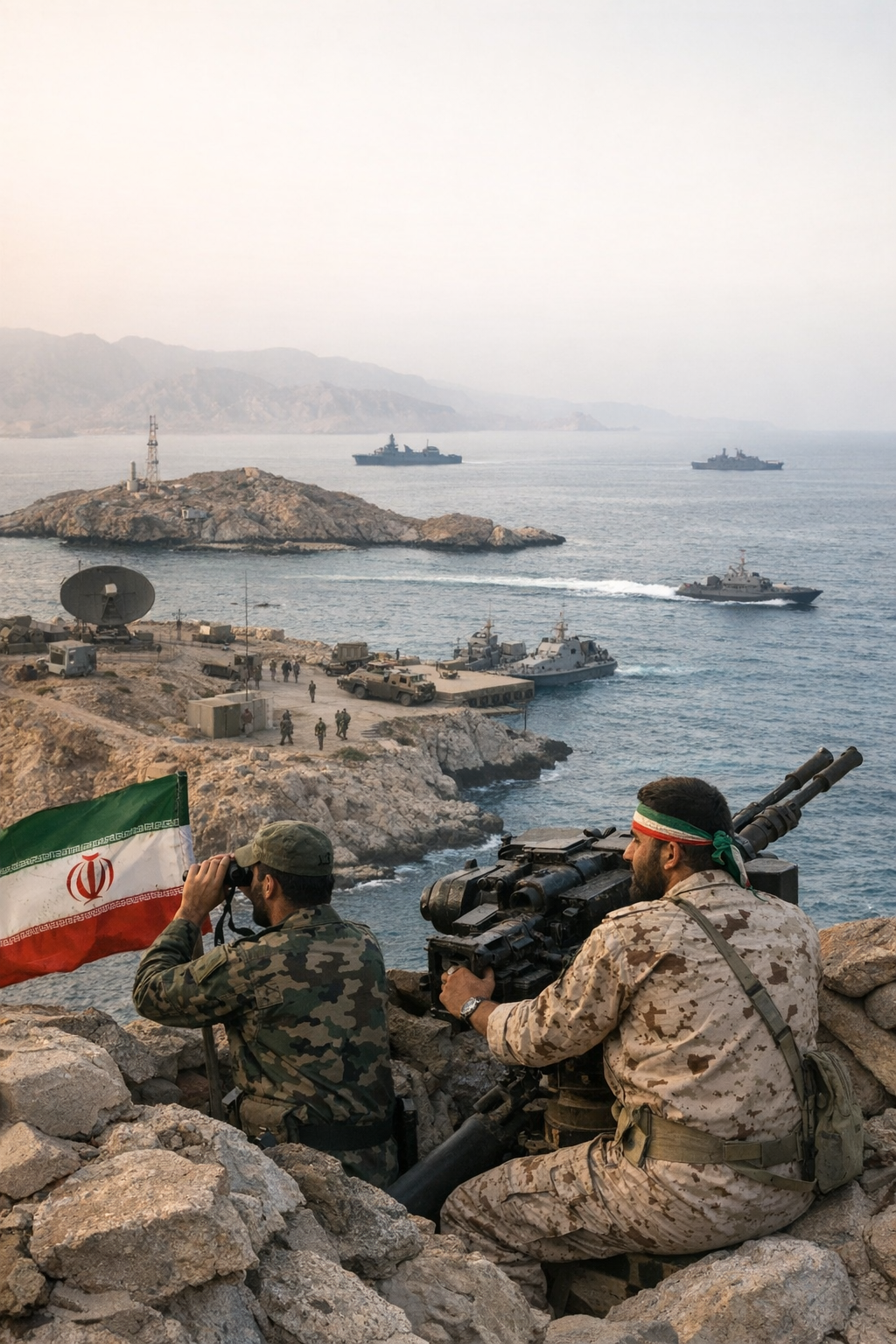
Iran’s strategic control over a cluster of islands in and around the Strait of Hormuz has become a focal point in understanding the country’s influence over one of the world’s most critical energy corridors. The dynamic is examined in “The Islands Behind Iran’s Grip on the Strait of Hormuz,” a news explainer published by The Wall Street Journal, which highlights how geography, military infrastructure, and political signaling intersect in the narrow waterway.
The Strait of Hormuz, a chokepoint through which roughly a fifth of global oil consumption passes, has long been a site of geopolitical tension. Iran’s control over islands such as Qeshm, Hormuz, and Abu Musa—along with its proximity to the Greater and Lesser Tunbs—offers Tehran a vantage point that extends beyond symbolic sovereignty. These landmasses host missile systems, radar installations, and naval facilities that allow Iran to monitor and potentially disrupt maritime traffic.
According to The Wall Street Journal’s reporting, these islands function as forward operating positions that enhance Iran’s anti-access and area-denial capabilities. Their location enables Iranian forces to project power deep into shipping lanes while complicating the operational planning of foreign navies. Even limited deployments of fast attack boats, mines, and coastal defense missiles can pose outsized risks in such confined waters.
The political dimension is equally significant. Several of the islands, particularly Abu Musa and the Tunbs, are subject to long-standing territorial disputes with the United Arab Emirates. Iran’s continued presence there underscores its broader regional posture, combining military preparedness with a willingness to assert claims despite international objections. This posture has been reinforced during periods of heightened tension with Western nations, especially in response to sanctions or naval patrols by external powers.
The Wall Street Journal’s explainer also underscores how infrastructure development on these islands has evolved over time. What were once sparsely populated or minimally developed outposts have been transformed into fortified hubs, complete with airstrips, surveillance systems, and logistical support for naval operations. This gradual build-up reflects a strategic doctrine aimed at maintaining leverage over a vital artery of global التجارة and energy supply.
While outright closure of the Strait remains unlikely due to the severe economic repercussions it would bring to Iran itself, the capacity to threaten disruption serves as a powerful deterrent. Analysts note that even the perception of risk can influence global oil prices and insurance costs for shipping companies, amplifying the impact of Iran’s position.
As tensions in the region continue to fluctuate, the islands described in The Wall Street Journal’s “The Islands Behind Iran’s Grip on the Strait of Hormuz” remain central to understanding both the mechanics and the psychology of power in the Gulf. Their strategic value lies not only in their geography but in their role as instruments of leverage in a broader contest over security, commerce, and influence.