KitKat Cargo Heists Expose Supply Chain Risks
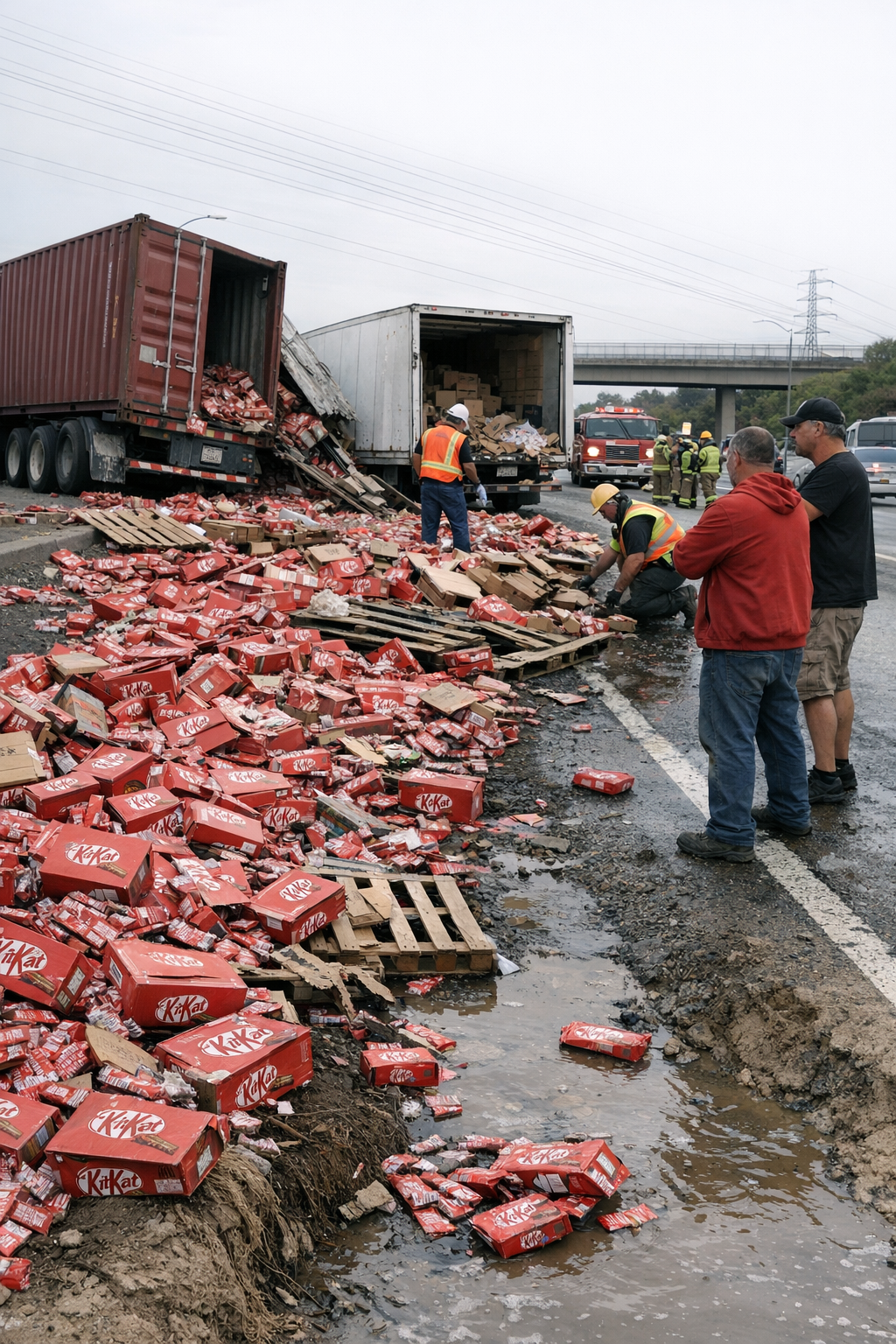
A recent report by The Wall Street Journal, titled “The KitKat Heist,” details an increasingly sophisticated pattern of chocolate theft targeting supply chains linked to Nestlé, underscoring how even seemingly low-value consumer goods have become attractive targets for organized criminal activity.
According to the Journal’s reporting, criminal groups have been exploiting vulnerabilities in logistics networks to intercept large shipments of branded chocolate products, particularly KitKat bars. Rather than isolated shoplifting incidents, these thefts are coordinated operations involving trucks, warehouses, and distribution channels, reflecting a broader trend of cargo theft that has intensified in recent years.
Industry analysts cited in the article note that rising cocoa prices and ongoing supply chain disruptions have elevated the value of chocolate products, making them more appealing to thieves. At the same time, the complexity of modern logistics systems provides multiple points of entry for bad actors, from fraudulent pickup orders to identity spoofing within shipping networks.
The thefts have imposed financial and operational burdens on companies like Nestlé, which must absorb losses while also investing in enhanced security measures. These include stricter verification protocols for drivers, real-time shipment tracking, and closer coordination with law enforcement agencies. Even so, the diffuse nature of distribution networks makes comprehensive protection difficult.
The report highlights how stolen goods often re-enter legitimate markets through secondary channels, including discount retailers and informal resale networks. This complicates efforts to trace and recover the products, while raising concerns about consumer protection and brand integrity.
Experts interviewed by The Wall Street Journal emphasize that the issue extends beyond any single company or product line. Cargo theft has surged across multiple sectors, driven in part by organized crime groups that adapt quickly to shifts in market demand. Food and beverage items, once considered relatively low risk, are now among the categories increasingly targeted due to their ease of resale and minimal traceability compared with high-value electronics.
The KitKat case illustrates a broader vulnerability in global commerce, where efficiency and scale can sometimes outpace security. As companies work to reinforce their defenses, the persistence of these thefts suggests that supply chain resilience will remain a critical challenge, particularly as economic pressures continue to reshape the incentives for criminal activity.