Poland Weighs Entry Into GCAP Fighter Program
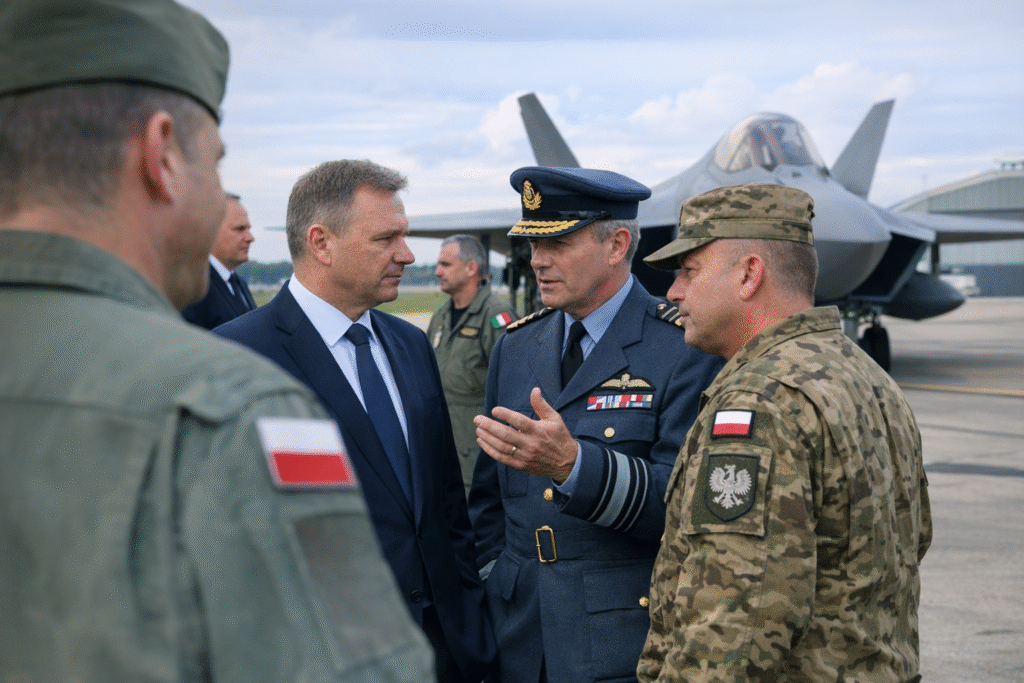
Poland is assessing the potential strategic and industrial advantages of joining the Global Combat Air Programme (GCAP), a multinational effort to develop a sixth-generation fighter jet, as it continues to modernize its armed forces amid heightened security concerns in Europe.
According to the article “Poland eyes benefits of joining GCAP sixth-generation fighter project” published by Defense News, Warsaw is weighing participation in the initiative led by the United Kingdom, Japan, and Italy. Polish officials see the program as a possible avenue to deepen defense cooperation with key allies while gaining access to advanced technologies that could shape future airpower capabilities.
The GCAP project aims to deliver a next-generation combat aircraft by the mid-2030s, incorporating cutting-edge features such as advanced stealth, artificial intelligence-assisted operations, and networked combat systems. For Poland, which is already investing heavily in U.S.-made F-35 fighters and South Korean FA-50 jets, involvement in GCAP would represent a complementary long-term bet on future capabilities rather than an immediate procurement decision.
Polish policymakers are particularly attentive to the industrial benefits of joining the program. Participation could provide domestic defense firms with opportunities to integrate into high-value supply chains, expand technological expertise, and strengthen Poland’s position within Europe’s defense industry. Officials have indicated that such considerations are central to any decision, as Warsaw seeks not only to acquire equipment but also to build sovereign industrial capacity.
At the same time, joining GCAP would require navigating financial and political trade-offs. The program is expected to demand substantial investment over many years, and Poland would need to balance this commitment against existing modernization priorities. Questions also remain about how new partners would be integrated into a project already structured around its founding members.
Poland’s interest reflects a broader trend among European nations exploring collaborative approaches to next-generation defense systems amid evolving security threats, particularly following Russia’s invasion of Ukraine. As NATO’s eastern flank continues to reinforce its deterrence posture, decisions about participation in major multinational programs like GCAP are increasingly tied to both strategic alignment and long-term industrial policy.
While no formal decision has been announced, the Polish government’s deliberations signal its intent to remain closely engaged with emerging defense technologies and alliances, positioning itself as both a consumer and contributor in the development of future combat air systems.