Iran’s New Leader: Crafting a Mythological Legacy
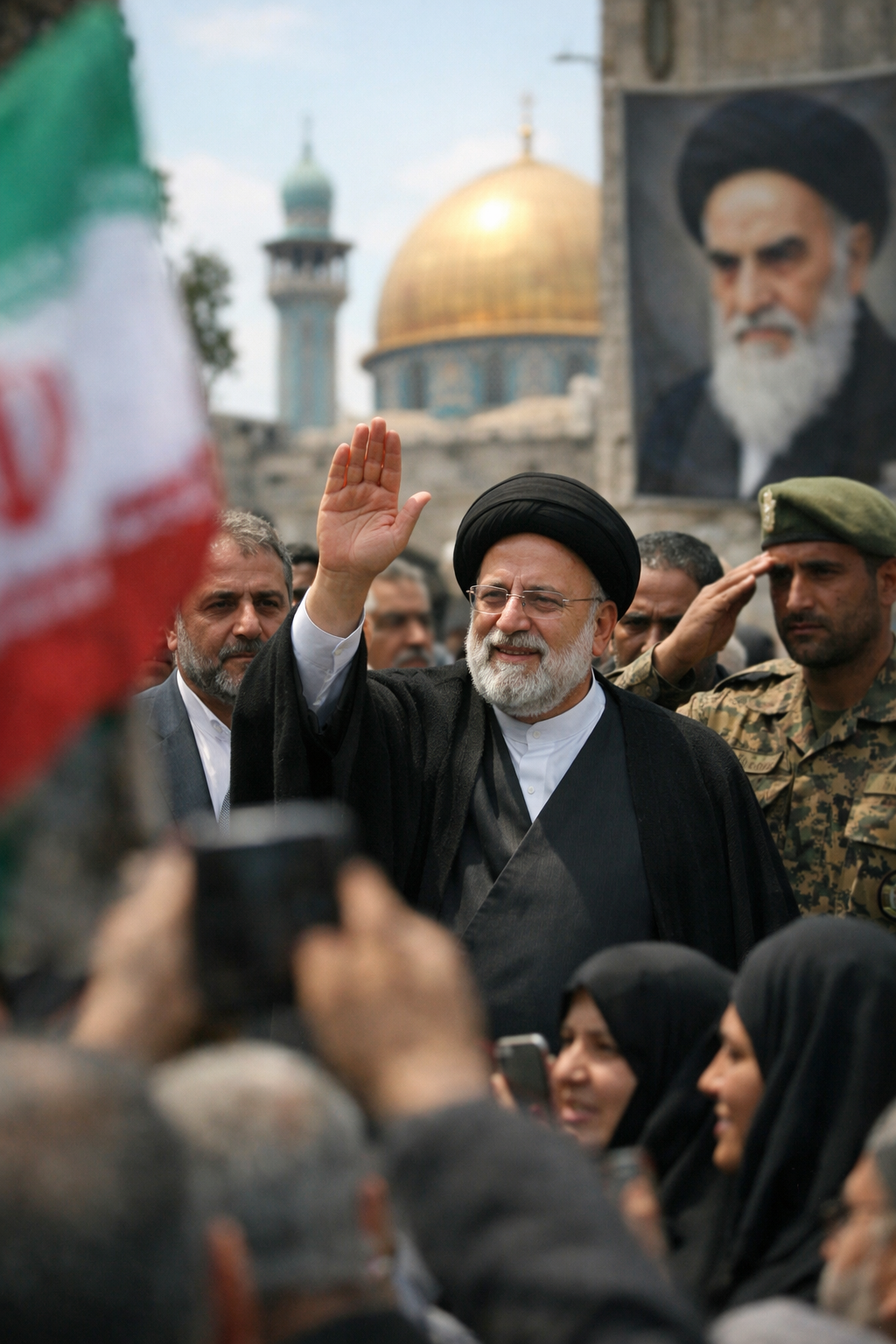
In recent years, Iran has embarked on a concerted effort to establish a religious and mythological foundation around its new Supreme Leader, aiming to solidify his status and authority within the country and beyond. In an article titled “How Iran Is Building a Religious Mythology Around Its New Supreme Leader” published by the Wall Street Journal, insights are provided into the strategic measures being undertaken by Iranian authorities to reinforce the Supreme Leader’s position through religious and cultural narratives.
The move to elevate the new Supreme Leader into a figure of greater spiritual and ideological significance is part of a broader campaign by the Iranian government to ensure continuity and stability within its political framework. As detailed in the Wall Street Journal, this involves integrating elements of religious mythology, drawing parallels with revered historical and religious figures, and promoting a narrative that intertwines faith with governance.
Central to these efforts is the way in which the Supreme Leader is being portrayed as a divinely inspired leader, an essential figurehead in the continuation of Iran’s revolutionary path. By crafting a narrative that positions him as a protector of Islamic values and a stalwart against Western influence, the Iranian leadership seeks not only to legitimize his rule but also to galvanize domestic support.
The creation of religious mythology is not without precedent in Iran’s history, where leaders have often been deified or presented as carrying the mantle of religious authority. In doing so, the regime can draw upon deeply rooted cultural and religious traditions that resonate widely with the populace, thereby reinforcing loyalty and allegiance to the leadership.
Beyond the domestic sphere, this mythologizing process also aims to bolster Iran’s influence in the broader Middle East region. By projecting the Supreme Leader as a figure of religious significance, Iran aspires to inspire and rally allied groups and individuals who share a common ideological or sectarian alignment. This cultural and religious diplomacy is a strategic element in Iran’s foreign policy, seeking to expand its ideological reach and minimize adversarial pressures.
The impact of this effort on Iranian society is profound, potentially shaping public perceptions and attitudes for generations to come. By embedding the Supreme Leader within a religious narrative, the Iranian government not only seeks to protect its current leadership from dissent but also endeavors to forge a durable legacy that aligns Iran’s political identity with its religious ethos.
While this strategic mythologizing may provide short-term cohesion and support, it also raises questions about the long-term implications for Iran’s political system. As leaders are immortalized through religious narratives, the rigidity and resistance to reform may increase, potentially creating challenges for future governance and social dynamics as the needs and aspirations of Iran’s population evolve.
In summary, Iran’s orchestrated efforts to build a religious mythology around its new Supreme Leader, as reported by the Wall Street Journal, illustrate a calculated endeavor to reinforce political power and influence both domestically and internationally. The success of these efforts remains to be seen, as Iran negotiates the complexities of leadership continuity, regional ambitions, and an ever-changing global landscape.