Navy Ships Collide During Replenishment in Caribbean
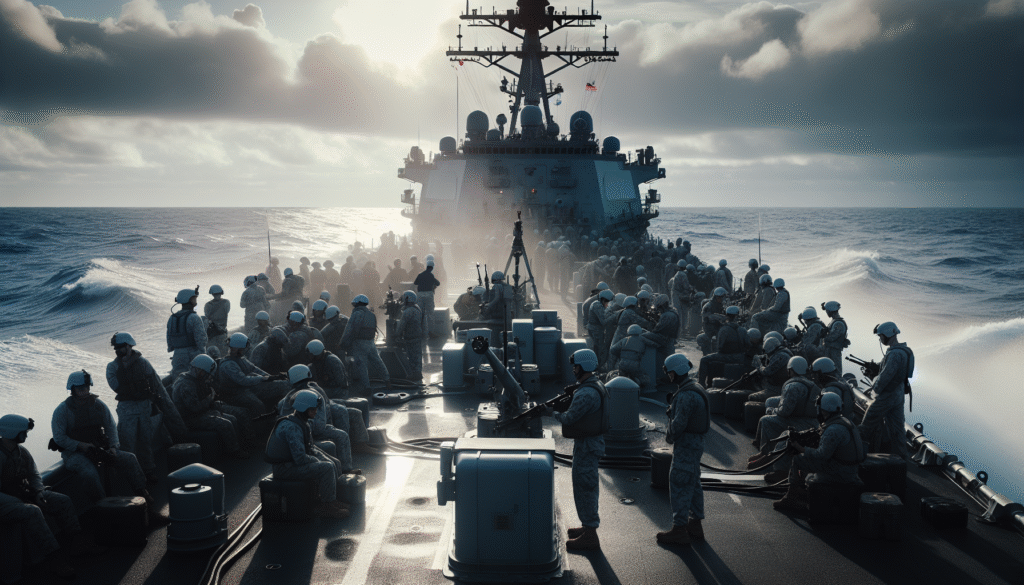
Two U.S. Navy vessels were involved in a collision during a replenishment operation in the Caribbean Sea on Monday, resulting in minor injuries to two sailors and raising serious questions about operational safety at sea. The incident, reported by Military Times in an article titled “Two US Navy ships collide in Caribbean, leaving 2 sailors injured,” occurred while the guided-missile destroyer USS Paul Ignatius was conducting an underway replenishment with the fast combat support ship USNS Patuxent.
According to U.S. 2nd Fleet spokesperson Lt. Cmdr. Lara Bollinger, the USS Paul Ignatius came into contact with the USNS Patuxent during the operation, leading to “minor damage” to both vessels. The two injured sailors, both serving aboard the Paul Ignatius, received prompt medical care aboard the ship and are currently reported to be in stable condition.
Underway replenishments, though routine, require precision coordination and seamanship, as they involve ships navigating in close proximity while transferring fuel and supplies. The incident highlights not only the inherent risks of such operations but also the continued importance of rigorous training and procedural adherence in even the most routine exercises.
Both vessels involved returned to port following the collision. The Navy has initiated a command-level investigation to determine the cause of the accident and to assess the adequacy of current operating procedures. No fuel or oil spills were reported, and the Navy has emphasized that there is no environmental hazard as a result of the incident.
The USS Paul Ignatius, an Arleigh Burke-class destroyer commissioned in 2019, and the USNS Patuxent, a Henry J. Kaiser-class oiler operated by the Military Sealift Command, both play significant roles in the logistical backbone of the Navy’s global operations. Replenishment missions, particularly in remote areas such as the Caribbean Sea, are pivotal for maintaining fleet readiness without the need for returning to port.
Incidents like this remain infrequent but are treated with utmost seriousness given the complex nature of maritime operations. The Navy has previously urged vigilance and continued refinement of at-sea procedures following a series of high-profile accidents in 2017, which included deadly collisions involving the destroyers USS Fitzgerald and USS John S. McCain.
In a brief statement, Navy officials reiterated their commitment to the safety of personnel and affirmed that lessons learned from this event will inform future training and operational planning. The outcome of the investigation may prompt further evaluations of how replenishments at sea are conducted, potentially leading to adjustments in tactics or equipment to reduce the risk of future collisions.