The Dark Power and Ethics of Thermobaric Weapons
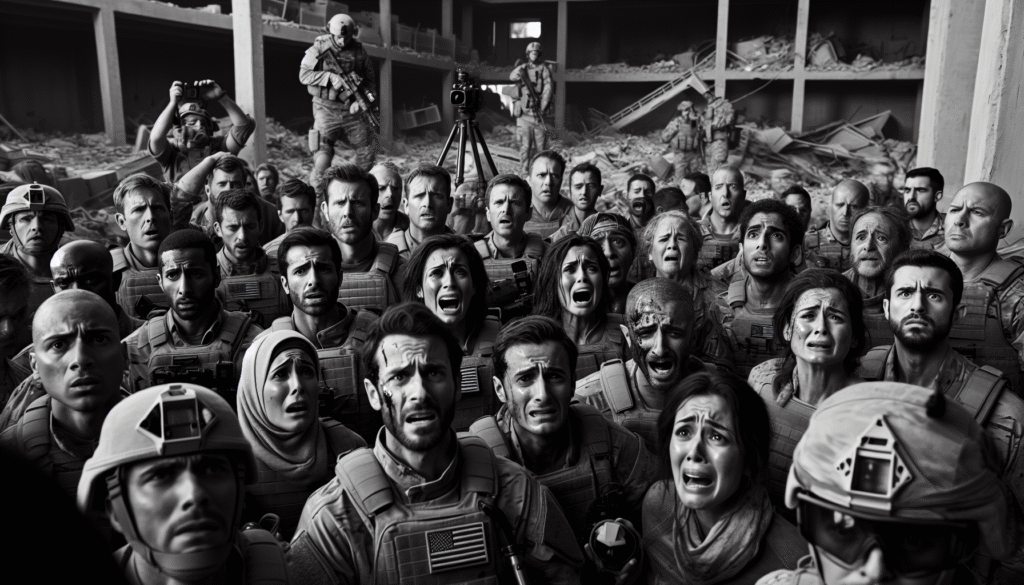
In February 2026, Military Times published a sobering piece titled, “It Just Blows Your Lungs Out of Your Mouth: A History of Thermobaric Weaponry,” highlighting the evolution and devastating impact of a class of weapons that has long drawn ethical scrutiny and concern from the international community. The article provides a detailed historical account of thermobaric weapons—often known colloquially as fuel-air explosives—which have been used by various militaries for their unparalleled destructive potential, particularly in confined environments.
First developed during the Cold War, thermobaric weapons function by dispersing a cloud of fuel into the air and then igniting it, producing an intense blast wave followed by a vacuum effect that can collapse structures and inflict lethal internal injuries. Unlike conventional explosives, which rely on an initial detonation, thermobaric munitions sustain a longer-duration blast, making them exceptionally effective—and brutal—against forces in bunkers, tunnels, or enclosed environments.
According to the Military Times article, a recurring theme in thermobaric history is the sheer lethality and psychological impact of the weapons. Eyewitness accounts and after-action reports emphasize the horror of encountering such munitions, noting their capacity to cause asphyxiation or internal organ damage without leaving visible wounds. It’s this brutal efficiency that has earned these weapons informal descriptors such as “vacuum bombs” or “lung busters.”
Historically, both the United States and Russia have invested heavily in thermobaric technology. The Russian military deployed these weapons with particular frequency in Chechnya and more recently in Ukraine, where their use has raised legal and moral questions. Footage and satellite analysis have pointed to the deployment of TOS-1A thermobaric rocket launchers—capable of leveling fortified positions while inflicting maximum casualties. U.S. forces have also used thermobarics in conflicts in Afghanistan and Iraq, primarily aimed at cave complexes and fortified insurgent positions.
The Military Times article also examines the troubling gray zones surrounding thermobarics in terms of international law. Unlike chemical or biological weapons, thermobarics are not explicitly banned under the Geneva Conventions. However, their effects often straddle the boundaries of what is universally regarded as acceptable under the laws of armed conflict, particularly when used in or near civilian areas.
Experts quoted in the piece emphasize that while thermobaric weapons are technically compliant with international law if used against legitimate military targets, their deployment in populated areas raises serious humanitarian concerns. The indiscriminate nature of the vacuum effect and the intense heat generated can lead to disproportionate civilian casualties, fueling arguments among human rights organizations for greater regulation or outright prohibition.
Military planners have nonetheless continued to develop thermobaric weapons, citing their tactical advantages against hard targets and subterranean networks increasingly employed by non-state actors. The U.S. Department of Defense has explored precision-guided variants, hoping to strike a balance between efficacy and legal compliance. Still, the very nature of these weapons—built for maximum kill-ratio within enclosed spaces—makes ethical use difficult, if not impossible, to guarantee.
As geopolitical tensions persist across multiple theaters of conflict, the Military Times’ exploration of thermobarics serves as both a historical reckoning and a timely warning. “It Just Blows Your Lungs Out of Your Mouth” is not only a descriptor of the weapon’s physical effects but a stark reminder of the line modern warfare continues to walk between military necessity and moral responsibility.
In an age increasingly defined by high-precision munitions and legal oversight, the continuing reliance on thermobaric weapons reveals a contradiction at the heart of contemporary military strategy: how to pursue effectiveness without abandoning humanity in the process.