Saab Renews Gripen Pitch to Support Canada’s F-35 Fleet
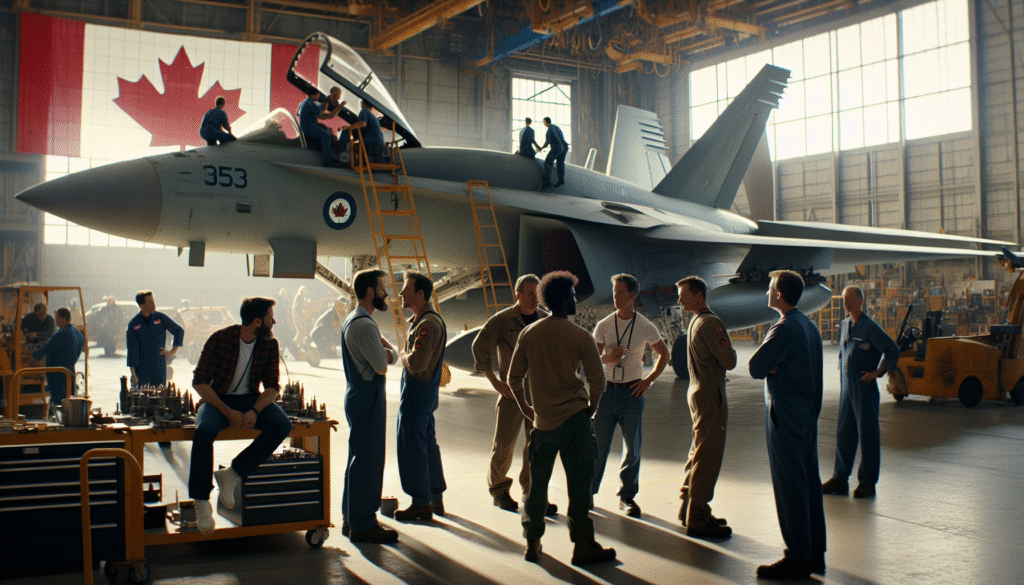
Saab is intensifying its efforts to position the Gripen fighter as a complementary solution to Canada’s F-35 fleet, a proposal the Swedish aerospace company detailed in a recent move aimed at expanding its international footprint. In the article titled “Saab shares detailed information on Gripen with Canada as part of dual-fleet pitch,” published by Breaking Defense, the defense manufacturer outlined its case for why Ottawa should consider a mixed fleet of F-35s and Gripens, arguing the Gripen offers both operational and strategic advantages.
Canada has officially selected the Lockheed Martin F-35A as its next-generation fighter in a modernization effort valued at approximately $19 billion CAD, replacing its aging fleet of CF-18 Hornets. Saab’s latest pitch, however, suggests that a dual-fleet approach could offer expanded capabilities, increased flexibility, and enhanced sovereignty through the use of non-American technology.
According to Breaking Defense, Saab officials recently shared comprehensive technical data and operational information with Canadian decision-makers, focusing on the Gripen E’s systems architecture, electronic warfare capabilities, and lower lifecycle costs. The company emphasized the advantages of Swedish neutrality in sourcing defense platforms, portraying the Gripen as a platform designed for operations in sparsely populated areas with limited infrastructure—paralleling many of Canada’s military environments.
Saab argues that a mixed fleet could reduce dependence on a single supplier, mitigate risks associated with supply chain disruptions, and reinforce Canada’s domestic defense sector through technology and knowledge transfer. The Gripen has yet to secure a sale in Canada, but Saab remains active in promoting what it calls a “high value, low risk” supplement to the F-35 procurement.
Although there is no indication that Canada is reconsidering its F-35 procurement plan, Saab’s sustained engagement reflects a broader international strategy to carve out a niche among U.S. allies seeking operational diversity. Officials from Saab have reiterated their willingness to provide technology sharing and domestic assembly opportunities, which they argue align with Canada’s security and economic priorities.
The proposal also invokes recent global conflicts, suggesting that the need for versatile, easily maintained aircraft has only grown. The Gripen’s design, optimized for quick turnaround times and deployments from remote locations, has been central to Saab’s argument.
As Ottawa moves into the implementation phase of its Future Fighter Capability Project, Saab’s outreach illustrates the enduring competition in the global fighter aircraft market—even after major procurement decisions have been made. Whether the Canadian government shows renewed interest in the Gripen remains uncertain, but Saab appears determined to remain part of the conversation.