Russia Absent from Asia’s Largest Defense Airshow
In a development that underscores Russia’s shifting position in global defense markets, Russian arms makers were notably absent from this year’s Singapore Airshow—Asia’s largest and most influential aerospace and defense exhibition. The article titled “Russian arms makers vanish from Asia’s largest airshow,” published by Defense News on February 4, highlights a further sign of Moscow’s growing marginalization amid international sanctions and the ongoing repercussions of its war in Ukraine.
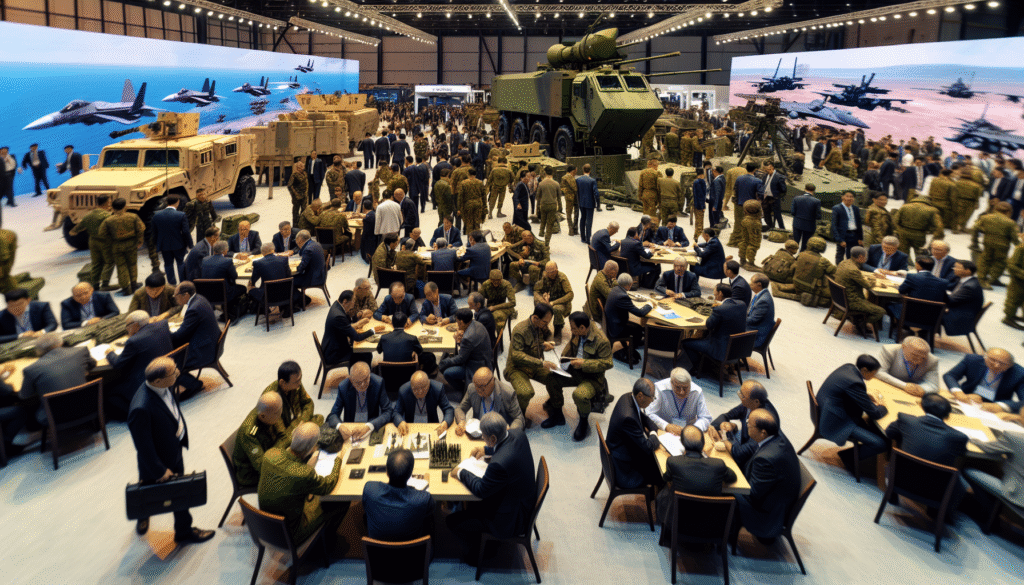
This year’s airshow, taking place from February 20 to 25, has drawn more than 1,000 exhibitors from across the world, including major global defense firms and aerospace companies. The complete omission of Russian defense manufacturers marks a stark contrast to previous editions, where Russian firms traditionally maintained a prominent presence showcasing fighter jets, helicopters, and air defense systems. Their absence reflects a deeper retraction from key international markets and events, driven in part by growing supply chain constraints, diplomatic isolation, and a deteriorating security perception among potential buyers in Asia.
Defense News reports that Russia’s disappearance from the exhibitor list occurred without official explanation, though it comes amid mounting logistical and reputational barriers following heavy sanctions levied by Western nations. These sanctions have not only impeded Russia’s access to critical technologies and components, but they have also dampened demand for Russian defense products from nations wary of both association and potential supply disruptions.
The retreat is symbolic as well as strategic. The Singapore Airshow is widely regarded as a bellwether for regional defense and aviation trends, with many countries in Asia considering big-ticket arms purchases amid growing security tensions. For Russia, Asia has long served as a crucial market, with countries like Vietnam, India, and Indonesia historically accounting for substantial portions of arms sales. Yet in the current climate, even traditional buyers appear to be hedging, diversifying away from Russian systems in favor of Western and indigenous alternatives.
Compounding the issue is Russia’s redirection of its industrial base toward sustaining its military efforts in Ukraine, which has deprioritized the fulfillment of export contracts. Potential clients may be left questioning whether Russia can or will deliver on existing deals, let alone initiate new ones. Several analysts noted that the absence of sellers also means the absence of service and maintenance support, crucial for high-tech defense platforms.
Meanwhile, other defense manufacturers—particularly from the United States, France, and South Korea—have used the opportunity to bolster their visibility and court prospective clients across the Indo-Pacific. As geopolitical competition intensifies in the region, defense partnerships are becoming increasingly strategic. Russia’s inability to participate in such venues diminishes its foothold in shaping those relationships.
According to the Defense News report, this latest development may also point to an emerging realignment of Asia’s defense procurement landscape, where reliability, transparency, and strategic alignment are becoming as important as price and legacy relationships. For Russian arms makers, the absence from Asia’s premier airshow may not simply be a one-off omission but a sign of their growing exclusion from the defense industry’s international core.