Theodore Roosevelt Becomes First Carrier Certified to Operate the MQ-25 Stingray From a Dedicated Control Center
USS Theodore Roosevelt is the first aircraft carrier fitted with a certified drone control center for MQ-25 Stingray tanker operations.
USS Theodore Roosevelt (CVN-71) has become the first aircraft carrier in the United States Navy fitted with a fully certified Unmanned Control System (UCS) facility, a shipboard control center purpose-built to manage flight operations of the Boeing MQ-25 Stingray carrier-based tanker drone, according to The War Zone. The milestone marks a concrete step in the Navy’s effort to integrate unmanned aerial refueling into carrier strike group operations, a capability that has been in development for years and is now beginning to take physical form aboard deployed hulls. The Theodore Roosevelt’s certification represents the program moving from land-based testing toward fleet-ready infrastructure, a transition that carries significant operational implications for carrier aviation range and sortie generation.
The MQ-25 Stingray is designed to extend the combat radius of carrier air wings by offloading the tanking mission from strike fighters, primarily F/A-18E/F Super Hornets, which have long served double duty as organic tankers at the cost of available strike sorties. By dedicating a purpose-built unmanned platform to aerial refueling, the Navy aims to push fighter and electronic-attack aircraft farther from the carrier without sacrificing the number of armed jets available for strike packages. That same shift in operational geometry has driven broader conversations about Pacific war demands on magazine depth and platform endurance, challenges the MQ-25 program is directly intended to address in contested, long-range environments.
What the Control Center Actually Provides
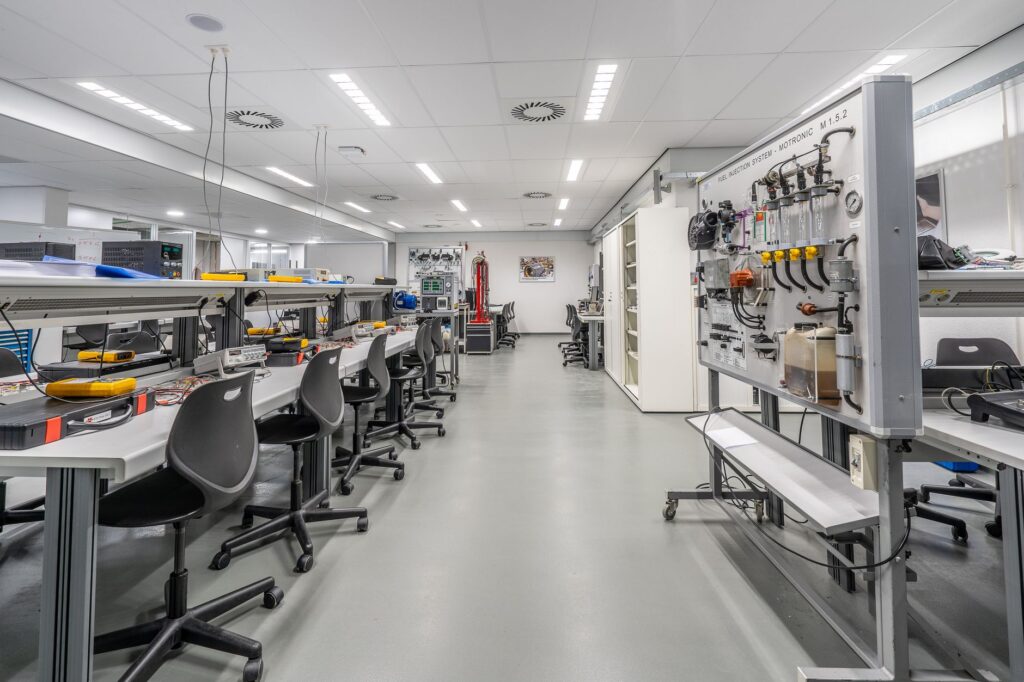
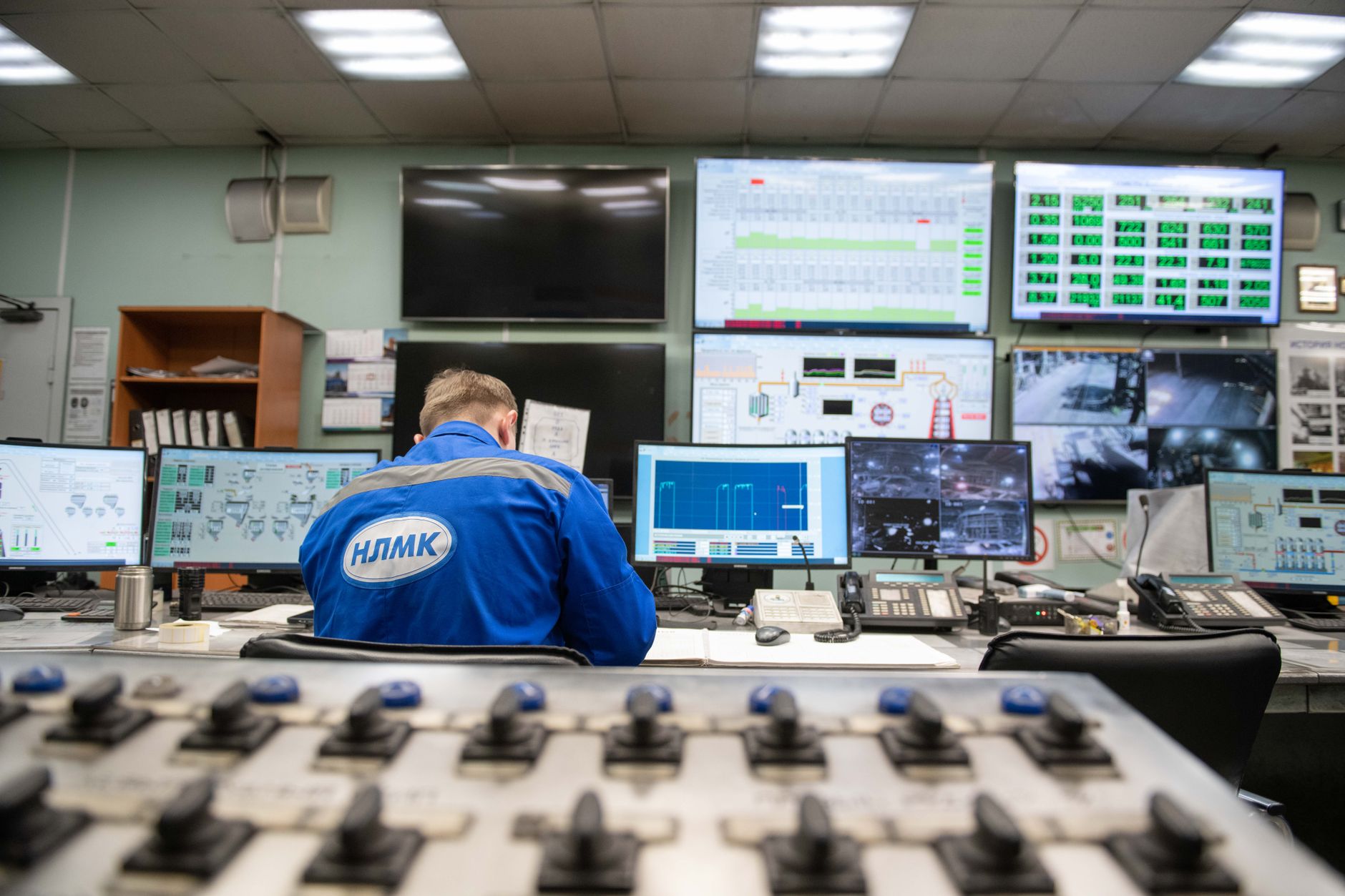
The Unmanned Control System facility installed aboard Theodore Roosevelt is a dedicated compartment from which naval aviators and operators will plan, monitor, and control MQ-25 missions, handling everything from pre-flight system checks through recovery. The War Zone reported that the installation passed certification requirements, though the Navy has not publicly detailed the full technical specifications of the UCS hardware or the number of operator stations it contains. The facility is distinct from the carrier’s existing air operations infrastructure and is designed specifically around the MQ-25’s mission profile and data-link architecture.
The certification does not mean MQ-25 aircraft are yet embarked aboard Theodore Roosevelt for operational missions. The Stingray program is still in development and testing, with Boeing under contract to produce the aircraft and conduct carrier suitability trials. However, having a certified control center aboard a deployed carrier is a prerequisite for future at-sea integration, and Roosevelt’s qualification means the ship is structurally and electronically prepared to receive the platform when the program reaches that threshold. Similar control centers are expected to be installed across the Nimitz and Ford-class carrier fleets as the program matures, though the Navy has not publicly confirmed a retrofit schedule for other hulls.
Program Trajectory and Fleet-Wide Implications
The MQ-25 program has faced recurring schedule pressure since Boeing was awarded the engineering and manufacturing development contract in 2018. Testing has proceeded at MidAmerica St. Louis Airport in Illinois and aboard carriers during dedicated at-sea periods, with the aircraft demonstrating aerial refueling of F/A-18, F-35C, and E-2D platforms in earlier trials. Those refueling demonstrations validated the core concept, but certifying shipboard infrastructure is a separate and parallel line of effort that must keep pace with the aircraft’s own development timeline.
Theodore Roosevelt’s UCS certification also signals how the Navy intends to integrate unmanned systems into carrier operations without wholesale restructuring of existing air wing procedures — building a dedicated control node into the ship rather than grafting drone management onto existing strike planning spaces. That architectural choice has implications for how quickly other carriers can be brought to the same standard. The Navy’s growing emphasis on unmanned teaming, visible across programs from the MQ-25 to experimental autonomous platforms, reflects a broader recognition that human-machine teaming is central to future high-end competition. For observers tracking autonomous aircraft development across the services, Roosevelt’s certification is a practical data point: the infrastructure layer required to field these systems at sea is now being built and validated, not merely planned.