Engineering Failure Left a US Navy Destroyer Adrift in Contested South China Sea Waters for Four Days
USS Benfold suffered an engineering casualty that left the Arleigh Burke destroyer unable to operate under its own power for four days in the South China Sea.
USS Benfold, an Arleigh Burke-class guided-missile destroyer, was left unable to maneuver under its own power for approximately four days in the South China Sea following an engineering casualty, according to USNI News, which first reported the incident. The episode raises immediate questions about fleet readiness in one of the most strategically sensitive and actively contested maritime regions in the world.
The incident involving Benfold is the latest data point in a broader conversation about the operational condition of forward-deployed US Navy surface combatants. Discussions around Taiwan Strait transits have already drawn scrutiny over how the Navy positions and sustains its surface fleet across the Indo-Pacific, and a disabled destroyer sitting in the South China Sea for four days compounds those concerns.
What Happened and Where
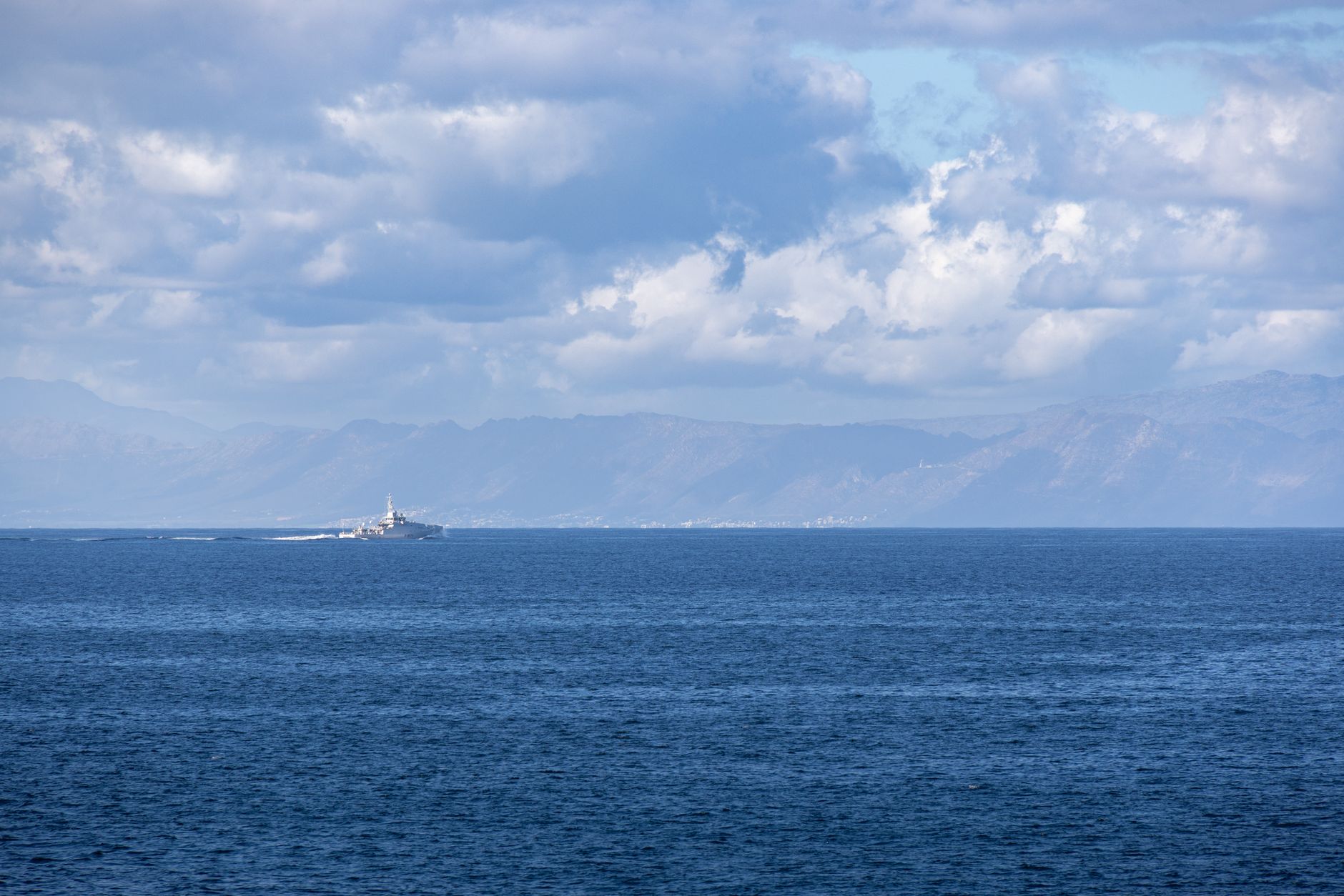
USNI News reported that Benfold experienced an engineering casualty — the naval term for a mechanical or systems failure serious enough to degrade a ship’s ability to operate — that rendered the vessel unable to proceed under its own propulsion. The ship remained in the South China Sea for roughly four days while the issue was addressed. Officials have not publicly confirmed the precise nature of the engineering failure, the specific location within the South China Sea where the casualty occurred, or which, if any, other US or allied vessels were positioned nearby during the period the ship was immobilized.
The South China Sea is among the most operationally demanding environments for US Navy surface ships, given the density of Chinese maritime militia vessels, People’s Liberation Army Navy assets, and the ongoing disputes over maritime features and freedom-of-navigation rights throughout the waterway. A destroyer unable to maneuver is a destroyer unable to execute its core functions — air defense, surface warfare, or rapid repositioning — for the duration of any such casualty.
Readiness Implications for the Surface Fleet
Benfold has had a notably turbulent recent operational history. The ship was previously at the center of reported crew discipline and leadership concerns, issues that received attention within Navy circles. Whether those earlier problems bear any relationship to the engineering casualty described by USNI News has not been established, and officials have not drawn that connection publicly. What is clear is that a four-day immobilization in disputed waters is not a routine maintenance pause.
The Arleigh Burke class forms the backbone of the US Navy’s surface combatant fleet, and maintaining the operational availability of these ships in the Indo-Pacific is central to deterrence strategy in the region. Engineering casualties of extended duration in contested or semi-contested waters carry operational risk that goes beyond the mechanical — they create windows of reduced capability that adversaries can observe and potentially exploit. The Navy has not indicated whether Benfold required external assistance to restore propulsion or whether the crew resolved the casualty independently. Those details, if confirmed, would materially shape the assessment of the incident’s severity and its implications for forward-deployed readiness standards.
Context Within Indo-Pacific Posture
The incident comes as the US Navy faces persistent tension between operational tempo demands across the Indo-Pacific and the material condition of ships conducting those missions. Destroyers like Benfold are routinely called upon for freedom-of-navigation operations, carrier strike group escort, and bilateral exercises with regional partners — a sustained pace that places significant stress on propulsion and engineering systems. The Navy has acknowledged readiness challenges across the surface fleet in various budget and posture documents, though it has not publicly connected those systemic issues to the Benfold incident specifically.
For US strategic planners, an immobilized destroyer in the South China Sea — even temporarily — is a visible signal in a region where presence and maneuverability are themselves instruments of policy. How the Navy chooses to address and communicate the causes of the Benfold casualty will be watched by allies and competitors alike.