Air Force Weighs Reviving C-17 Globemaster III Line as Strategic Airlift Demands Grow
The U.S. Air Force is studying whether restarting C-17 Globemaster III production is feasible as it shapes a long-term strategic airlift plan.
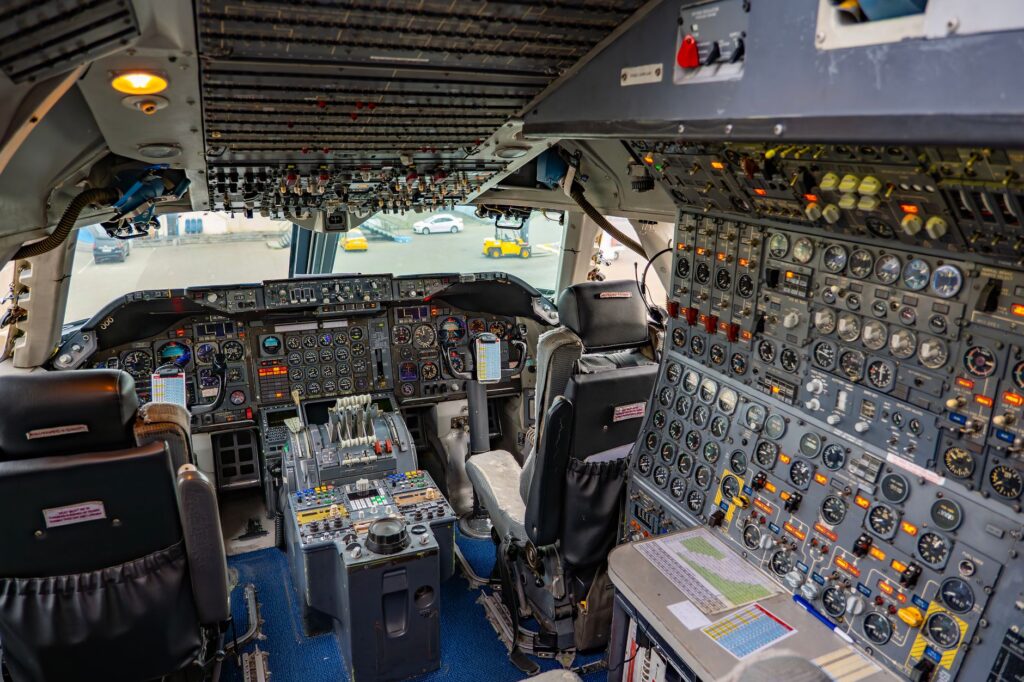
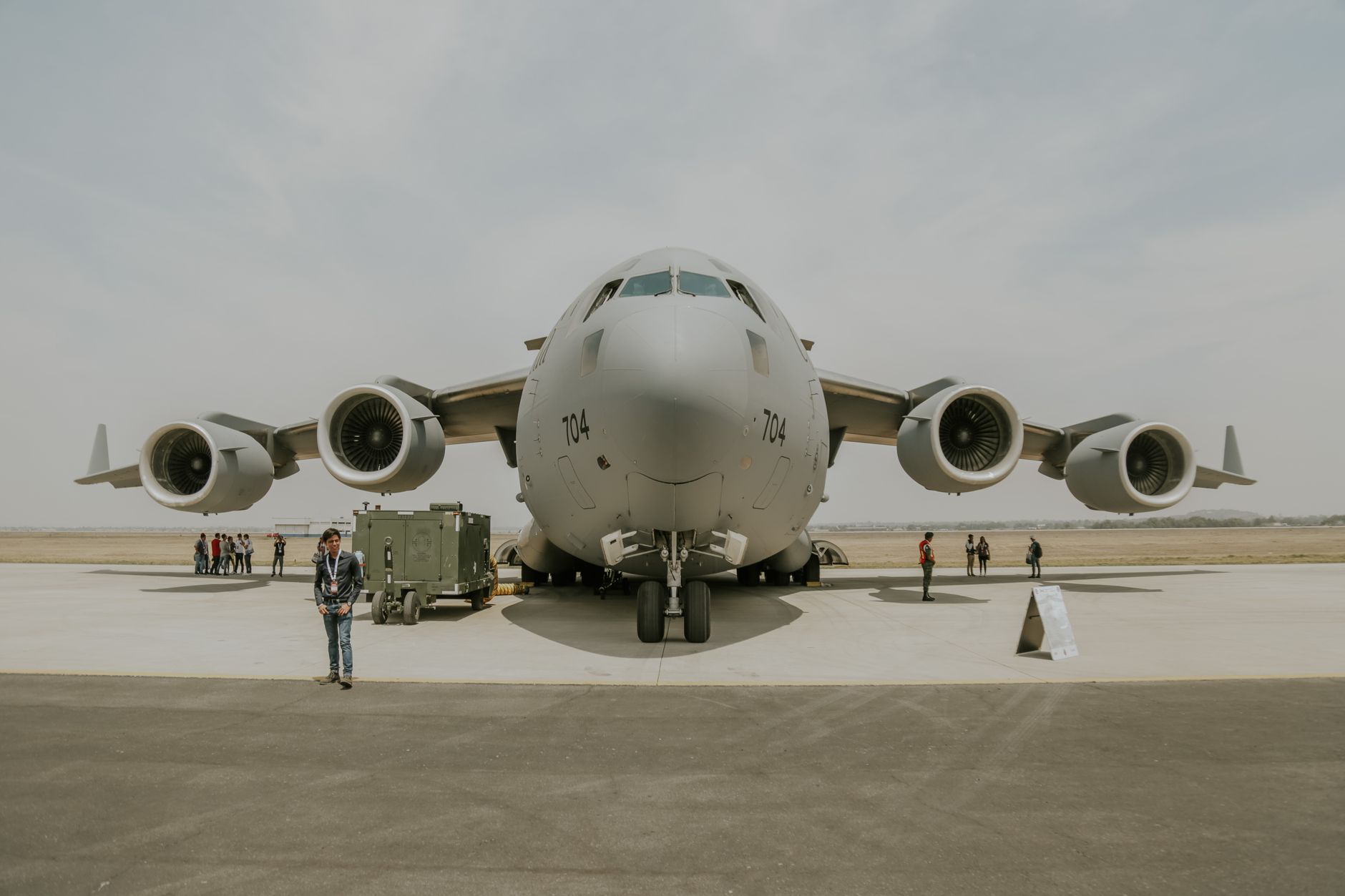
The U.S. Air Force is conducting a feasibility assessment into whether production of the Boeing C-17 Globemaster III strategic airlifter could be restarted, a move that would represent one of the most significant shifts in American airlift policy in decades. The review is part of a broader effort to define the service’s future airlift requirements, according to The War Zone, which first reported the development. The assessment comes as defense planners wrestle with aging fleets, rising peer-competitor threats, and the logistical demands of potential large-scale contingencies — concerns that also extend to munitions reserves and other critical warfighting inventories.
Boeing completed the final C-17 delivery in 2015, closing the Long Beach, California production line after more than two decades of manufacturing. The Air Force currently operates a fleet of 223 C-17s, a number that has remained static while operational demand has continued to climb across combatant commands. Officials have not confirmed a timeline for the feasibility study’s completion or specified which elements of the production infrastructure Boeing retains that could support a restart.
A Fleet Under Pressure
The C-17 remains the backbone of U.S. strategic and theater airlift, capable of operating from austere airfields and delivering outsized cargo directly to forward locations — a combination no current Western alternative fully replicates. The Air Force’s parallel fleets of C-5 Galaxy and C-130 Hercules aircraft address portions of the heavy-lift and tactical airlift missions, respectively, but neither platform duplicates the C-17’s combination of range, payload, and short-field performance.
Sustaining a fleet of more than two hundred aircraft while conducting high operational tempo deployments worldwide places substantial strain on airframes. Air Mobility Command has repeatedly flagged readiness and capacity concerns in recent years, and the service has been working through its future airlift study — sometimes referred to internally as the airlift vision — to determine what mix of platforms and quantities will be necessary through mid-century. A production restart would address fleet attrition over time but would require reconstituting a supply chain that has been dormant for a decade.
Industrial and Strategic Hurdles
Restarting a major aircraft production line after years of dormancy is a well-documented industrial challenge. Tooling, specialized suppliers, and a trained workforce are not easily reconstituted, and costs for low-rate initial production following a restart are typically far higher than steady-state manufacturing. The feasibility study is expected to surface those cost and schedule realities, giving Air Force leadership and Congress a clearer picture of what a restart would actually entail versus sustaining or expanding existing platforms.
The strategic logic behind the assessment is straightforward: if a high-end conflict in the Indo-Pacific or Europe required rapid mass deployment of troops and equipment, the current C-17 fleet could face attrition in contested airspace while simultaneously being called upon to sustain logistics pipelines across vast distances. That operational pressure — combined with concerns about the vulnerability U.S. forces to real-time adversary tracking — is pushing planners to take seriously questions about industrial capacity that were largely set aside during the post-Cold War era. Whether a C-17 line restart is ultimately judged feasible or cost-prohibitive, the fact that the Air Force is formally asking the question signals a meaningful recalibration of how the service thinks about sustaining strategic mobility under conditions of great-power competition.