The Air Force’s Sole Mosquito-Control Squadron Is Stretched Thin, Flying Outdated Aircraft With No Clear Replacement
The Air Force’s only aerial spray unit faces surging mission demand and aging C-130H aircraft with no modernization timeline in sight.
The United States Air Force’s lone aerial spray unit is operating under compounding strain — surging operational demand, a fleet of aging aircraft, and a modernization path that has yet to take concrete shape. As reported by Air Space Forces, the 910th Airlift Wing at Youngstown Air Reserve Station in Ohio stands as the only unit in the entire U.S. military capable of conducting large-scale aerial spray missions, a role that spans mosquito abatement, pesticide dispersal during humanitarian operations, and environmental response. That singular status has made the wing indispensable — and increasingly overextended. With Force budget pressures compounding across commands, the wing’s resource constraints carry broader institutional weight.
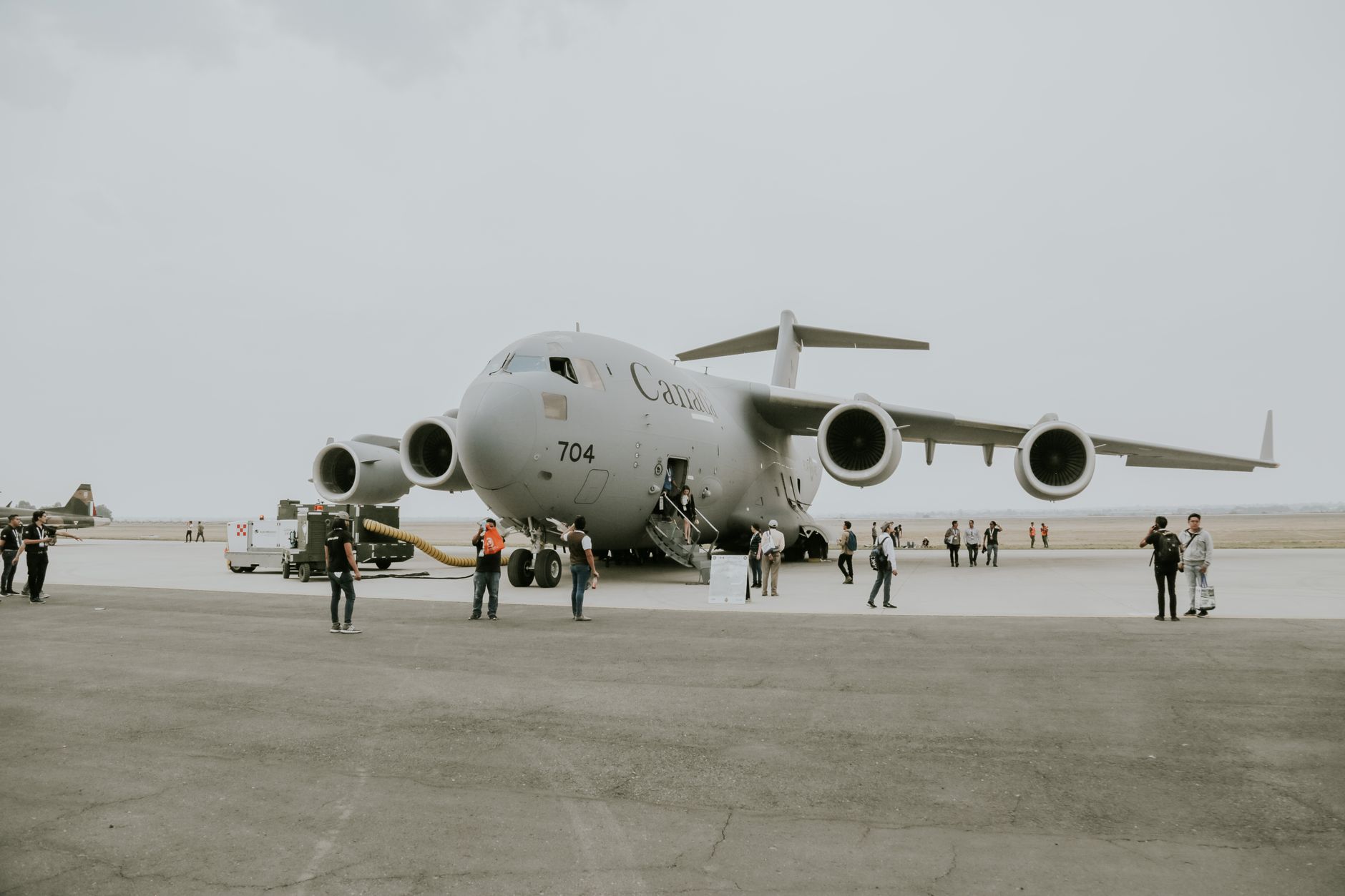
The wing’s aerial spray capability is built around modified C-130H Hercules aircraft fitted with the Modular Aerial Spray System, which allows the aircraft to disperse liquid agents across wide areas at low altitude. The mission set is deceptively broad: the 910th has deployed domestically following hurricanes and other disasters, operated internationally in support of U.S. combatant command requirements, and responded to public health emergencies where ground-based pest control is impractical. That range of taskings, combined with the unit’s one-of-a-kind status, means there is no backup if the 910th is unavailable or its aircraft are grounded.
Aging Airframes, No Clear Successor
The C-130H aircraft at the center of the wing’s spray operations are not young platforms. The Hercules airframe has served the Air Force for decades, and the reserve component variants assigned to the 910th carry the accumulated wear of long service lives. Maintenance demands have grown as the aircraft age, and sourcing parts for older H-model aircraft presents ongoing challenges across the reserve fleet, not just at Youngstown. The spray-modification equipment itself adds complexity — specialized systems that require their own sustainment pipeline alongside standard airframe support.
Despite the operational relevance of the mission, there is no firm public timeline for transitioning the 910th to a newer platform or procuring upgraded spray systems. Air and Space Forces magazine’s reporting makes clear that modernization discussions have not translated into funded programs or contract actions. That gap between recognized need and acquisition follow-through is a recurring pattern across legacy Air Force reserve missions, and the aerial spray role — low-profile by the standards of combat aviation — may struggle to compete for prioritization against higher-visibility recapitalization efforts.
A Single-Point-of-Failure Capability
The strategic vulnerability embedded in concentrating an entire mission capability in a single reserve unit is not lost on defense analysts or, presumably, Air Force planners. If the 910th’s aircraft were simultaneously grounded for maintenance or the unit were unavailable due to concurrent commitments, the U.S. military would have no organic fallback for large-area aerial spray operations. Contracting with civilian aerial applicators is theoretically possible but introduces coordination timelines, certification questions, and availability uncertainties that a standing military unit does not.
Demand signals have not eased. Climate variability has expanded the geographic range and season length of mosquito-borne disease threats, and disaster response requirements have remained high. Combatant commands have continued to request the capability for overseas missions. The 910th continues to meet those requests, but the margin between current capacity and potential demand is narrowing. Until the Air Force commits resources to either modernizing the wing’s aircraft and systems or expanding the capability to a second unit, the 910th will remain what it has long been — irreplaceable, underfunded, and quietly essential. Broader questions about how the service manages Force capability gaps will likely determine whether this mission gets the sustained attention it warrants.