Ukraine’s Long Neptune Cruise Missile Reaches Novorossiysk, Striking Russian Black Sea Fleet Vessels
Ukraine’s extended-range Long Neptune cruise missile struck Russian warships at Novorossiysk, marking a significant escalation in Black Sea naval warfare.
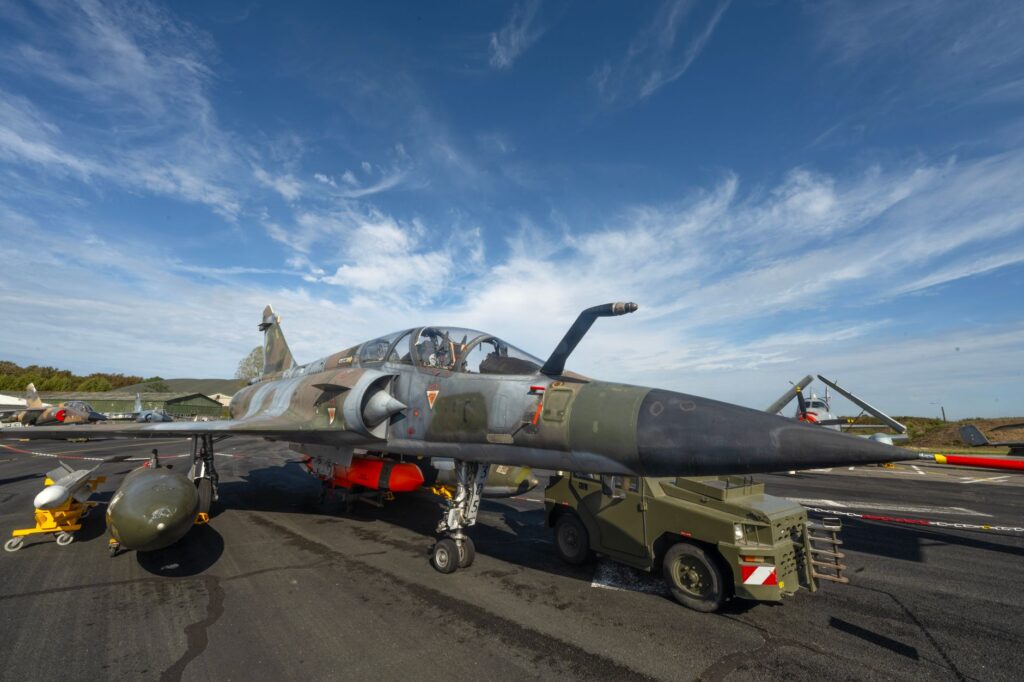
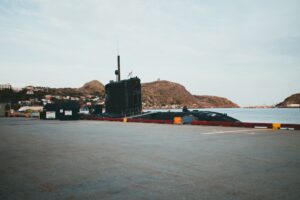
Ukraine’s naval forces carried out a cruise missile strike against Russian Black Sea Fleet vessels at Novorossiysk using the Long Neptune, an extended-range variant of the R-360 Neptune anti-ship missile, according to Naval News. The strike marks the first confirmed operational use of the Long Neptune at extended range and represents a meaningful expansion of Ukraine’s ability to threaten Russian naval assets sheltering in ports well beyond the Crimean coastline. Ukrainian officials did not release a precise damage assessment immediately following the attack.
Ukraine’s Navy publicized the operation through an official statement on its verified account, confirming the strike and identifying Novorossiysk as the target location.
The Long Neptune and Its Extended Reach
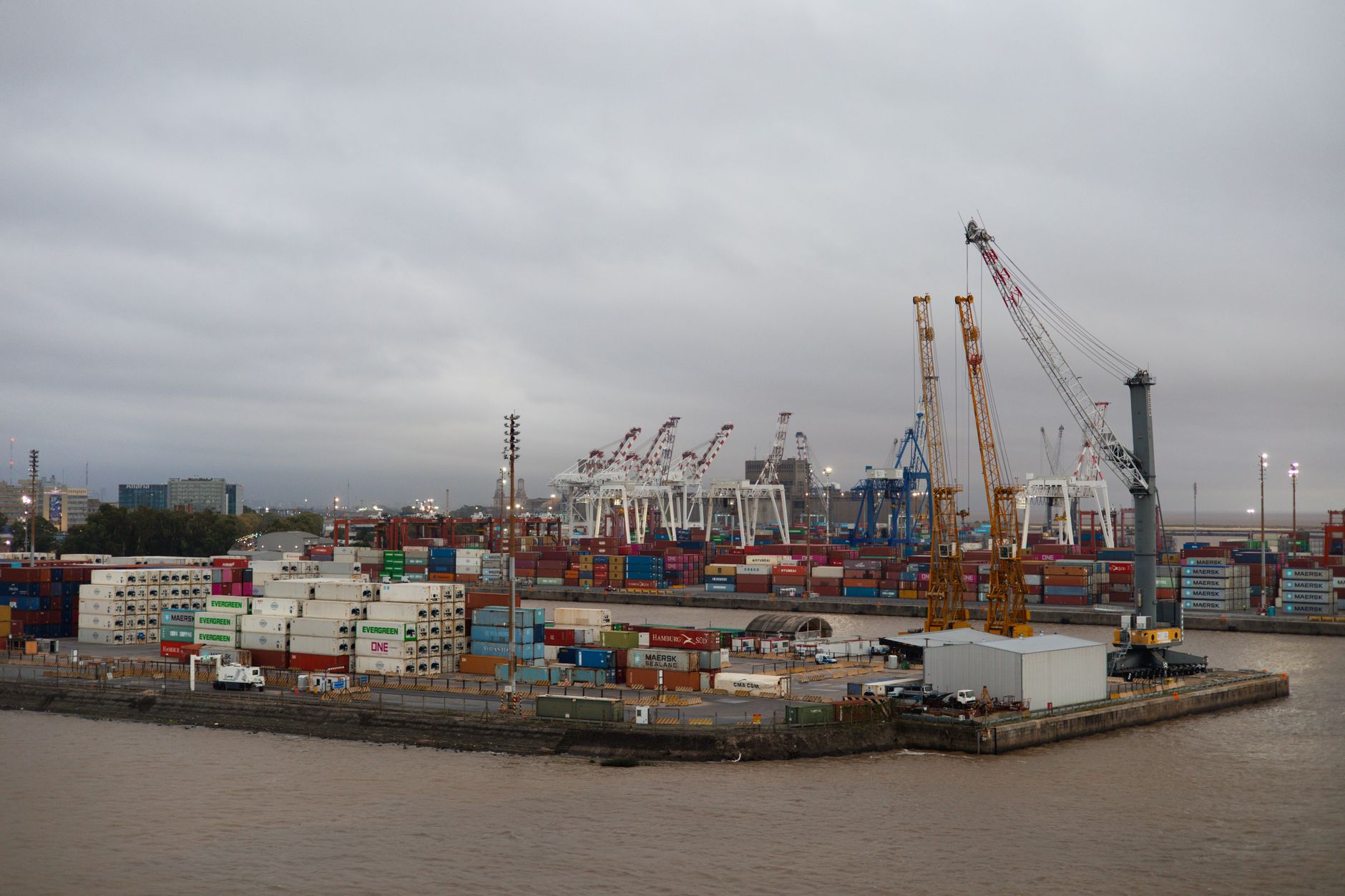
The Long Neptune is a development of Ukraine’s domestically produced R-360 Neptune coastal defense missile, which gained international recognition after Ukrainian forces used it to strike and sink the Russian cruiser Moskva in April 2022. The extended-range variant is designed to significantly increase the missile’s operational radius, though Ukrainian authorities have not publicly disclosed the exact range figure for the Long Neptune. Naval News reported the system as a cruise missile variant capable of striking targets at distances that bring Novorossiysk — situated on Russia’s Krasnodar coast, roughly 500 kilometers from Ukraine’s southern coastline — within practical targeting range.
The significance of that reach cannot be overstated in the context of the Black Sea naval campaign. Russia relocated a substantial portion of its Black Sea Fleet to Novorossiysk after repeated Ukrainian drone and missile strikes degraded its ability to operate safely from Sevastopol. If the Long Neptune can strike vessels there with reliability, Russia loses what had effectively become its last well-protected major naval anchorage in the theater. Officials have not confirmed the number or class of vessels hit in the September strike, nor the extent of damage sustained.
Strategic Implications for Black Sea Naval Balance
Ukraine’s consistent targeting of Russian naval infrastructure has fundamentally altered Black Sea dynamics over the course of the war. The fleet’s surface combatants have been largely driven from forward operating positions, and the threat envelope is now expanding to rear-area ports that Moscow had previously treated as outside credible Ukrainian reach. A operationally proven Long Neptune accelerates that pressure, potentially forcing Russia to either disperse its remaining vessels further — into the Sea of Azov or other constrained waters — or accept elevated risk at Novorossiysk itself.
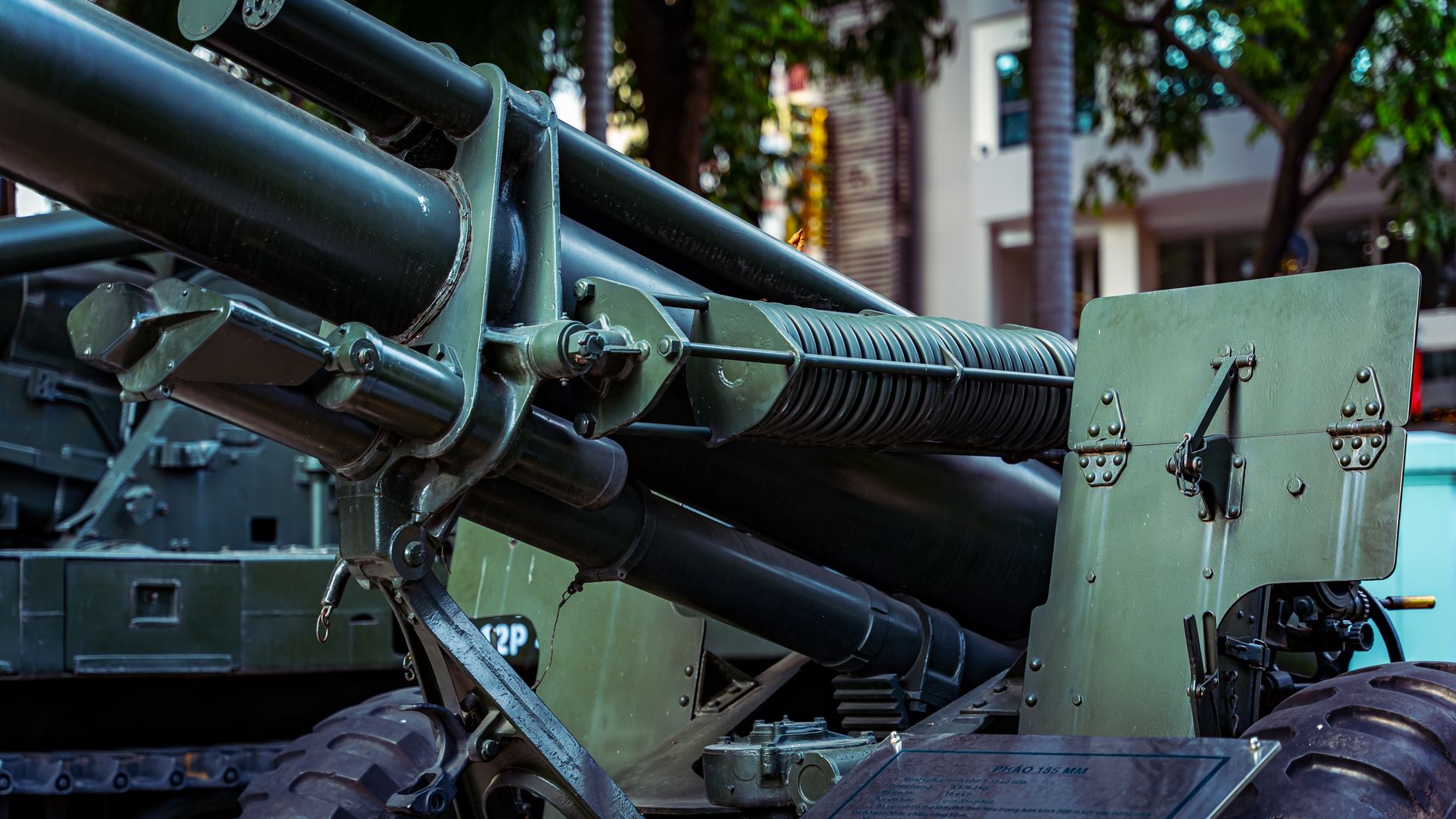
The development also carries industrial and procurement implications. Ukraine has steadily expanded domestic missile production capacity under wartime conditions, prioritizing systems that reduce dependence on foreign-supplied munitions for naval strike missions. How quickly Kyiv can manufacture Long Neptune rounds in sufficient numbers to conduct sustained strikes, rather than episodic ones, will determine whether this capability translates into a durable operational constraint on Russian naval freedom of movement. Great-power observers, particularly those tracking how smaller states are reshaping regional naval balances — a dynamic playing out simultaneously in the Indo-Pacific, as examined in GDD’s coverage of Korea’s fleet expansion — will be watching Kyiv’s production tempo closely in the months ahead.