Army Ground Systems Command Turns to Private Sector as Vehicle Readiness Deteriorates
TACOM is expanding outreach to defense contractors as the Army confronts a deepening readiness crisis across its ground vehicle fleet.

The U.S. Army Tank-Automotive and Armaments Command is intensifying its engagement with private industry as senior officials acknowledge a deepening readiness crisis across the service’s ground vehicle fleet, according to Breaking Defense. The command is looking to contractors to help close maintenance and sustainment gaps that internal Army capacity has been unable to address at the required pace. Concerns over military readiness have surfaced across multiple service branches in recent months, and TACOM’s latest moves signal the Army is treating its ground systems problem with fresh urgency.
Officials have characterized the situation in stark terms, using the phrase “readiness crisis” to describe the state of the vehicle fleet — language that reflects how seriously the command views the gap between current operational availability rates and the levels the Army requires to meet its warfighting commitments. TACOM has not publicly released specific readiness figures, but the command’s decision to accelerate industry outreach suggests the internal assessment is significantly negative.

Structured Outreach, Not Ad Hoc Requests
Rather than pursuing one-off contract modifications, TACOM is planning a more structured series of industry engagements designed to surface solutions across a range of vehicle systems and sustainment challenges. The command has signaled it wants contractors to come prepared with substantive proposals rather than broad capability briefings, reflecting an effort to move quickly from dialogue to actionable agreements. Officials have not confirmed a specific timeline for formal solicitations that may follow these engagements.
The approach mirrors a broader shift in how Army acquisition commands have been managing urgent operational requirements — bringing industry in earlier in the problem-definition phase rather than waiting for fully developed requirements packages. For defense contractors with ground vehicle sustainment portfolios, the engagement cycle represents a near-term opportunity at a time when Army modernization budgets remain under scrutiny on Capitol Hill.
Industrial Capacity and the Sustainment Backlog
The readiness shortfall TACOM is working to address is partly a function of deferred maintenance accumulated over years of high operational tempo and, more recently, accelerated equipment transfers that have reduced inventories available for training and domestic readiness cycles. The command has not specified which vehicle platforms are most severely affected, though TACOM’s portfolio spans the Army’s most critical armored and wheeled systems.
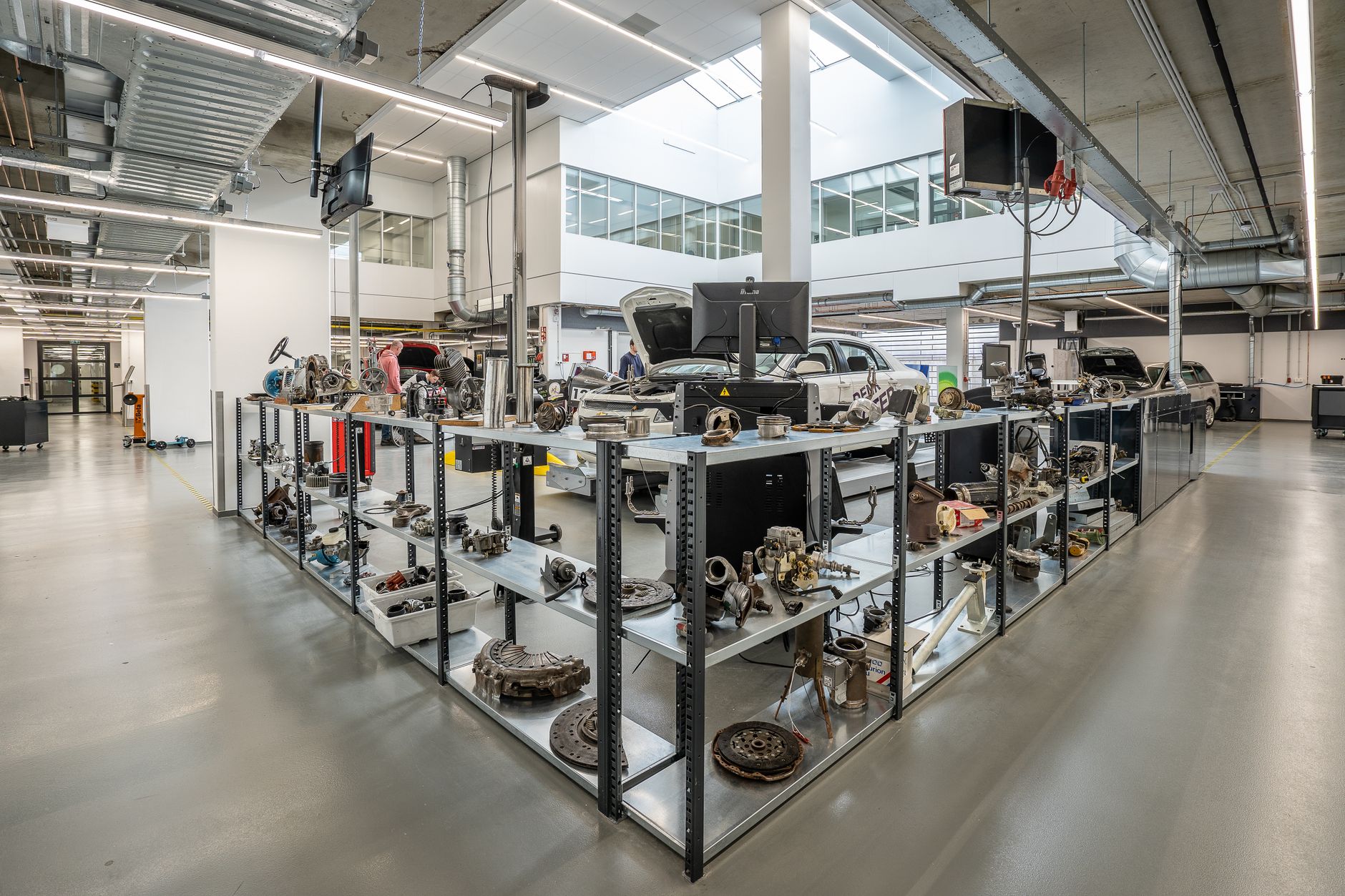
The defense industrial base’s ability to respond at scale is itself a variable the command must account for. Workforce constraints and supply chain pressures have limited how quickly some contractors can surge depot-level repair capacity, a dynamic that has affected sustainment timelines across multiple Army programs in recent years. Whether the planned industry engagements translate into measurably improved readiness rates will depend in part on how rapidly those industrial constraints can be addressed. Separately, broader questions about the Army’s ability to sustain high equipment availability while simultaneously supporting allied partners — a tension that has emerged clearly amid ongoing conflict in Ukraine — add further complexity to TACOM’s near-term calculus.