SPACECOM Pushes to Expand Ground-Station Networks While Targeting Enemy Infrastructure in Orbit
US Space Command wants more distributed ground stations at home while developing options to counter adversary satellite ground infrastructure abroad.

U.S. Space Command is pursuing a dual-track strategy: spreading its own ground-based satellite control infrastructure across more locations to reduce vulnerability, while simultaneously developing the capability to find and counter adversarial ground stations that support rival space systems. The command’s posture, detailed by Space Forces Magazine, reflects a growing recognition that the ground segment is as consequential a battlefield as the orbital one — and that concentrating control nodes is a liability the United States can no longer afford.
The logic mirrors broader discussions about geopolitical pressure reshaping critical technology infrastructure: dependency on centralized nodes, whether data centers or satellite ground stations, creates single points of failure that adversaries can exploit. SPACECOM’s answer is deliberate geographic dispersion — moving away from a handful of large, known installations toward a wider constellation of smaller, harder-to-target sites.
The Case for Distributed Ground Architecture
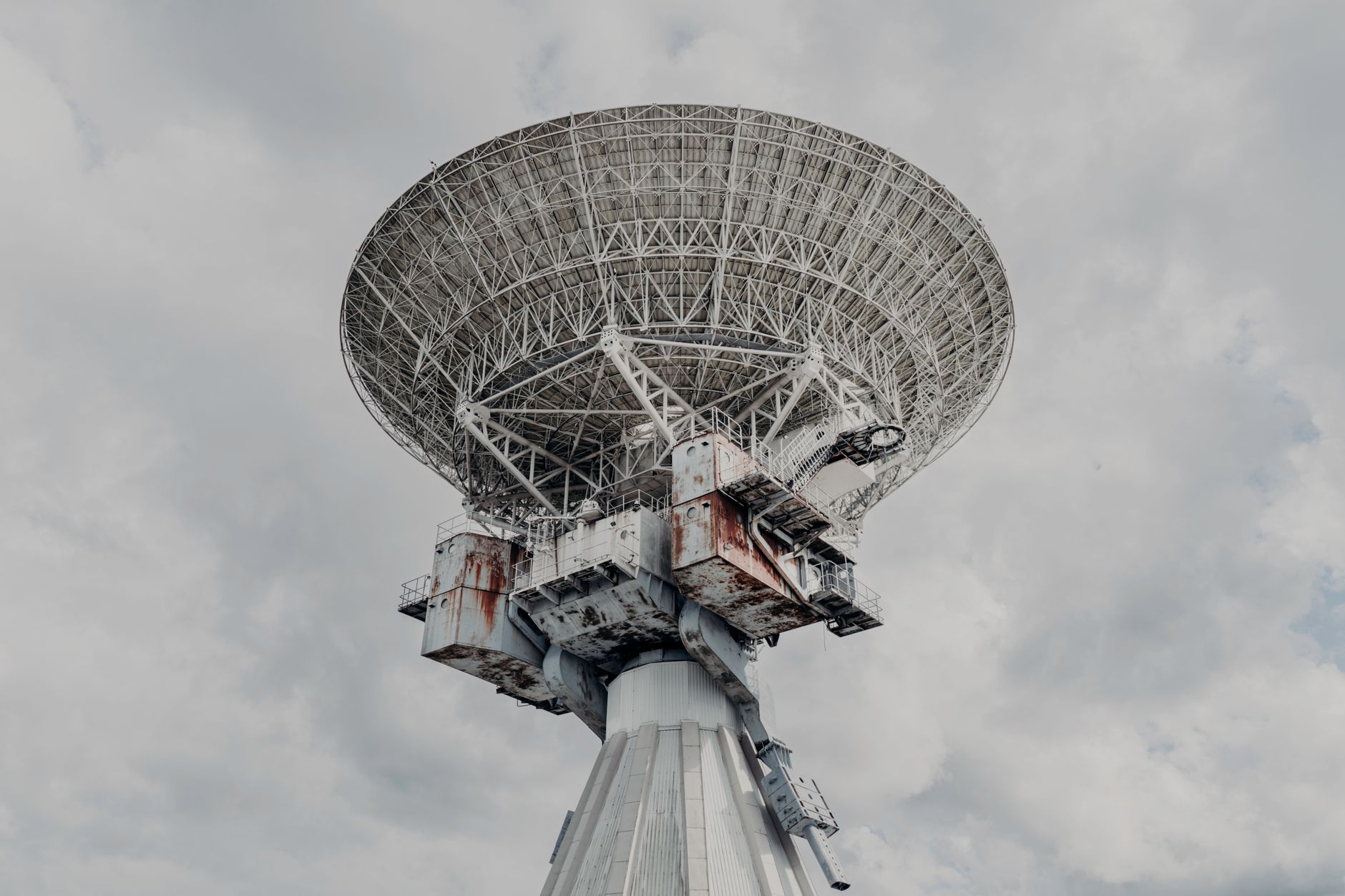
SPACECOM officials have described the goal as making the ground segment more resilient by ensuring that the loss of any one facility would not critically degrade command and control of U.S. satellite constellations. The current architecture, built around established major installations, presents a target set that peer adversaries have had decades to map and plan against. Proliferating ground stations — potentially including sites on allied territory — would complicate adversary targeting calculus and preserve mission continuity under a degraded or contested scenario.
The push also reflects an operational lesson drawn from watching how China and Russia have invested in counter-space capabilities. Both nations have developed systems — including directed-energy weapons, jamming equipment, and co-orbital platforms — specifically designed to hold U.S. space assets at risk. A more distributed ground architecture would mean that even successful attacks on specific nodes leave the broader network functional, denying adversaries the clean, decisive strikes they might otherwise achieve against concentrated infrastructure.
Countering Adversary Ground Segments
The second prong of SPACECOM’s strategy is less publicly detailed but strategically significant: developing options to locate, characterize, and, when directed, counter the ground stations that rival nations use to command and control their own satellite constellations. Officials have framed this as a legitimate military target set — adversary ground infrastructure that enables anti-satellite weapons, electronic warfare satellites, and intelligence-gathering platforms directed at U.S. and allied forces.

The concept positions ground stations not merely as support infrastructure but as warfighting nodes whose neutralization could degrade an adversary’s ability to employ space-based capabilities against U.S. forces. This aligns with broader joint-force thinking about attacking an adversary’s kill chain at the most vulnerable point — and for space-enabled threats, the ground segment often represents a more accessible target than the satellites themselves. Officials have not publicly confirmed specific systems, timelines, or operational concepts for counter-ground-station missions, and the command has been careful to frame the capability development in terms of options rather than declared doctrine.
The dual emphasis — hardening U.S. infrastructure while holding adversary infrastructure at risk — signals that SPACECOM views space competition increasingly through the same deterrence framework applied to other domains. The ability to impose costs on an opponent’s ground segment, even if never exercised, changes the strategic calculus for nations considering offensive space operations against U.S. assets. How quickly the command can translate that concept into fielded, credible capability will be a defining question for U.S. space posture in the years ahead.