SOUTHCOM’s New Standing Cartel Task Force Pulls Air Force Into a Broader Counter-Narcotics Mission
SOUTHCOM’s permanent Joint Task Force will expand Air Force counter-narcotics operations targeting transnational criminal organizations.
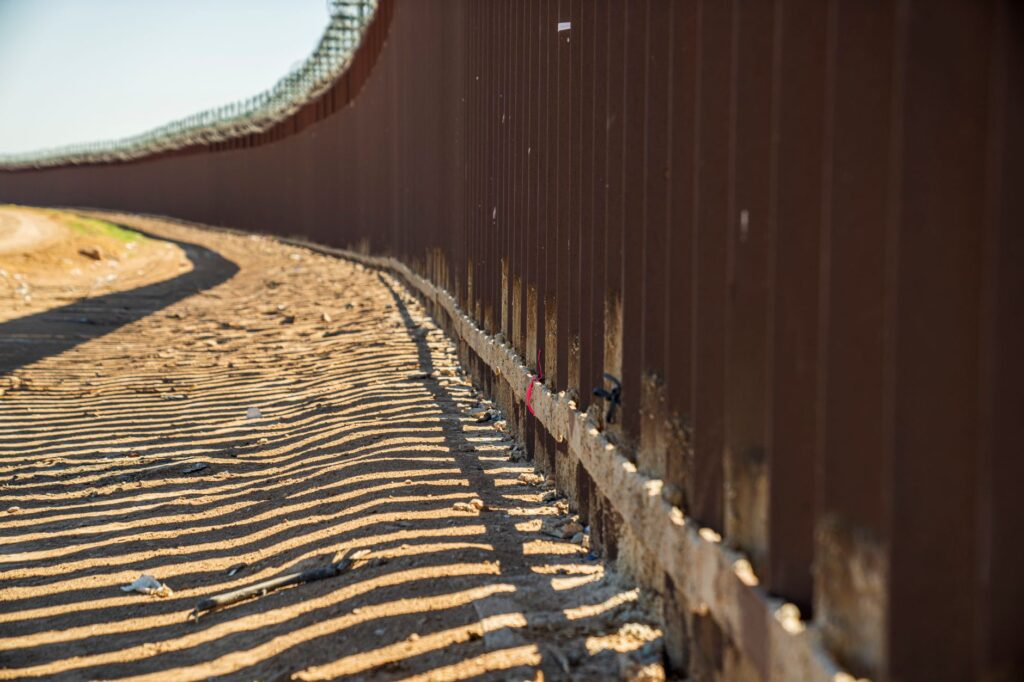
U.S. Southern Command has formalized a permanent Joint Task Force dedicated to countering transnational criminal organizations, a structural shift that will meaningfully expand the Air Force’s role in counter-narcotics and counter-cartel operations across the Western Hemisphere. The new standing task force follows months of elevated administration pressure to treat drug-trafficking networks as national-security threats on par with state adversaries — and it carries significant implications for how airpower is organized and applied in the region. As GDD previously reported, the Hemisphere task force represented an early step in this escalating posture; the permanent structure announced this week marks a more durable institutional commitment.
SOUTHCOM confirmed the development in an official announcement posted to its social media channels, formally designating the task force and outlining its counter-narcotics mandate.

A Permanent Structure With Expanded Airpower Requirements
According to Air and Space Forces Magazine, which first reported the details in an article titled “New SOUTHCOM Permanent Cartel Task Force Will Expand Air Force Role,” the task force is designed to persist beyond the temporary or rotational arrangements that have historically characterized SOUTHCOM’s counter-narcotics efforts. That permanence matters operationally: standing task forces generate sustained requirements for intelligence, surveillance, and reconnaissance assets, airlift, and command-and-control platforms — precisely the mission sets where the Air Force carries the most weight.
The Air Force’s expanded role is expected to include increased contributions of ISR aircraft and associated personnel, though officials have not confirmed specific platform assignments or force-size figures. SOUTHCOM has long relied on Air Force assets — particularly airborne surveillance platforms — to monitor trafficking corridors across the Caribbean, the Eastern Pacific, and Central America, but the new structure is intended to make those contributions more integrated and sustained rather than episodic.
Strategic Context: Cartels as a National-Security Priority
The formalization of the task force reflects a broader policy posture that has accelerated under the current administration, which has pushed the Defense Department to treat transnational criminal organizations — particularly Mexican cartels — with the same institutional seriousness applied to near-peer threats. Several cartels have already been designated as foreign terrorist organizations, a legal classification that widens the tools available to both law enforcement and the military. The permanent task force institutionalizes that elevated threat framing within SOUTHCOM’s command structure.

The Air Force has been simultaneously investing in autonomous and unmanned capabilities relevant to this mission space — a technology direction tracked by Space Forces Magazine across multiple programs. Persistent surveillance over vast oceanic and jungle transit corridors is a resource-intensive problem, and the service’s ability to field unmanned ISR platforms at scale could prove as consequential to the counter-cartel mission as any doctrinal change. For context on the broader expansion of autonomous Air Force platforms, GDD’s earlier coverage of Valkyrie production illustrates the pace at which the service is scaling relevant unmanned systems.
Officials have not confirmed a timeline for the task force reaching full operational capability, nor have they specified the command relationships between the new joint structure and existing SOUTHCOM components. What is clear is that the move signals a long-term institutional commitment — one that will shape Air Force manning, basing, and acquisition priorities in the region for years to come.