Singapore Puts French-Made Mine-Hunting AUVs Into Operational Service With Its Navy
The Republic of Singapore Navy has fielded RTsys COMET-MCM autonomous underwater vehicles for mine countermeasures operations.
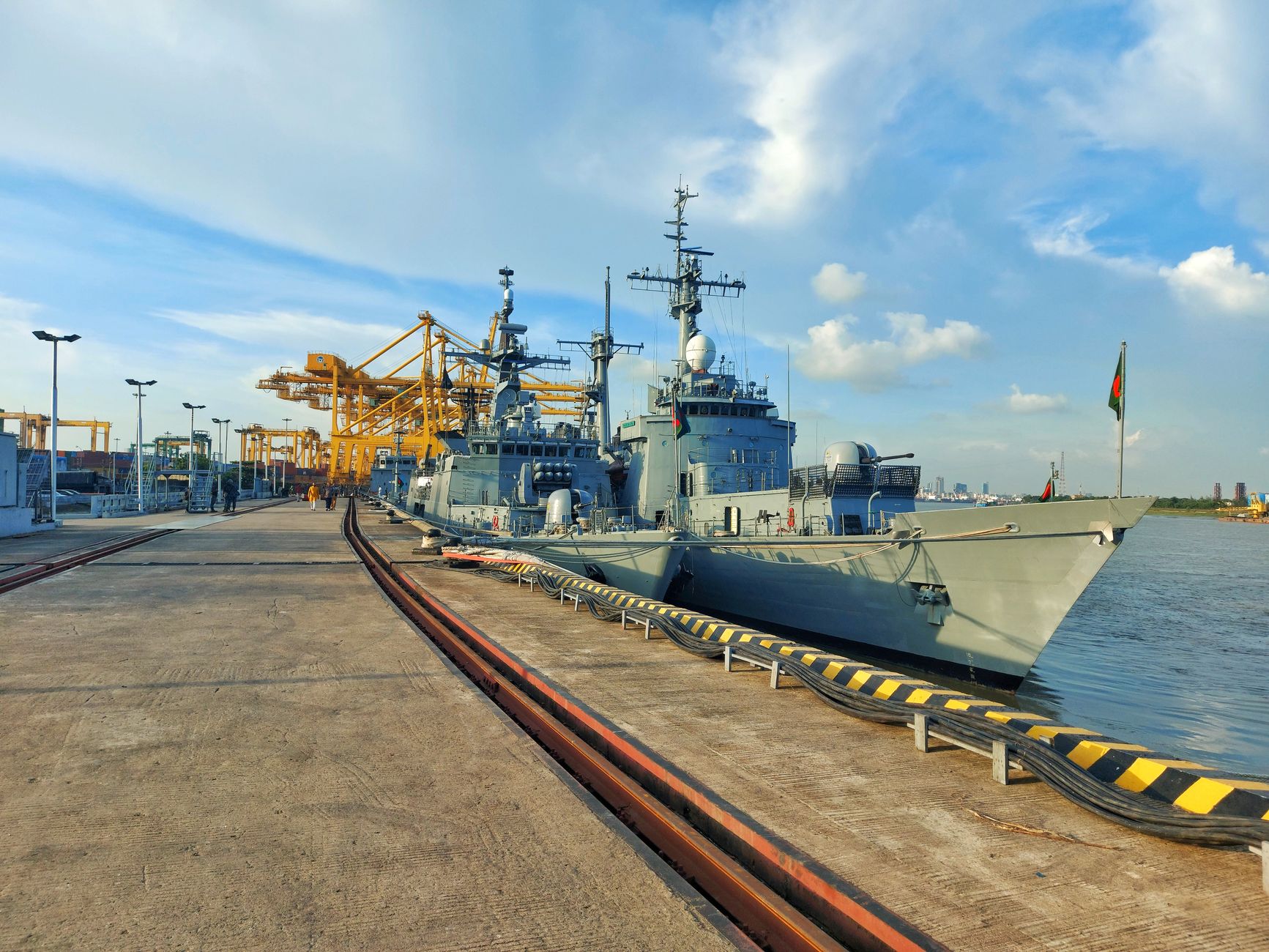
The Republic of Singapore Navy has formally deployed COMET-MCM autonomous underwater vehicles developed by French company RTsys, marking a significant step in the city-state’s effort to modernize its mine countermeasures capability with unmanned systems. The deployment, reported by Naval News, positions Singapore among a growing number of Indo-Pacific navies integrating AUV technology into their mine warfare toolkits. The move reflects broader regional interest in replacing or augmenting crewed minesweeping platforms with systems that keep sailors at a greater distance from ordnance.
Mine countermeasures have long been one of the most dangerous and technically demanding tasks in naval operations, requiring vessels and personnel to operate close to explosive hazards in confined, often shallow-water environments. Autonomous underwater vehicles reduce that risk by executing detection and classification missions without a crew aboard. The development also carries strategic weight given Singapore’s position at the Strait of Malacca, one of the world’s busiest and most strategically sensitive maritime chokepoints, where any disruption to navigation would have immediate global trade consequences. Navies operating in contested littoral zones have increasingly prioritized autonomous maritime teaming concepts precisely to manage these risks at scale.
COMET-MCM System and Operational Role
The COMET-MCM is a compact, man-portable AUV designed specifically for mine detection and classification in littoral environments. According to Naval News, the system is capable of operating in shallow water and can be deployed from small boats or larger vessels, offering flexibility suited to the confined waters around Singapore and the broader regional maritime geography. The vehicle carries sensors optimized for identifying mine-like objects on the seabed, feeding data back to operators who can then direct follow-on action without placing divers or crewed platforms at immediate risk.
RTsys, the Brittany-based developer behind the system, has positioned the COMET-MCM as a cost-effective solution for navies that require capable mine hunting without the operational burden of full-size dedicated minesweepers. The Singapore Navy’s decision to field the platform operationally — rather than simply evaluate it in trials — indicates the system met the service’s requirements for reliability and mission utility. Officials have not publicly confirmed the number of units procured or detailed the specific unit within the Republic of Singapore Navy that will operate the vehicles.
Indo-Pacific Context and Strategic Implications
Singapore’s adoption of the COMET-MCM fits a wider pattern across the Indo-Pacific, where navies are accelerating investments in unmanned maritime systems as both great-power competition intensifies and defense budgets face competing demands. The Strait of Malacca processes an enormous share of global seaborne trade, and the ability to rapidly clear or survey waters for mines is operationally critical to any effort to keep those lanes open under pressure. A credible mine countermeasures capability also serves a deterrent function, complicating any adversary’s calculus about using mining as a coercive or denial tool.

The deployment also underscores the continued relevance of European defense firms in Indo-Pacific naval procurement, with RTsys securing a foothold in a region where American and regional suppliers dominate many platform categories. For Singapore, sourcing from a French specialist rather than a domestic or American vendor reflects the city-state’s longstanding approach of diversifying its defense-industrial partnerships. The broader U.S. carrier presence in the region — covered in GDD’s reporting on carrier fleet deployments — provides additional context for why allied and partner navies across the Indo-Pacific are tightening their own operational capabilities in parallel. Officials have not disclosed whether the COMET-MCM acquisition is part of a broader unmanned systems modernization program or a standalone procurement.