Senate Proposes Giving Only a Quarter of Requested Funds for ARRW Increment 2 Missile
Senate appropriators’ draft bill would provide the Air Force about 75% less than requested for ARRW Increment 2.
The Senate committee labeled the Air Force’s $296.269 million request for ARRW Increment 2 as “early to need,” cutting $222.188 million from the ask. A similar 75% reduction was imposed on a related air-launched ballistic missile (ALBM) effort, for which the Air Force had requested $49.5 million.
More from Global Defense Digest: IAI Advanced Negotiations.
The precise impact these funding reductions will have on the Air Force’s plans remains unclear, as the timeline for awarding the initial contract for ARRW Increment 2 and the ALBM program remains in question. Budget documents had indicated that technology work for Increment 2, including design studies, hardware upgrades, and affordability initiatives, would begin as soon as January, with a new program office and test asset development for ALBM following in March.
ARRW Program Production Proceeds Despite Setbacks
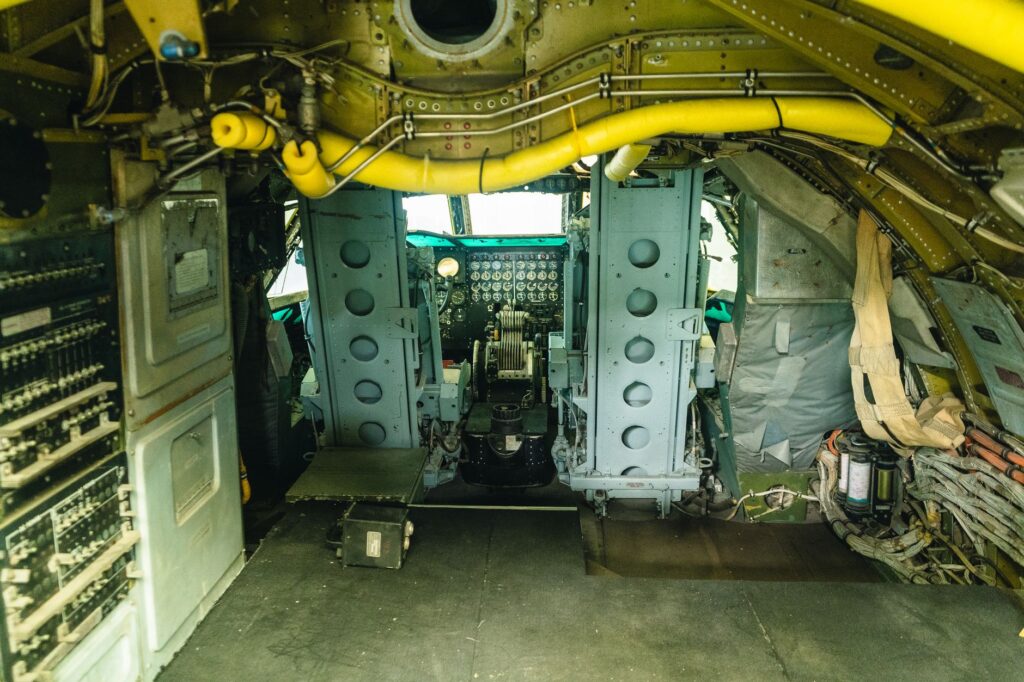
Despite developmental turbulence and an earlier attempt to cancel the program, the Air Force is moving forward with baseline ARRW production. In October, a $694 million contract was awarded to prime contractor Lockheed Martin for the missile, which is set to be fielded on B-52 and B-1 bombers. This production milestone comes after a period marked by test failures and official consideration of terminating ARRW in favor of the Hypersonic Attack Cruise Missile (HACM)—a distinctly different hypersonic cruise missile using an air-breathing engine instead of a rocket-boosted glide vehicle.

Recent developments underscore persistent challenges in operationalizing U.S. hypersonic weapons.
Senior U.S. military officials continue to emphasize the importance of hypersonic weapons for potential conflicts that would require rapid, long-range anti-ship capabilities, particularly in the context of the Pacific and an expanding Chinese naval fleet. The War Zone notes that similar capabilities are being actively pursued by the People’s Liberation Army, which has developed a variety of hypersonic and air-launched ballistic missile systems believed to be suitable for both land and maritime targets.
Source: TWZ report.