U.S. Navy Plans to Nearly Double Its Nuclear Command Aircraft Fleet With E-130J Conversions
The Navy is set to expand its airborne nuclear command fleet with new E-130J aircraft, nearly doubling current capacity.

The U.S. Navy is moving to significantly expand its fleet of airborne nuclear command-and-control aircraft, with plans to field a new variant based on the Lockheed Martin C-130J Super Hercules that would nearly double the number of platforms available for the mission. The development, first reported by The War Zone, marks one of the more consequential upgrades to the Navy’s strategic communication architecture in recent decades. The expansion comes as the Pentagon faces mounting pressure to modernize nuclear command, control, and communications — known as NC3 — infrastructure across all legs of the triad. The move also intersects with broader U.S. efforts to harden survivable communication links, an area drawing renewed attention given Russian submarine activity and China’s growing nuclear arsenal.
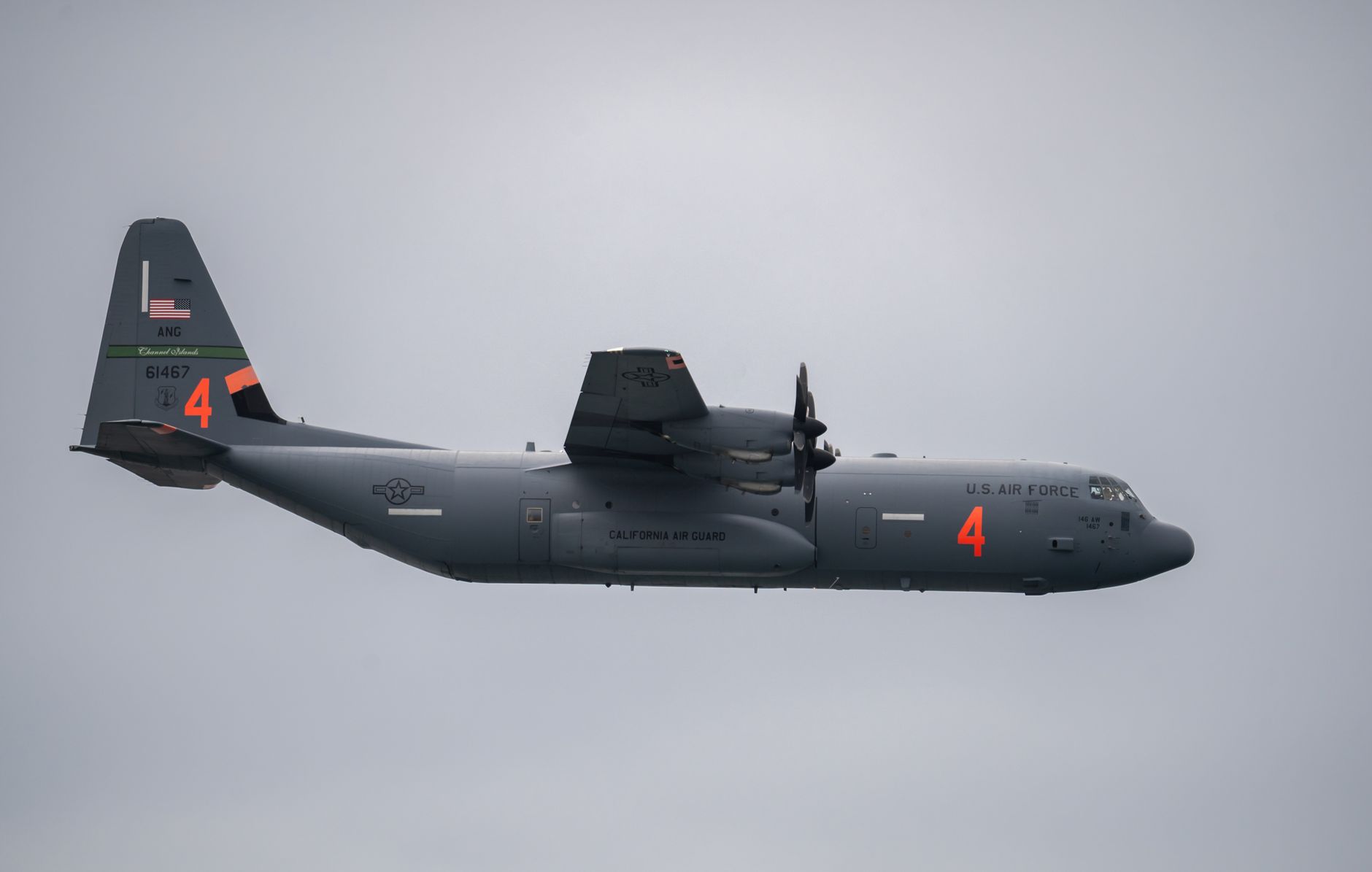
From E-6B Mercury to E-130J: A New Platform for an Old Mission
The Navy currently relies on the Boeing E-6B Mercury to fulfill its airborne NC3 role, a fleet that serves the dual function of communicating with ballistic missile submarines and acting as an airborne command post for strategic forces. The E-6B fleet is aging, and the service has been studying replacement options for some time. According to The War Zone’s reporting, the E-130J designation points to a conversion of the C-130J airframe — a modern, in-production turboprop widely operated by U.S. and allied military forces — into a specialized command-and-control platform suited for the TACAMO mission, an acronym standing for Take Charge and Move Out.
The choice of the C-130J as a baseline offers logistical advantages the aging E-6B cannot match. The Super Hercules benefits from an active production line, an established global support network, and a broad operator base that simplifies sustainment. While officials have not publicly confirmed all technical specifications for the E-130J variant, The War Zone reported that the new aircraft would be equipped with the communications systems necessary to perform the Navy’s strategic relay mission, including very low frequency trailing wire antenna capability used to reach submerged submarines at depth.
Fleet Size, Strategic Rationale, and Industrial Implications
The scale of the planned expansion is notable. The War Zone reported that the E-130J program would bring the Navy’s doomsday plane fleet to a size nearly double what the E-6B force currently represents, substantially increasing the number of airframes available to maintain continuous airborne alert or surge capacity during a crisis. A larger fleet also provides greater geographic redundancy, allowing the Navy to station aircraft across multiple bases without concentrating the mission in a small number of highly visible and potentially targetable platforms.

The industrial dimension of the program is equally significant. Selecting a platform still in active production — rather than a clean-sheet design or a modification of another legacy airframe — compresses the development timeline and reduces integration risk. Lockheed Martin’s C-130J line has demonstrated sustained production capacity, and the government’s existing relationships with the manufacturer and its suppliers could help the Navy avoid the delays that have complicated other specialized aircraft programs. The War Zone noted that specific contract details and a formal program timeline had not been fully disclosed at the time of reporting, meaning the acquisition path and cost figures remain subjects the Pentagon has not publicly confirmed in full.
The E-130J initiative fits within a wider pattern of NC3 modernization that defense planners have flagged as overdue. Survivable communication with strategic forces — particularly submarines carrying submarine-launched ballistic missiles — is a foundational requirement for credible nuclear deterrence. Expanding the airborne segment of that architecture, rather than relying solely on ground-based or satellite relay systems that are increasingly vulnerable to adversary counterspace and cyberattack capabilities, reflects a deliberate hedge against degraded operating environments. Officials have not confirmed a fielding date or total program cost.